Why cherry blossoms matter so much in Japan
Contents:
- What’s Behind Japan’s Obsession with Cherry Blossoms? (Direct Answer)
- The Deep Roots of the Sakura Tradition
- Poetry and the Art of Impermanence
- Hanami: The Collective Celebration of Ephemeral Beauty
- A National Ritual with Personal Meaning
- Why Do Cherry Blossoms Mean So Much to Japanese People?
- Cherry Blossoms as a Symbol of Life’s Fleeting Nature
- Communal Connection and Ceremony
- Comparing Flowers: Cherry Blossoms vs. Other National Symbols
- Cherry Blossoms in Modern Japanese Life
- Sakura in Food, Fashion, and Pop Culture
- Tourism and the Global Craze
- How Cherry Blossoms Shape the Japanese Year
- School and Business Calendars
- Sakura Forecasts and the National Mood
- Can Americans Experience Hanami at Home?
- Where to See Cherry Blossoms in the US
- FAQ: Cherry Blossoms in Japan
- How long do cherry blossoms bloom in Japan?
- Why are cherry blossoms considered a symbol of life’s transience?
- Can I see sakura in the U.S.?
- What’s the difference between cherry blossoms and plum blossoms?
- Do cherry blossom trees produce edible cherries?
- Looking Forward: Bringing Hanami Home
Why Cherry Blossoms Matter So Much in Japan
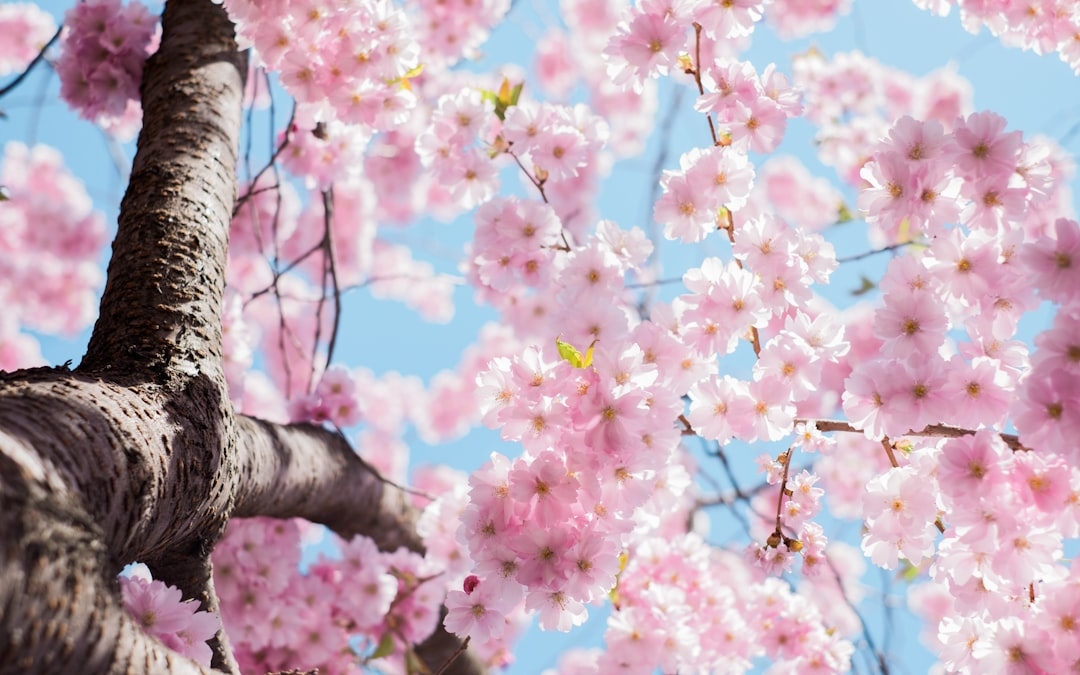
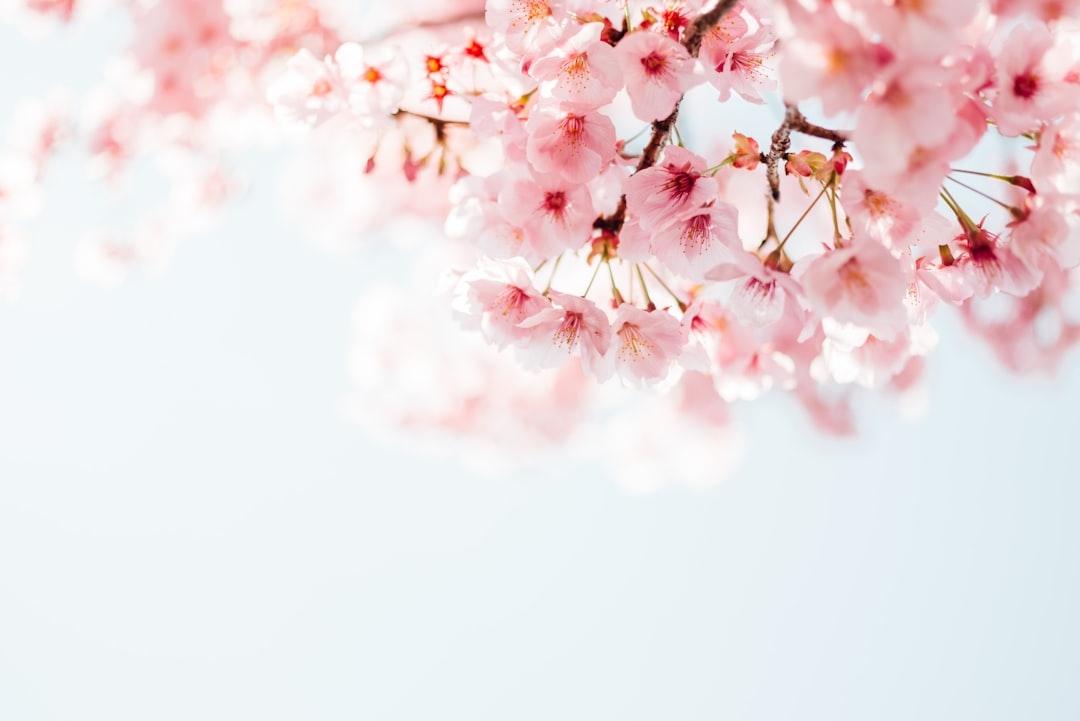
On certain mornings in Tokyo, parks fill with people bundled in cozy scarves, gazing up at branches bursting with frothy pink blooms. Newspapers print daily “sakura forecasts.” Major food brands–from Starbucks to KitKat–roll out their annual cherry blossom flavors and packaging. Despite centuries of change, one thing hasn’t budged: the cultural primacy of cherry blossoms, or sakura, in Japanese life.
What’s Behind Japan’s Obsession with Cherry Blossoms? (Direct Answer)
Cherry blossoms matter deeply in Japan because they symbolize the fleeting nature of life, renewal, and collective joy. For over 1,000 years, Japanese people have celebrated hanami–the custom of gathering under blooming cherry trees to appreciate their brief, ethereal beauty. This shared experience unites families, friends, and strangers alike each spring, making cherry blossoms a national symbol of hope, transience, and cultural identity.
The Deep Roots of the Sakura Tradition
Centuries before smartphones and convenience stores, Japanese poets wrote about cherry blossoms falling like soft rain. The earliest hanami parties date back to the 800s, when Emperor Saga invited courtiers to write poetry beneath blooming sakura trees. These gatherings weren’t mere picnics–they were a way to reflect on impermanence, a philosophy known as mono no aware.
Poetry and the Art of Impermanence
Japanese writers from the Heian period (794-1185) filled their diaries and haiku with cherry blossoms. Bashō, the 17th-century poet, wrote:
“Clouds of cherry blossom–
is that all they are? Or
is there more?”
In other words, sakura weren’t just pretty–they were a canvas for thinking about how beauty is fleeting.
Hanami: The Collective Celebration of Ephemeral Beauty
Every spring, Japanese cities transform. Schools, companies, and neighbors plan hanami (flower-viewing) parties, staking out prime picnic spots days in advance. According to the Japan Meteorological Corporation, over 63% of Tokyo’s residents attended at least one hanami event during sakura peak bloom in 2024.
A National Ritual with Personal Meaning
Here’s what a typical hanami day looks like:
- Blue tarps unfurled before dawn to reserve space
- Bento boxes filled with sakura-themed sweets and sushi
- Friends playing music, children chasing petals, office workers toasting with cans of Asahi
- Selfies against a swirl of pink and white
Hanami blends centuries-old poetry with 21st-century socializing, turning public parks into living museums–except the exhibits only last a week.
Why Do Cherry Blossoms Mean So Much to Japanese People?
Japan’s relationship with sakura is not just nostalgic or aesthetic. There are deeper social and philosophical reasons why cherry blossoms matter so much.
Cherry Blossoms as a Symbol of Life’s Fleeting Nature
Florist and cultural historian Naomi Ishikawa, author of “Petals and Meaning: Japanese Flower Rituals,” points out:
“Sakura are beautiful precisely because they don’t last. Japanese people see in them a reflection of our lives–brief, precious, and full of both joy and sorrow.”
In contrast to evergreen trees, cherry blossoms bloom for just 7-10 days. This brevity is why sakura are used in everything from military songs (World War II kamikaze pilots wore sakura-emblazoned uniforms) to wedding decorations. They’re a reminder: enjoy the present, cherish what you have, and don’t postpone happiness.
Communal Connection and Ceremony
While Americans might see spring flowers as decorative or sentimental, in Japan the communal experience of hanami is central. According to a 2025 survey by JTB Tourism Research, 89% of Japanese respondents said they associate cherry blossoms with “togetherness and shared memories.” Compare this to tulip festivals in the U.S., which tend to attract families but lack the same national resonance.
Comparing Flowers: Cherry Blossoms vs. Other National Symbols
| Flower | Country | Symbolism | Bloom Period | Cultural Events |
|---|---|---|---|---|
| Cherry Blossom | Japan | Transience, renewal | 7-10 days | Hanami festivals |
| Rose | United States | Love, honor, beauty | 2-3 weeks | Rose Parades, Derby |
| Lotus | India, Egypt | Purity, rebirth | Several weeks | Religious festivals |
Pull-quote:
“No other flower brings Japan to a standstill the way sakura does. The entire country moves to the rhythm of their blooms.”
– Dr. Kenji Watanabe, Botanist at Tokyo University
Cherry Blossoms in Modern Japanese Life
In 2026, cherry blossoms aren’t just something to admire outdoors. They shape Japanese pop culture, economics, and even global branding.
Sakura in Food, Fashion, and Pop Culture
Every March, brands like Starbucks Japan and KitKat launch exclusive sakura products: pink lattes, cherry-scented candies, and pastel packaging that turns up in viral Instagram stories. The sakura economy is estimated at ¥600 billion ($4.5 billion USD) annually, according to the Japan Business Press.
Anime and video games–from Your Name (Kimi no Na wa) to Animal Crossing–use cherry blossoms to evoke nostalgia and emotion. American fans snap up sakura-themed merch from Uniqlo, Muji, and Japanese convenience store chains.
Tourism and the Global Craze
Pre-pandemic, over 3.5 million tourists visited Japan each spring just for the cherry blossom season. In the 2026 travel season, U.S.-based tour operator InsideJapan Tours reported a 17% spike in sakura-centric bookings, with popular routes to Kyoto, Yoshino, and Hirosaki.
How Cherry Blossoms Shape the Japanese Year
The arrival of sakura marks more than just a change in weather. It aligns with major life events and rituals.
School and Business Calendars
Japan’s academic and fiscal year both begin in April, right when the cherry blossoms bloom. Graduations, entrance ceremonies, and company orientations all take place under the falling petals. For many, the sight of cherry blossoms signals fresh starts and transformation.
Sakura Forecasts and the National Mood
Japan’s top weather sites publish detailed sakura forecasts, tracking the sakura zensen–the “cherry blossom front”–as it moves northward from Okinawa to Hokkaido. News anchors give blossom updates with the gravitas of political news. Social media hashtags like #sakurafever and #hanamilife trend every spring.
Can Americans Experience Hanami at Home?
Plenty of U.S. cities offer a taste of Japan’s cherry blossom culture. The most famous? Washington, D.C., where over 3,700 cherry trees bloom each March and April. The National Cherry Blossom Festival draws more than 1.5 million visitors annually, with parades, lantern walks, and cultural events inspired by Japan’s hanami.
Where to See Cherry Blossoms in the US
- Washington, D.C. – Tidal Basin (free; peak bloom forecast updated daily online)
- Brooklyn Botanic Garden, NY – Sakura Matsuri festival (admission: $18 adults)
- Macon, Georgia – Over 350,000 Yoshino cherry trees, the “Cherry Blossom Capital of the World”
- San Francisco, CA – Japantown Cherry Blossom Festival
Delivery services like UrbanStems and FTD offer cherry blossom-inspired arrangements each spring (typically $70-$120 for premium bouquets). While U.S. climates don’t match Japan’s, horticulturist Dr. Mark Russell of UCLA notes,
“With the right care, cherry trees can thrive in zones 5-8, making them accessible across much of the continental United States.”
FAQ: Cherry Blossoms in Japan
How long do cherry blossoms bloom in Japan?
Most cherry blossoms in Japan bloom for about 7-10 days at their peak, depending on the region and weather. The entire blooming season–from first to last petals–usually stretches over 4-6 weeks across the country.
Why are cherry blossoms considered a symbol of life’s transience?
Cherry blossoms open all at once and fall within days, reminding people that life’s most beautiful moments are brief. This aligns with the Japanese philosophy of mono no aware, an awareness of impermanence.
Can I see sakura in the U.S.?
Yes! Major displays are found in Washington, D.C.; Brooklyn, NY; Macon, GA; and select cities on the West Coast. Cherry blossom festivals often include Japanese food, music, and cultural programs.
What’s the difference between cherry blossoms and plum blossoms?
While both bloom in early spring, plum blossoms (ume) are generally pink or white and have a sweet fragrance, appearing a few weeks before cherry blossoms. Sakura petals are more delicate and typically lack fragrance.
Do cherry blossom trees produce edible cherries?
Most sakura varieties (like Somei Yoshino) are ornamental and don’t bear edible fruit. However, Japan also grows cherry trees for their sour cherries (sakura-nbo), which are smaller than typical American cherries.
Looking Forward: Bringing Hanami Home
Planting a cherry tree won’t make your front yard look exactly like Kyoto’s Philosopher’s Path, but it’s a bold nod to a tradition that values the present moment. Whether you mark spring with a picnic under pink blooms, a batch of sakura-inspired cupcakes, or a trip to your local arboretum, you’re tapping into a centuries-old celebration of fleeting beauty.
Start with a single branch or bouquet. Share it with someone you love. Notice how quickly the flowers open, and how precious their short lives feel. Maybe that’s why cherry blossoms matter so much–in Japan, and everywhere else the pink petals fall.

Related Posts
Dried bouquet brands worth the splurge
The case for buying American-grown flowers