Micro flower farming in a backyard
Contents:
- Micro Flower Farming in a Backyard: Quick Answer
- Why Backyard Micro Flower Farming?
- Local Flowers, Big Impact
- A Hobby With Perks
- How Much Space Do You Really Need?
- Small Patch, Major Harvest
- The Best Flowers for Backyard Micro Farming
- Top Picks for US Growing Zones
- Essentials for Backyard Micro Flower Farming
- Tools & Supplies Checklist
- Soil Prep & Fertility
- Harvesting, Arranging, and Selling
- Harvesting for Maximum Vase Life
- Bouquets That Sell
- Where to Sell Flowers Locally
- Costs and Potential Profits: Realistic Numbers
- Startup and Seasonal Costs
- Revenue Streams
- Sustainability & Community Benefits
- Pollinators and Biodiversity
- Neighborhood Connections
- Common Pitfalls (And How to Dodge Them)
- Frequently Asked Questions
- What flowers are best for backyard micro flower farming in the US?
- How much money can you make from a backyard micro flower farm?
- How often should I plant new flowers?
- Do I need a greenhouse to start micro flower farming?
- Can I sell homegrown flowers legally in my state?
- Start Small, Grow Joy (and Blooms)
Micro Flower Farming in a Backyard: How Small Spaces Bloom Big
A single bouquet of local dahlias at a Seattle farmers’ market often sells for $12-$15, yet the average backyard can grow enough blooms to supply a fresh arrangement every week from spring through fall. This isn’t a pipe dream. Since 2022, backyard micro flower farms have exploded across the US, popping up everywhere from suburban New Jersey to Austin’s urban neighborhoods. Americans are discovering that even a 200-square-foot patch can yield armfuls of high-quality cut flowers. Welcome to the not-so-secret world of backyard micro flower farming – where a garden hose, a few packs of seeds, and a dash of daily attention can transform home plots into vibrant, profitable microfloral enterprises.
Micro Flower Farming in a Backyard: Quick Answer
Micro flower farming in a backyard means growing cut flowers intensively on a small residential plot, typically 200-1,000 square feet, for personal use or small-scale sales. It uses succession planting, high-yield varieties, and sometimes raised beds. Most growers harvest dozens of bouquets a season, often earning $500-$2,500 per year, depending on scale, varieties, and market.
Why Backyard Micro Flower Farming?
Local Flowers, Big Impact
Of the $34 billion US floral market (2026 IBISWorld data), over 80% of cut flowers are imported, mostly from Colombia and Ecuador. That often means week-old stems, a hefty carbon footprint, and cookie-cutter hybrid blooms. Backyard growers change the game. They can offer fresher, more fragrant varieties–from quirky zinnias to heirloom sweet peas–that supermarkets rarely stock.
According to Charlotte Li, owner of Tiny Meadow Flowers (Portland, OR), “Backyard micro-farming changed how my neighbors see flowers. Suddenly, there are unique, sustainable choices right down the street.”
A Hobby With Perks
Growing your own flowers isn’t just about beauty; it’s a hands-in-the-dirt form of self-care. Studies show gardening reduces stress and increases reported well-being. Plus, your home instantly becomes gift-central; “Flowers from my yard” makes birthdays, holidays, and random Tuesdays feel extra special.
How Much Space Do You Really Need?
Small Patch, Major Harvest
A common misconception: you need acres to be a flower farmer. In reality, the sweet spot for backyard growers is between 200 and 400 square feet–about the size of a generous vegetable bed or two parking spaces. That area, planted densely with annuals like cosmos, snapdragons, and sunflowers, can yield over 40 market-ready bouquets in a single growing season.
Example Layout
- 200 sq ft (two 4×25’ beds): Enough for weekly bouquets April-September.
- 400 sq ft (four 4×25’ beds): Potential for small-scale sales ($500-$1,200/season).
Pull-Quote
“Don’t underestimate your backyard. With smart planning, you’ll be giving away armfuls of flowers.”
– Maria Gutierrez, Certified Horticulturist, South Jersey
The Best Flowers for Backyard Micro Farming
Top Picks for US Growing Zones
Certain varieties thrive in the fast-paced, high-turnover world of backyard plots. These are proven winners for American climates and markets:
| Flower | Germination Time | First Harvest | Vase Life | Best For |
|---|---|---|---|---|
| Zinnias | 5-7 days | 60 days | 7-9 days | Bouquets, bees, markets |
| Snapdragons | 7-12 days | 100 days | 7 days | Early spring sales |
| Cosmos | 5-7 days | 70 days | 5 days | Pollinators, bouquets |
| Sweet Peas | 7-14 days | 80 days | 4 days | Scent, special events |
| Sunflowers | 7-10 days | 60 days | 5-9 days | “Wow” factor, sales |
| Dahlias | Tuber division | 90 days | 5-7 days | Late-summer markets |
Succession Planting is Key
To keep those bouquets coming, plant in waves 2-3 weeks apart. This way, your sunflowers (for example) don’t all bloom at once, and you’re never stuck with too much or too little.
Niche Varieties
Heirlooms, scented stocks, and unusual colors fetch higher prices at local markets and through direct sales apps like Farmish.
Essentials for Backyard Micro Flower Farming
Tools & Supplies Checklist
You don’t need a tractor. Here’s what gets the job done:
- Raised beds or in-ground rows (4’ wide beds make harvest easy)
- Compost or well-aged manure
- Drip irrigation kit or soaker hoses ($50-$120 at Lowe’s, 2026 pricing)
- Seed starting trays and heat mats (for early spring starts)
- Sharp snips or floral shears (Felco or Fiskars are industry favorites)
- Harvest buckets (clean, food-grade, 2-5 gallons)
- Floral preservative (optional, for longer vase life)
Soil Prep & Fertility
According to Dr. Eliza Moore, Soil Scientist (Rutgers Cooperative Extension), “The number-one mistake is underestimating how hungry annual cut flowers are.” Micro-farmers should amend with 2-4 inches of compost before each season and mulch well to conserve moisture.
A simple soil test kit ($15 at Home Depot) lets you tweak pH and nutrients for optimal growth.
Harvesting, Arranging, and Selling
Harvesting for Maximum Vase Life
- Early morning or late evening is best–stems are most hydrated.
- Cut into clean buckets of tepid water.
- Strip lower leaves to prevent rot.
- Condition in a cool, dark place for 2-12 hours before arranging.
Bouquets That Sell
Anything goes at home: wild mixes, single-species bunches, or theme colors. If you’re selling:
- Mason-jar bouquets ($10-$15) are easiest for pop-up stands.
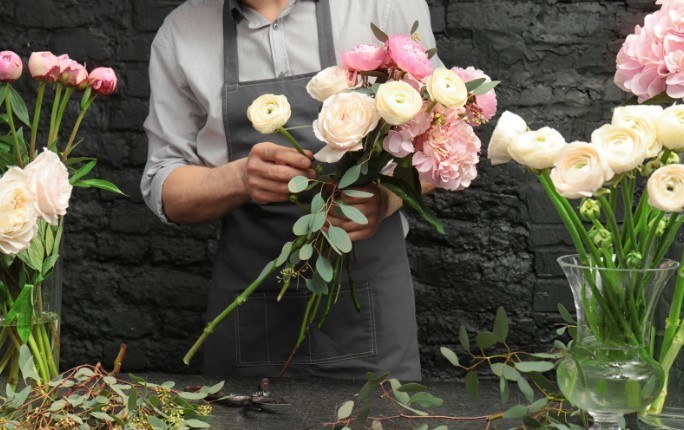
- Hand-tied wraps look professional with a simple kraft paper band.
- “Grown not flown” labels resonate with eco-minded buyers.
Where to Sell Flowers Locally
- Farmstands and pop-up markets
- CSA (Community Supported Agriculture) add-ons
- Instagram/Facebook Marketplace
- Neighbors via group texts or apps like Nextdoor
- Some US states now permit home delivery of fresh cut flowers (check city regulations).
Costs and Potential Profits: Realistic Numbers
Startup and Seasonal Costs
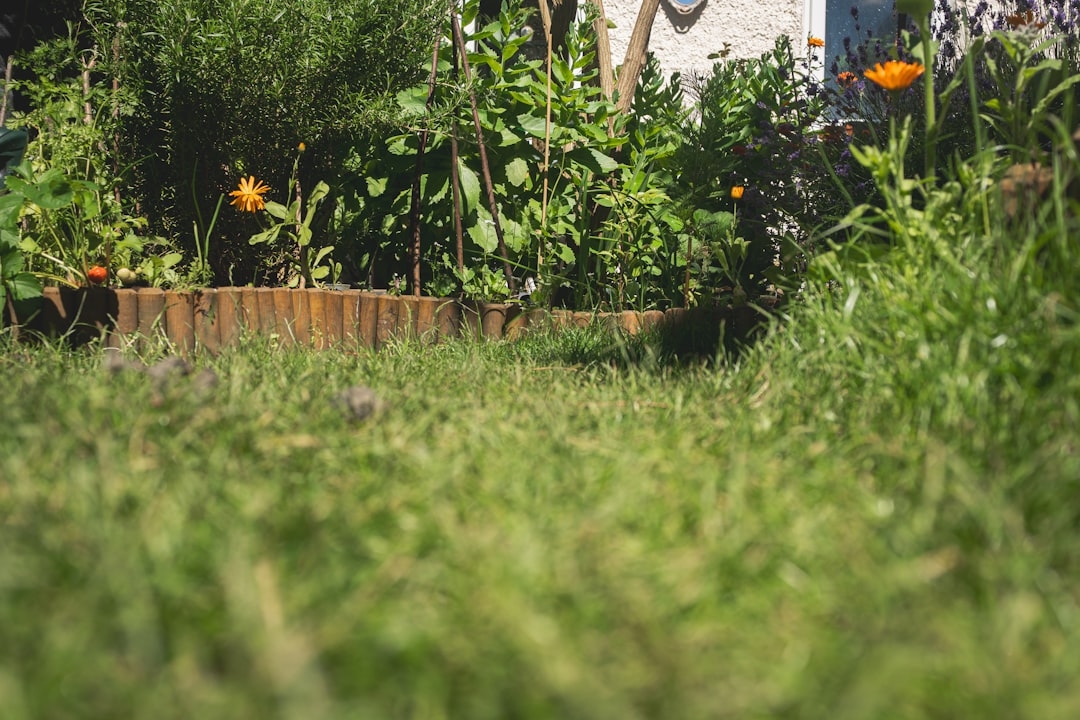
There’s a reason “micro flower farming” is trending for side hustlers–it’s cash-light compared to vegetable or berry farming.
Typical First-Year Budget (2026 Estimates)
- Seeds & plugs: $60-$120
- Compost & soil: $30-$80
- Tools & buckets: $60-$150
- Drip irrigation: $75-$150
- Misc (labels, wraps): $40
Total: $265-$500
Most growers report covering startup costs within the first season if selling even part-time.
Revenue Streams
- Direct sales bouquets: 30 bouquets x $10 = $300
- Subscription/CSA: 10 members x $15/week x 8 weeks = $1,200
- Special event flowers (weddings, parties): Highly variable
A 400-square-foot plot often yields $800-$2,000 in revenue, depending on skill, effort, and local market demand.
Sustainability & Community Benefits
Pollinators and Biodiversity
Backyard flower micro-farms become urban sanctuaries for bees, butterflies, and beneficial insects. A study published in HortScience (2025) found that even modest flower patches increase local pollinator visits by 50% compared to turf grass.
Neighborhood Connections
Flower farming gets you outside–and gets neighbors talking. It’s common for micro-growers to trade blooms, swap seeds, and even create local “bouquet clubs.”
Common Pitfalls (And How to Dodge Them)
1. Overplanting:
Crowding leads to mildew and smaller blooms. Give zinnias, for example, at least 9 inches of space.
2. Poor Variety Selection:
Choose proven workhorses for your region. Heat-tender larkspur won’t thrive in Florida.
3. Ignoring Successive Planting:
Without staggered sowings, you’ll hit glut-and-famine cycles.
4. Skipping Record-Keeping:
Track plant dates, variety success, and revenues. Even a basic notebook saves headaches and helps you plan for bigger seasons.
Frequently Asked Questions
What flowers are best for backyard micro flower farming in the US?
The top choices include zinnias, sunflowers, snapdragons, cosmos, sweet peas, and dahlias. These varieties yield reliably in most US climates, have long vase life, and attract pollinators.
How much money can you make from a backyard micro flower farm?
Most home growers report earning $500-$2,000 per season from a 200-400 sq ft garden, depending on local demand and effort. Costs are typically under $500 for the first year.
How often should I plant new flowers?
Succession planting–sowing every 2-3 weeks–ensures a steady harvest. Most annuals reach bloom in 60-90 days, so stagger plantings for constant color.
Do I need a greenhouse to start micro flower farming?
No greenhouse is required. Most backyard farmers start seeds indoors on windowsills or use low-cost grow lights. For early spring blooms, a small cold frame or low tunnel helps.
Can I sell homegrown flowers legally in my state?
Rules vary by state and city. Most places allow on-premise or pre-arranged sales, but check your local ordinances regarding home businesses and signage before advertising broadly.
Start Small, Grow Joy (and Blooms)
Transforming your backyard into a micro flower farm is more than a botany experiment–it’s a chance to create color, habitat, and sometimes a side business, right under your feet. Try one succession of sunflowers, a row of zinnias, or a patch of fragrant sweet peas this spring. See how just a little space can spark a lot of happiness–in your home, and in your community.

Related Posts
Dried bouquet brands worth the splurge
The case for buying American-grown flowers