The hidden cost of cheap flowers shipped in boxes
Contents:
- What Are the True Costs of Cheap Boxed Flowers? (Featured Snippet)
- What Boxed Flower Delivery Actually Means
- How It Works
- Quality and Longevity: What Gets Lost in Transit
- Why Local Florists’ Flowers Last Longer
- Shipping Stress
- Environmental Impact: More Than Just Cardboard
- Shipping and Carbon Footprint
- Plastic and Packaging Waste
- The Human Cost: Labor and Fair Trade Concerns
- Working Conditions
- Local Florists vs. Boxed Flowers: Fast Facts
- Are Boxed Flower Services Ever a Good Choice?
- Pull-Quote
- FAQ: The Hidden Cost of Cheap Flowers Shipped in Boxes
- Why are flowers from local florists more expensive than boxed flowers?
- Do boxed flowers really have a shorter vase life?
- Are all boxed flower companies bad for the environment?
- What can I do to send ethical flowers?
- Is it possible to get same-day flowers without using a boxed service?
- Action: How to Make Your Flowers Count in 2026
The Hidden Cost of Cheap Flowers Shipped in Boxes
Nobody forgets the first time a box of roses arrives wilted, brown-edged, and disappointingly flat. What’s supposed to be a grand romantic gesture feels, instead, like a missed connection in cardboard. Flower boxes from national brands like 1-800-Flowers or ProFlowers promise convenience and savings. But behind that lower price tag lies an ecosystem of cut corners–ones that impact not just the freshness on your table, but workers, farms, and even the planet.
What Are the True Costs of Cheap Boxed Flowers? (Featured Snippet)
Cheap flowers shipped in boxes often cost the consumer less up front–frequently $35-$60 per dozen, compared to $75-$120 from a local florist–but hidden costs abound. These include:
- Lower flower quality and shorter vase life
- Greater environmental impact due to long-distance shipping and excess packaging
- Difficult labor conditions for overseas growers
- Fewer benefits to local economies and florists
While boxed flowers may seem budget-friendly, the savings come with trade-offs in quality, ethics, and sustainability.
What Boxed Flower Delivery Actually Means
Boxed flower services exploded in the last decade. The biggest players–like UrbanStems, The Bouqs Co., and FTD–promise overnight delivery and wide variety, often with discounts. But what does “shipped in a box” entail?
How It Works
- Flowers are cut and packed at farms, often in Ecuador, Colombia, or Kenya.
- Bundles are chilled, boxed, and shipped by air to the US, sometimes traveling over 3,000 miles.
- Upon arrival, stems sit in distribution centers until orders are filled.
- Flowers are packed dry, without water, and shipped directly to your door.
Unboxing, the recipient finds wilted or “sleeping” flowers, a hydration packet, and basic instructions to revive blooms. About 30-50% of boxed flowers report visible bruising or dehydration on arrival, according to a 2025 study by the American Floral Endowment.
Quality and Longevity: What Gets Lost in Transit
Why Local Florists’ Flowers Last Longer
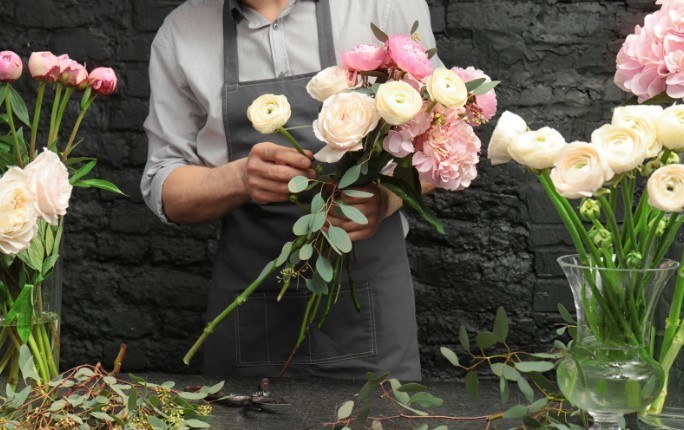
When you buy from a local florist, flowers are typically sourced regionally, kept hydrated, and arranged by hand–often within 48 hours of arrival. “A box of shipped roses might last four or five days if you’re lucky. Our shop’s arrangements, by contrast, routinely last a week and a half,” says Mariah Bellamy, AIFD-certified florist and owner of Petals & Pines in Seattle.
Shipping Stress
Flowers in transit experience:
- Temperature swings
- Ethylene exposure (from other plants or fuels)
- Bruising from rough handling
All of which accelerate wilting and reduce vase life by up to 60%, based on 2024 research from Cornell University’s Department of Horticulture.
| Boxed Flowers | Local Florist | |
|---|---|---|
| Average Vase Life | 4-6 days | 8-12 days |
| Hydration During Shipping | No | Yes, if sourced locally |
| Personal Hand-Arrangement | No | Yes |
| Packaging Waste | High | Low |
Environmental Impact: More Than Just Cardboard
Buying cheap flowers shipped in boxes seems efficient–until you tally the environmental toll.
Shipping and Carbon Footprint
Over 80% of cut flowers sold in the US are imported, primarily from South America. One 2025 study by Green America found that a typical boxed bouquet’s journey generates up to 5 kg (11 lbs) of CO₂ per delivery–nearly three times that of locally-sourced arrangements.
Plastic and Packaging Waste
Boxed flowers rely on layers of plastic, styrofoam, and cardboard to prevent shifting and retain moisture. Local florists often use recyclable paper, and bulk deliveries dramatically reduce packaging waste.
“Every flower boxed and flown is a carbon footprint with petals,” says Dr. Sonja Patel, environmental botanist at the University of California, Davis.
The Human Cost: Labor and Fair Trade Concerns
Behind the bright petals are the hands of farmworkers, mostly women in countries with few labor protections. In 2026, 68% of cut flowers imported to the US originated from Colombia and Ecuador, where wage and pesticide standards lag far behind American norms.
Working Conditions
- Reports of pesticide exposure, leading to respiratory and reproductive issues.
- Wages as low as $7.50/day (2025 data, Fairtrade International).
- Long hours during Valentine’s and Mother’s Day rushes.
Fairtrade-certified farms help, but less than 15% of imported stems in US box bouquets carry any certification.
“The price difference is often pennies for the consumer, but life-changing for workers,” notes Rosa Jimenez, founder of the nonprofit Flor Verde.
Local Florists vs. Boxed Flowers: Fast Facts
When deciding between boxed flowers shipped cross-country and supporting your neighborhood shop, here’s what stands out:
- Speed: Boxed flowers often arrive next-day, but require a few hours of rehydration.
- Customization: Local florists offer custom arrangements, choice of vase, and personal flourishes.
- Support: Each $100 spent at a local florist keeps about $62 in the local economy; with national online box services, less than $10 stays local (2026 data, Civic Economics).
- Experience: Opening a hand-designed bouquet in water is a world away from fussing with droopy boxed stems and lukewarm packets.
Are Boxed Flower Services Ever a Good Choice?
Sometimes, boxed flowers fit the bill. Rural or hard-to-reach areas may have no florist nearby. Last-minute gifts? Boxed services can deliver where no one else can–and they often offer cool, rare varieties impossible to find locally.
A few US-based “farm-to-vase” services–like Farmgirl Flowers and Slow Flowers–work with American growers and use minimal packaging. These provide a more ethical, sustainable middle-ground.
Still, for real impact (and reliably lush bouquets), buying from a trusted local florist remains the gold standard.
Pull-Quote
“A cheap flower box may save you twenty bucks, but it costs your community–and the planet–far more.”
– Mariah Bellamy, AIFD-certified florist
FAQ: The Hidden Cost of Cheap Flowers Shipped in Boxes
Why are flowers from local florists more expensive than boxed flowers?
Local florists invest in higher-quality blooms, skilled design, and often source regionally. Their prices reflect better wages, overhead, and personal service–not just the raw cost of flowers.
Do boxed flowers really have a shorter vase life?
Yes. Flowers shipped dry in boxes typically arrive dehydrated and are more susceptible to damage, which reduces their lifespan by several days compared to florist-arranged bouquets kept in water.
Are all boxed flower companies bad for the environment?
Not all, but most rely on air shipping and excess packaging, increasing carbon emissions and waste. Some newer US-based companies, like Farmgirl Flowers, prioritize sustainability, but they are still the exception.
What can I do to send ethical flowers?
Ask florists–local or online–about their sourcing. Look for Fairtrade or Veriflora certification. Choosing seasonal, US-grown flowers is the lowest-impact option.
Is it possible to get same-day flowers without using a boxed service?
Yes! Many local florists offer same-day delivery within their zip codes, especially when you order before noon. Platforms like BloomNation connect you directly with shops in hundreds of US cities.
Action: How to Make Your Flowers Count in 2026
Next time you’re tempted by a flashy discount on boxed roses for Mother’s Day, try this: call your local florist. Ask if they offer local or sustainable blooms. Tell them who the flowers are for–and let them recommend something seasonal and beautiful. Chances are, the arrangement will last longer, look lusher, and make an impact you can feel good about.
If you must order boxed flowers, look for transparent sourcing, fair labor certification, and minimal packaging. Your flowers–and your conscience–will be all the fresher for it.

Related Posts
Dried bouquet brands worth the splurge
The case for buying American-grown flowers