What makes ranunculus so popular with florists
Contents:
- What Is Ranunculus and Why Do Florists Love It? (Featured Snippet)
- The Visual Drama: Ranunculus Looks Like Luxury
- Ranunculus vs. Other Florist Favorites
- Why Florists Rely on Ranunculus for Weddings and Events
- Workhorse Blooms That Stand Up to Anything
- Versatility in Design
- Consistency in Sourcing
- Sourcing Ranunculus in the US: Availability and Pricing
- Domestic and Imported Blooms
- Price Points (2026 Data)
- Where to Buy
- Care and Handling: Keeping Ranunculus at Their Best
- Ranunculus in Floral Design Trends for 2026
- On Social Media and in Editorial Shoots
- Sustainability and Local Sourcing
- Trending Varieties
- FAQ: Ranunculus and Floristry in 2026
- How long does ranunculus last in a vase?
- Are ranunculus expensive compared to other flowers?
- Can ranunculus be used in wedding bouquets?
- When is ranunculus season in the US?
- Is ranunculus a good choice for people with allergies?
What Makes Ranunculus So Popular With Florists
Tucked into bridal bouquets, centerpieces, and Instagram feeds, ranunculus have quietly stolen the show. These jewel-toned blooms add a romantic, high-end feel–and they’re now some of the most in-demand flowers at modern US flower shops. In fact, ranunculus demand in North America has grown nearly 20% since 2021, according to the Society of American Florists. As floral designers and everyday flower lovers chase their next obsession, the ranunculus rises beautifully to the occasion.
What Is Ranunculus and Why Do Florists Love It? (Featured Snippet)
Ranunculus is a vibrant, multi-petaled flower often used by florists for its lush, rose-like appearance and wide palette of colors. Florists love ranunculus for their long vase life (up to 10 days with proper care), sturdy stems, and versatility in bouquets and arrangements. Unlike more delicate flowers, ranunculus can handle being shipped, arranged, and transported for events without falling apart–making them a reliable choice for weddings and special occasions.
The Visual Drama: Ranunculus Looks Like Luxury
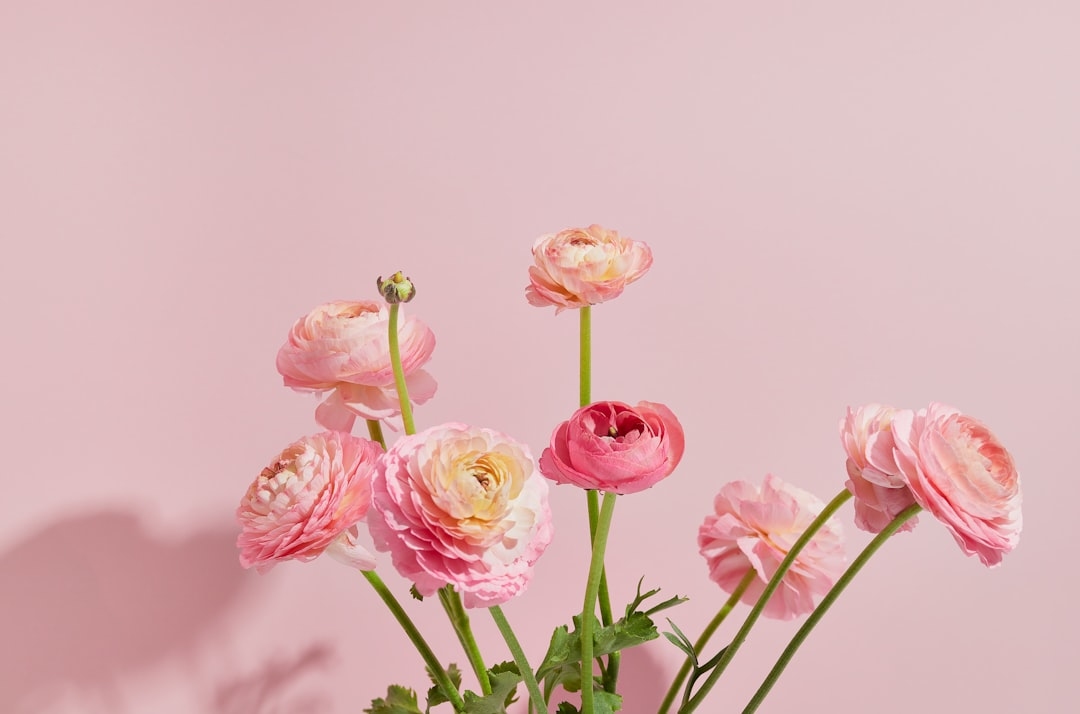
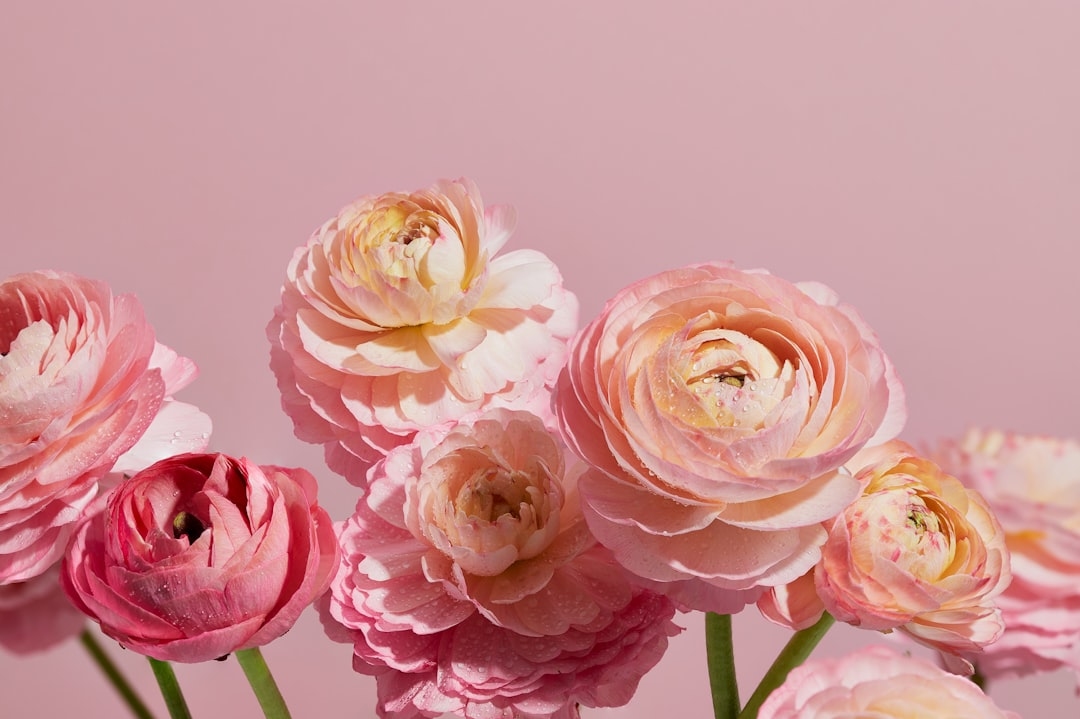
Walk into a boutique floral shop in New York or scroll through a Los Angeles event designer’s portfolio, and you’ll find ranunculus front and center. Their densely layered petals, which spiral into nearly perfect domes, mirror the elegance of peonies and English garden roses–just in a more compact, affordable package. Flower fans often mistake the butterfly ranunculus variety for mini peonies. No wonder: the blooms can reach up to 5 inches across, packing a punch in any arrangement.
Ranunculus also come in an incredible array of hues–from pastel peach and creamy white to neon orange, dusky mauve, and even deep burgundy. This color spectrum gives florists creative freedom, whether they’re designing springtime baby showers or dramatic winter weddings.
<blockquote>
“Ranunculus are the ultimate chameleons for any style–boho, classic, modern. They just work, every time,” says Maya Carter, lead designer at Chicago’s Petal & Stem Collective.
</blockquote>
Ranunculus vs. Other Florist Favorites
| Feature | Ranunculus | Peony | Rose | Tulip |
|---|---|---|---|---|
| Vase life | 7-10 days | 5-7 days | 7-10 days | 5-7 days |
| Fragility | Moderate | Fragile | Sturdy | Fragile |
| Peak season | March-May | May-June | Year-round | March-May |
| Average US Stem Price (2026) | $3-$6 | $6-$12 | $2-$5 | $1.50-$3 |
| Shipping durability | High | Low | High | Low |
Takeaway: Compared to peonies, ranunculus offer more consistent availability in spring, better durability in shipping, and cost savings per stem. Roses are available year-round but lack the textural complexity ranunculus offer.
Why Florists Rely on Ranunculus for Weddings and Events
Workhorse Blooms That Stand Up to Anything
Event florists often face tight timelines, unpredictable climates, and high-pressure environments. Ranunculus has become a favorite for these pros because of its strong, wiry stems and ability to stay fresh for a week or longer. According to Jessie Nguyen, wedding specialist at Atlanta’s Fleur Studio, “We’ve used ranunculus in outdoor July ceremonies and watched them outlast tulips and hydrangeas, even under the sun.”
Versatility in Design
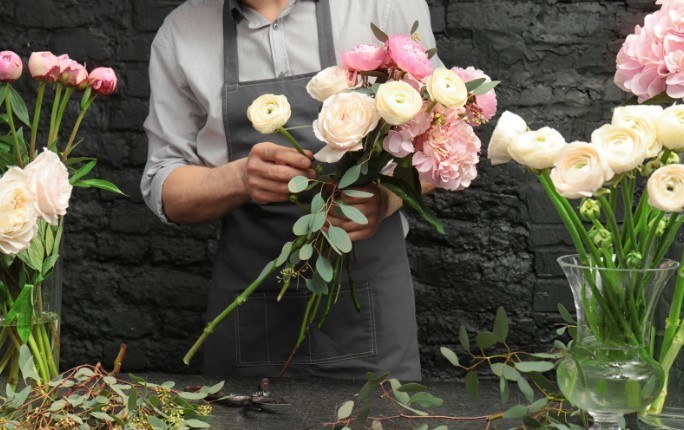
From modern minimalism to wildflower-inspired installations, ranunculus fits right in. Their smaller heads tuck elegantly among roses and lisianthus, while their brighter shades offer the perfect focal point in a mixed bouquet. Because they’re available in so many shades, florists can match ranunculus to just about any palette–from muted pastels to bold contemporary hues.
Consistency in Sourcing
Local US growers–especially in California’s famed flower farms around Carlsbad–have steadily increased ranunculus acreage since the early 2020s. If a florist needs 300 stems of coral ranunculus for a modern event, there are reliable suppliers ready to deliver, even at short notice.
Sourcing Ranunculus in the US: Availability and Pricing
Domestic and Imported Blooms
- California lead the US market: Over 80% of US-grown ranunculus comes from Southern California (source: CalFlowers, 2026).
- Dutch imports fill the offseason: When American fields aren’t blooming, Dutch suppliers ship ranunculus via flower brokers and wholesalers.
Price Points (2026 Data)
- Wholesale: $1.75-$4 per stem, depending on variety and season.
- Retail: Most US florists charge $3-$6 per stem for fresh cut ranunculus.
- Premium colors/varieties: Expect up to $8 per stem for rarer hues like ‘Cloony Hanoi’ blush or butterfly ranunculus.
Where to Buy
- Florists: Most independent florists in major US cities include ranunculus in their spring-summer recipes.
- Online: UrbanStems, The Bouqs Co, and Farmgirl Flowers all offer ranunculus-centric bouquets for nationwide delivery from March through June.
Care and Handling: Keeping Ranunculus at Their Best
For florists and home enthusiasts alike, the right care extends ranunculus life and beauty.
Key care tips:
- Cut stems at an angle with a sharp, clean blade.
- Remove most foliage to avoid murky water.
- Hydrate in cool water, changing it daily.
- Keep away from direct sunlight and ripening fruit (which releases ethylene gas).
- Avoid overcrowding stems in vases for better air flow.
Expert tip: “If ranunculus arrive with tight buds, let them hydrate in shallow water overnight–they’ll plump up and open beautifully by morning,” advises Carla Greene, AIFD-certified florist based in Seattle.
Ranunculus in Floral Design Trends for 2026
On Social Media and in Editorial Shoots
Ranunculus are social media darlings, thanks to their photogenic, swirled centers and saturated hues. On Instagram and Pinterest, hashtags like #ranunculuslove and #ranunculusbouquet have grown by over 35% in the last year (Instagram insights, 2026). Editorial stylists use them for their ability to catch light and add depth to flat-lay arrangements.
Sustainability and Local Sourcing
With more Americans seeking eco-friendly blooms, locally grown ranunculus have a smaller carbon footprint than imported roses or peonies. Many florists, especially in states like Oregon and California, market bouquets as “100% American-grown ranunculus” to set themselves apart.
Trending Varieties
- Butterfly ranunculus: Open, airy petals and vivid colors–on every wedding moodboard.
- Cloony ranunculus: Italian-bred, oversized blooms with dramatic, ruffled petals.
- Tomer and Amandine cultivars: Known for reliable color and long vase life.
FAQ: Ranunculus and Floristry in 2026
How long does ranunculus last in a vase?
Properly cared-for ranunculus last 7 to 10 days in a vase, sometimes longer if kept cool and water is changed daily.
Are ranunculus expensive compared to other flowers?
Ranunculus are generally less expensive than peonies, with average retail prices around $3-$6 per stem in 2026. Premium varieties can cost more.
Can ranunculus be used in wedding bouquets?
Yes, ranunculus is one of the most popular wedding flowers in the US, prized for its romantic look and wide color range.
When is ranunculus season in the US?
The main US season for fresh ranunculus runs from March through May, though imported flowers extend availability through early summer.
Is ranunculus a good choice for people with allergies?
Ranunculus is generally low in pollen and considered a better option for allergy sufferers than highly fragrant blooms like lilies or gardenias.
Ready to experiment with ranunculus? Ask your local florist what unique colors or varieties they’re sourcing this season. Try mixing ranunculus into your next arrangement–see how these showy blooms can elevate even a humble kitchen table. With new hybrids and sustainable US growers emerging every year, the ranunculus trend in floristry is only getting bolder.

Related Posts
Dried bouquet brands worth the splurge
The case for buying American-grown flowers