Locally-grown flowers in winter – is it possible
Contents:
- Can You Get Locally-Grown Flowers in Winter? (Direct Answer)
- How US Flower Growers Do It: Winter Strategies
- Heated Greenhouses: The Workhorses
- High Tunnels and Unheated Protection
- Indoor and Hydroponic Grown Blooms
- What Flowers Actually Grow Locally in Winter?
- Top Local Winter Flowers
- Foliage & Branches
- The Regional Reality: Where Local Winters Shine
- Milder Climates (California, Florida, Southern Texas)
- Cold & Snowy (Northeast, Midwest, Rockies)
- Pacific Northwest
- Buying Local Flowers in Winter: How, Where, and What to Expect
- Where to Look
- What to Expect
- Imported vs. Local Flowers in Winter: What’s the Difference?
- Winter Flower Myths vs. Reality
- Creative Ways to Enjoy Local Winter Blooms
- FAQ: Locally-Grown Flowers in Winter
- Can I get local flowers in winter in any state?
- What flowers are most common for local winter bouquets?
- Are winter flowers grown outdoors or in greenhouses?
- Why are local winter flowers more expensive?
- How can I be sure flowers are locally grown?
- Looking Forward: Making Local Flowers Part of Your Winter Ritual
Locally-Grown Flowers in Winter – Is It Possible?
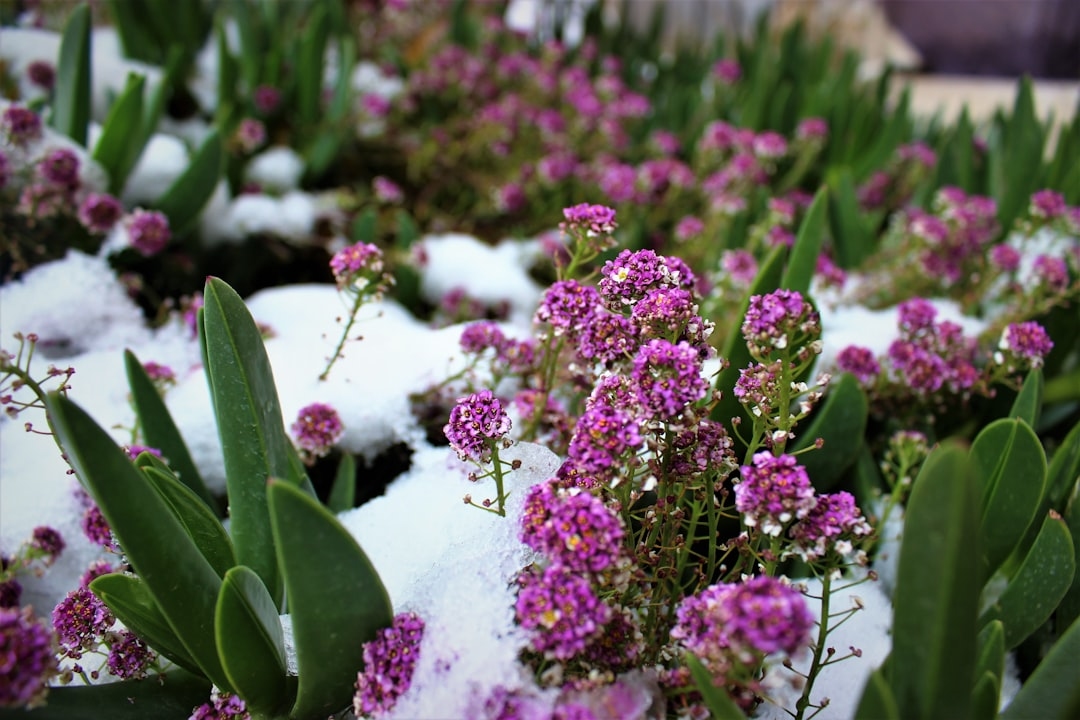
Snow blankets the ground, icicles fringe rooflines, and yet, somehow, a vase on your neighbor’s table bursts with fragrant, fresh-cut tulips. Are those local? Or is the idea of locally-grown flowers in winter just a beautiful myth? Florists from Seattle to Vermont know: “local” doesn’t disappear with the first hard frost. It adapts. Let’s crack open the snowy greenhouse door and see what’s truly possible for US-grown winter blooms.
Can You Get Locally-Grown Flowers in Winter? (Direct Answer)
Yes – you can buy locally-grown flowers in winter in the US, although selection, quantity, and availability depend heavily on your region and the growing methods of local flower farms. Most winter flowers are grown in heated greenhouses, high tunnels, or carefully managed indoor environments. Expect to find cold-tolerant varieties like anemones, ranunculus, tulips, and hellebores from local growers, especially in states with vibrant flower-farming communities. For true field-grown (outdoor) blooms, winter limits you to evergreens and foraged branches, but “local” can include anything grown within your state or region, even if not outdoors.
How US Flower Growers Do It: Winter Strategies
Every flower tells a story, and in winter, that story is one of innovation and resilience. Across America, small farms and urban growers have transformed flower production, using clever methods to keep local bouquets coming even as temperatures dip.
Heated Greenhouses: The Workhorses
- Heated greenhouses allow farmers to control temperature, humidity, and light. The upfront cost is significant (between $15,000-$40,000 for a mid-sized structure in 2026), but it’s the only way to produce longer-stemmed, premium blooms like lilies or snapdragons in January.
- According to Harper Lin, owner of Frost Bloom Farm in Oregon, “Our winter greenhouses cost 17% more to heat since 2022, but the demand for local, pesticide-free flowers has quadrupled in that time.”
High Tunnels and Unheated Protection
- High tunnels (unheated plastic-covered structures) offer frost protection and extend the growing season. While flowers inside may grow more slowly in winter’s limited daylight, growers can start cool-season crops like anemones and ranunculus in fall for late-winter harvesting.
- A 2025 USDA report found that 61% of small-scale floriculture operations in the Northeast used high tunnels for off-season flowers.
Indoor and Hydroponic Grown Blooms
- Urban florists sometimes source from hydroponic or indoor vertical farms. Think LED-lit racks of Icelandic poppies or petite sunflowers grown year-round in Brooklyn or Chicago.
- These setups use more electricity but can produce fresh, chemical-free flowers with minimal water.
“People crave beauty in winter. Local flowers remind us that life is persistent – and technology helps us prove it,” says Dr. Rafael Gomez, horticulture lecturer at Rutgers University.
What Flowers Actually Grow Locally in Winter?
Spoiler: you won’t get field-grown dahlias in January anywhere above Florida. But the list of winter-ready blooms is longer than most people think. Here’s what US growers are cutting in December through March:
Top Local Winter Flowers
| Flower | Best Regions | Typical Season | Notes |
|---|---|---|---|
| Anemones | CA, OR, WA, NY | Dec-Apr | Grown in high tunnels; bold colors |
| Ranunculus | CA, TX, VA, Northeast | Jan-Apr | Lush, rose-like; needs cool roots |
| Tulips | MI, OR, NJ, AK | Jan-Apr | Forcing bulbs indoors/greenhouse |
| Hellebores | TN, VA, NC, PNW | Dec-Mar | Outdoor/foraged; unique winter perennial |
| Amaryllis | FL, CA, Southern US | Dec-Feb | Grown indoors or forced; huge blooms |
| Sweet Peas | CA, Northern FL, TX | Jan-Mar | Early crops in tunnel/greenhouse |
| Witch Hazel, Pussy Willow | Northeast, Midwest | Jan-Mar | Foraged winter branches; add texture to arrangements |
“Winter flowers are more subtle – mossy greens, blushes, moody purples. They surprise people used to summer’s wild outbursts,” observes Leah Maxwell, award-winning floral designer in Minneapolis.
Foliage & Branches
Fresh flowers aren’t the only game. Local evergreens (like cedar, pine, and boxwood), berry branches, and dried flowers are mainstays for winter bouquets. Many US florists blend these with a handful of greenhouse-grown blooms for a lush, seasonal effect.
The Regional Reality: Where Local Winters Shine
Not all winters are created equal. Here’s a look at local winter flower potential coast to coast:
Milder Climates (California, Florida, Southern Texas)
- California’s “flower belt” (Santa Barbara to San Diego) supplies 70%+ of the US’s domestically-grown fresh flowers, and their greenhouses work overtime November-February. Farmers use shade cloth in winter as much as heaters.
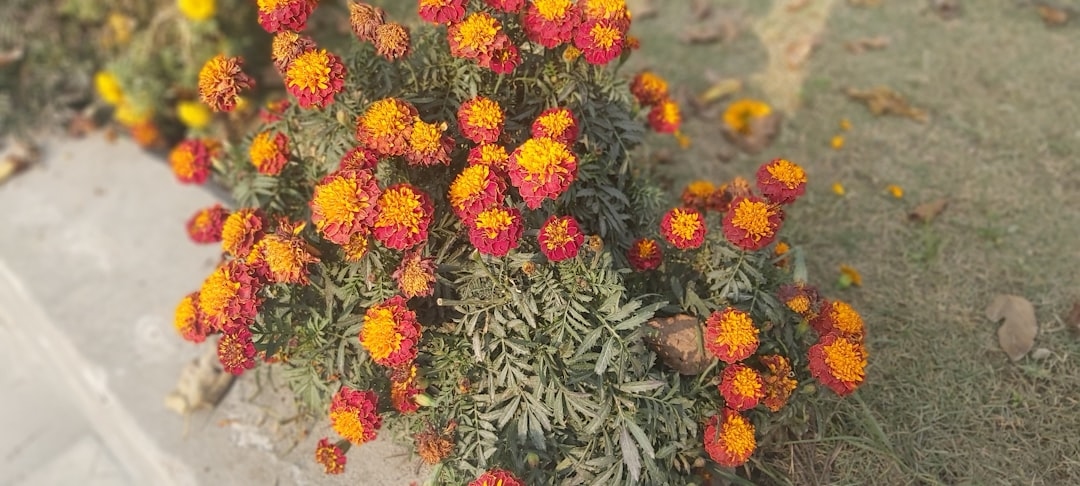
- In Florida, field-grown flowers like zinnias and marigolds can survive through January. In 2026, Miami-based SunRay Flowers launched a winter CSA (Community Supported Agriculture) bouquet program, offering native sunflowers and foraged foliage.
Cold & Snowy (Northeast, Midwest, Rockies)
- Think greenhouse or high-tunnel only. In Vermont, Rooted Blooms Farm sets up pop-up shops with forced tulips and winterberry branches on snowy sidewalks.
- Midwest growers, especially in Michigan and Illinois, focus on amaryllis, sweet peas, and dried-flower arrangements for January weddings – often fetching 30-50% higher prices than summer stems.
Pacific Northwest
- Mild, wet winters allow for a mix of hellebores, anemones, and early daffodils.
- Seattle’s urban flower movement is big on foraged evergreens, and indoor microgreens often show up in avant-garde winter centerpieces.
Buying Local Flowers in Winter: How, Where, and What to Expect
Not every grocery bouquet in December is “local.” Here’s how to source true local blooms in winter, no matter where you are:
Where to Look
- Local Florists
Independent shops often list local growers on their websites or in-store signage. Some even offer winter-specific arrangements labeled “local-grown.” - Farmer’s Markets & Winter Markets
Look for winter pop-ups or markets with floral vendors. Real-world example: The Union Square Greenmarket in New York City hosts local bulb growers through February. - Flower CSAs & Subscription Services
Farms like Blue Sky Flowers (PA) or UrbanStems’ “Local Luxe” line let you subscribe to winter bouquets, often with a mix of flowers and foraged greens.
In 2026, prices average $45-$70 per arrangement, slightly higher than summer due to heating and labor costs. - Online Directories
Visit SlowFlowers.com or the Association of Specialty Cut Flower Growers (ASCFG.org) to search for local winter providers by zip code.
What to Expect
- Selection will be more limited (typically 3-7 species per bouquet) and stem lengths may be shorter.
- Colors trend toward whites, purples, and rich greens – less coral, yellow, or hot pink.
- Prices are often higher per stem due to increased production costs.
- You’ll get longer vase life. “Winter-grown local tulips often last 10 days or more, compared to 5-7 for imported,” notes florist and author Karen Yee of Chicago.
Imported vs. Local Flowers in Winter: What’s the Difference?
Below is a quick comparison to clarify what “local” means in December – and why it matters:
| Locally-Grown Winter Flowers | Imported Winter Flowers | |
|---|---|---|
| Origin | State or region (within 400 miles) | South America, Africa, Europe |
| Typical Travel Time | <2 days | 4-8 days |
| Variety | Seasonal: anemone, hellebore, tulip | Roses, carnations, lilies |
| Environmental Impact | Lower transport emissions; more energy for heating | Long flights; lower greenhouse energy (in tropics) |
| Price | $2-$5/stem (retail) | $1.50-$3/stem (retail) |
| Vase Life | 7-14 days | 5-8 days |
| Supports | Small/medium US farms & florists | Large international suppliers |
“When I buy local, I know the farm, the people, and the story behind the bouquet. That makes every arrangement feel personal,” says Sarah Wood, NYC event florist.
Winter Flower Myths vs. Reality
Time to bust some common misconceptions:
-
Myth: Local flowers disappear after Halloween.
Reality: Many US growers time crops for harvest from December through March using protected structures. -
Myth: All winter flowers are flown in from overseas.
Reality: An estimated 27% of all winter-cut flowers sold in the US in 2025 were domestically grown, up 19% from five years earlier (USDA Floriculture Summary, 2026). -
Myth: Greenhouse-grown = less natural or sustainable.
Reality: Many growers use geothermal heating, rainwater catchment, or even solar panels to keep winter flowers eco-friendly.
Creative Ways to Enjoy Local Winter Blooms
Winter flowers invite creativity (and a bit of patience). Here’s how to make the most out of what’s local and seasonal:
- Mix and match: Combine greenhouse blooms with foraged branches or dried flowers for texture.
- Go minimal: A single hellebore stem in a bud vase makes a statement.
- Gift subscriptions: Many farms offer 3- or 4-week winter bouquet subscriptions – excellent for beating January blues.
- DIY bulb forcing: Try your hand at forcing tulip or daffodil bulbs on a sunny windowsill – even city apartments can go “local” in this way.
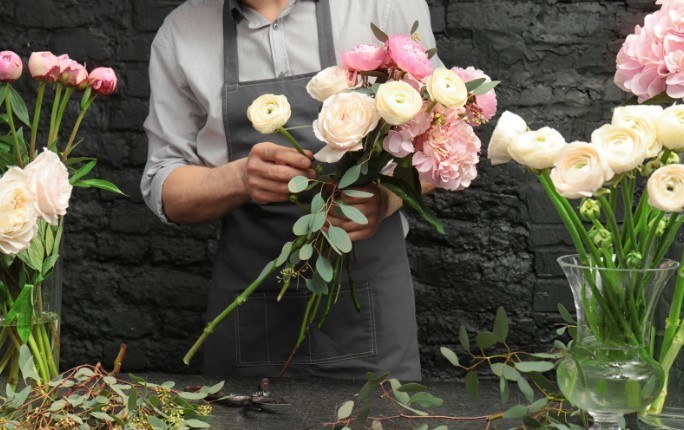
Florist tip: “For longer vase life in winter, use lukewarm water, trim stems at an angle, and keep arrangements away from direct heat sources,” advises Emily Tran, owner of Blossomfield Studio, Denver.
FAQ: Locally-Grown Flowers in Winter
Can I get local flowers in winter in any state?
You can find some form of locally-grown flowers in almost every US state during winter, though availability and selection are greatest in states with established greenhouse flower farms, such as California, Oregon, and parts of the South and Northeast.
What flowers are most common for local winter bouquets?
Anemones, ranunculus, tulips (forced or greenhouse-grown), hellebores, and evergreens are the most common local winter flowers in the US.
Are winter flowers grown outdoors or in greenhouses?
Most locally-grown winter flowers are produced in heated greenhouses or unheated high tunnels. Outdoor field-grown flowers are extremely rare in winter, except for some evergreen branches and select perennials in mild climates.
Why are local winter flowers more expensive?
Local winter flowers often cost 30-50% more than their summer counterparts because of higher heating, lighting, and labor expenses related to off-season cultivation.
How can I be sure flowers are locally grown?
Ask your florist or market seller directly about farm locations, or look for trusted certifications and farm names. Reputable shops will usually share their sources, especially for premium or seasonal offerings.
Looking Forward: Making Local Flowers Part of Your Winter Ritual
A vase of local winter flowers does more than brighten a room. It supports nearby growers, shrinks carbon footprints, and brings a taste of the unexpected to gray days. Try adding a winter flower subscription, asking your florist for “local first,” or even experimenting with indoor bulb forcing at home. Next time you see a bouquet blooming in January, you’ll know: winter flowers can be local–if you know where (and how) to look.

Related Posts
Dried bouquet brands worth the splurge
The case for buying American-grown flowers