Hydroponic cut flowers for beginners
Contents:
- Quick Answer: What Are Hydroponic Cut Flowers and Why Start?
- Why Go Hydroponic? The Benefits Over Soil
- The Best Flowers to Grow Hydroponically (2026 Edition)
- Setting Up Your First Hydroponic Flower System
- Choosing a System: Wick, Deep Water Culture, or NFT?
- Essentials for a Beginner’s Hydroponic Flower Setup
- Steps: Plant to Vase
- Caring for Hydroponic Cut Flowers: Maintenance Tips
- Nutrients & Water
- Disease and Pest Prevention
- Pruning and Staking
- Harvesting and Vase Life: Making Your Hydroponic Blooms Last
- Hydroponic Flowers vs Store-Bought: A Comparison
- Common Pitfalls Beginners Face (and How to Avoid Them)
- FAQ: Hydroponic Cut Flowers for Beginners
- What is the easiest flower to grow hydroponically at home?
- How much does it cost to start a hydroponic cut flower setup in 2026?
- Can I use tap water for hydroponic flowers?
- How long does it take to get blooms from a hydroponic setup?
- Do hydroponic flowers have a scent?
- Ready to Grow? Next Steps for Aspiring Hydroponic Florists
Hydroponic Cut Flowers for Beginners
Imagine a kitchen counter in Brooklyn, sunlight pouring through the window. Instead of pots of dirt and watering cans, a simple tub of water pulses gently. Out of it, stems of snapdragons and lilies reach for the light–roots elegantly suspended, no soil in sight. Hydroponic cut flowers aren’t just for professional growers and high-tech greenhouses anymore. They’re thriving in apartments, garages, and suburban basements across America, thanks to affordable kits, easy online guides, and–frankly–the wild fun factor.
Quick Answer: What Are Hydroponic Cut Flowers and Why Start?
Hydroponic cut flowers grow without soil, using water-based nutrient solutions. For beginners, this means healthier blooms, faster growth, and fewer pests–all from your own indoor garden. Home hydroponic flower setups in the US cost as little as $65 (2026 average for starter kits), and common flowers like zinnias, snapdragons, and lilies adapt well.
Why Go Hydroponic? The Benefits Over Soil
Dirt is classic, but hydroponics is quickly becoming the new normal for fresh-cut flowers–especially for beginners pressed for space or time.
- Faster Growth: According to Dr. Elise Frank, horticultural scientist at Michigan State University, hydroponic flowers can grow up to 30% faster than soil-grown counterparts. That’s a significant leap for anyone growing blooms to display, gift, or even sell.
- Fewer Bugs, Less Mess: No soil means no fungus gnats or weeding. There’s also less risk of soil-borne diseases–a relief for new growers looking to avoid the heartbreak of wilted stems.
- Year-Round Blooms: You can grow flowers in a cold Chicago loft in January or a humid Texas summer–hydroponics works indoors, no matter the weather.
- Precise Control: Nutrition, pH, and moisture can all be dialed in. For those addicted to tinkering (or just wanting reliably picture-perfect blooms), this is a game changer.
“Hydroponics democratizes flowers. It puts the beauty of fresh stems on every windowsill, no matter your zip code.”
– Carla Yoon, founder, PetalWorks Floristry (Los Angeles)
The Best Flowers to Grow Hydroponically (2026 Edition)
Not all flowers are created equal when it comes to hydroponics. Here’s a list of beginner-friendly blooms that flourish in water-based systems:
- Zinnias – Bright colors, sturdy stems, fast growers.
- Snapdragons – Popular for bouquets, adapt easily to hydro setups.
- Liatris – Unique shape, loved by pollinators even indoors.
- Gerbera Daisies – Large, dramatic, and stand out in any vase.
- Lilies – Moderate challenge, but huge payoff for patient growers.
- Statice – Excellent for both fresh cutting and dried arrangements.
- Orchids (especially Phalaenopsis) – More advanced, but spectacular.
Pro tip: Avoid roses for your first round. Their tap roots and disease susceptibility make them tricky in water.
Setting Up Your First Hydroponic Flower System
So, what does a hydroponic setup for cut flowers actually look like in 2026? Thankfully, it doesn’t need to break the bank or take over your whole living room.
Choosing a System: Wick, Deep Water Culture, or NFT?
| System Type | Pros | Cons | Best For | Starter Kit Cost (2026) |
|---|---|---|---|---|
| Wick System | Simple, no pumps | Slower growth | Herbs, small flowers | $65-$90 |
| Deep Water Culture | Fast, easy to clean | Needs air pump | Most annual flowers | $80-$140 |
| Nutrient Film (NFT) | Efficient, scalable | More complex | Larger volumes, pros | $140-$220 |
For most beginners, Deep Water Culture (DWC) hits the sweet spot: affordable, low-maintenance, and works with a wide range of flowers.
Essentials for a Beginner’s Hydroponic Flower Setup
- Hydroponic Reservoir (5-10 gallon for home use)
- Net Pots and Grow Medium (like clay pebbles or rockwool cubes)
- Air Pump and Stone (keeps roots oxygenated)
- LED Grow Lights (full-spectrum, $30-60 for a 2’x2’ area)
- Hydroponic Nutrients (General Hydroponics Flora series is a classic; $15-20 per quart)
- pH Test Kit (aim for pH 5.5-6.5 for most flowers)
Online retailers like Amazon, Hydrofarm, and AeroGarden offer all-in-one kits. Local garden centers (Home Depot, Lowe’s) increasingly stock hydroponic gear as of 2026.
Steps: Plant to Vase
- Start Seeds in rockwool cubes until roots peek out (5-14 days).
- Transfer Seedlings to net pots in your hydro reservoir.
- Monitor Nutrient Solution weekly. Top off and keep pH balanced.
- Provide 12-16 hours of light daily (LED timers help!).
- Harvest when buds are just opening for longest vase life.
Caring for Hydroponic Cut Flowers: Maintenance Tips
Hydroponics isn’t entirely “set and forget,” but it’s easier than most beginners expect.
Nutrients & Water
The right nutrient mix keeps stems sturdy and colors vibrant. Florist Jamie Chen, who switched her entire Boston operation to hydroponics in 2024, recommends boosting potassium when flower buds start forming for longer-lasting cut stems.
- Solution Change: Swap out the full reservoir every 2-3 weeks.
- Temperature: Ideal root temp is 65-72°F; avoid direct sunlight on the tank in summer.
Disease and Pest Prevention
With no soil, root rot risk drops, but algae can become an issue–especially under strong lights.
- Use opaque reservoirs or wrap containers in dark fabric.
- Remove fallen leaves promptly.
- If you notice mushy roots, cut back on watering and adjust air flow.
Pruning and Staking
Even indoors, some hydroponic flowers (like snapdragons) can reach three feet tall. Thin stems and add supports early. This prevents toppling and helps direct energy toward flower production.
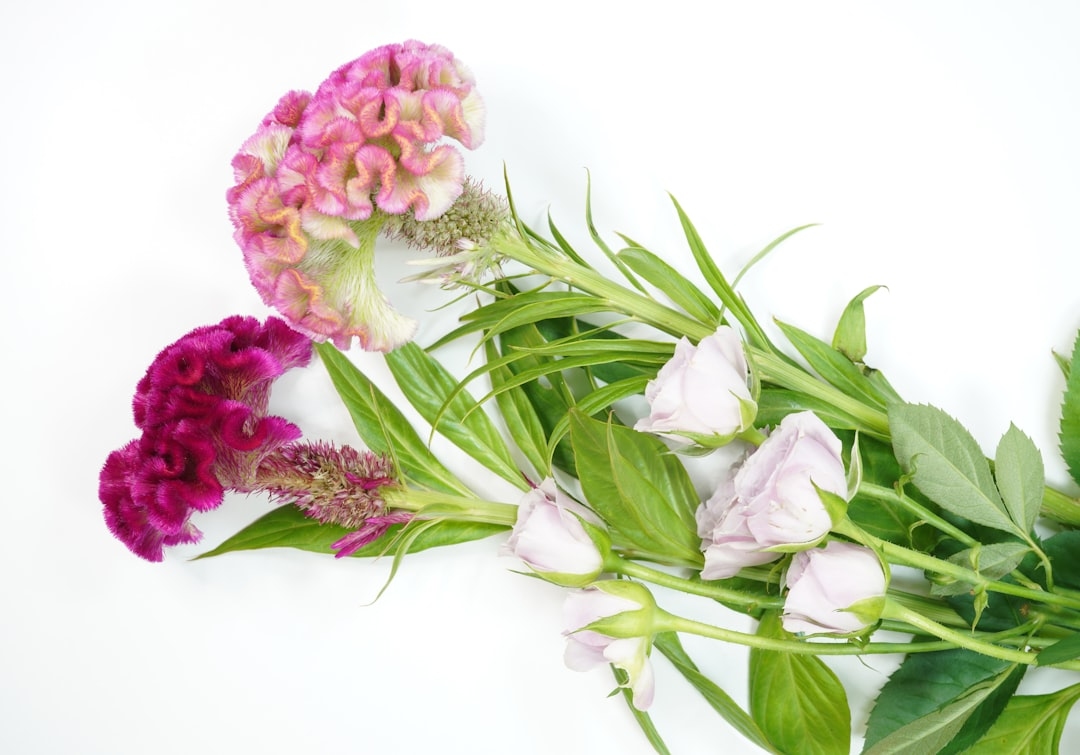
Harvesting and Vase Life: Making Your Hydroponic Blooms Last
Hydroponically grown flowers can last longer in the vase, provided you harvest smart.
- Cut Early: Snip stems in the morning, just as buds are opening. Avoid fully open flowers–they won’t last as long.
- Clean Tools: Always use sterilized scissors or knives.
- Immediate Conditioning: Place cut stems immediately in cool, clean water.
- Change Water Regularly: Every other day is ideal.
According to the Society of American Florists (2026 benchmark), zinnias and snapdragons harvested hydroponically averaged 11 days of vase life–2-3 days longer than most store-bought, soil-grown specimens.
Hydroponic Flowers vs Store-Bought: A Comparison
| Feature | Home Hydroponic Flowers | Standard Store-Bought Flowers |
|---|---|---|
| Pesticide Use | None (if organic) | Variable |
| Vase Life (avg.) | 9-14 days | 5-10 days |
| Seasonality | Year-round | Seasonal/varies |
| Cost per Bouquet | $2-$6 (after setup) | $15-$35 |
| Customization | High (your choice) | Limited |
Common Pitfalls Beginners Face (and How to Avoid Them)
Everyone kills a seedling or two. Here’s how not to repeat the most frequent mistakes:
- Skimping on Light: Window sunshine isn’t enough. Invest in a real LED grow light.
- Overcrowding: Fewer plants = bigger, healthier blooms.
- Ignoring pH: Tap water pH varies wildly by region. Test, don’t guess.
- Forgetting Air Pumps: Stagnant water means limp stems and root disease.
- Not Labeling Varieties: Trust–you’ll forget what you planted by week two.
FAQ: Hydroponic Cut Flowers for Beginners
What is the easiest flower to grow hydroponically at home?
Zinnias are widely considered the easiest hydroponic flower for beginners in the US. They germinate quickly, tolerate a range of nutrient levels, and bloom within 5-7 weeks of starting seeds.
How much does it cost to start a hydroponic cut flower setup in 2026?
A basic starter hydroponic flower kit in 2026 costs $65-$120, covering the reservoir, net pots, air pump, nutrients, and basic lighting. Factor in $5-$10 for seeds.
Can I use tap water for hydroponic flowers?
Most US tap water works if you adjust the pH to 5.5-6.5 and avoid water with high chlorine. Use a cheap pH meter or test strips, and let water sit overnight to dissipate chlorine before use.
How long does it take to get blooms from a hydroponic setup?
With most annuals (like zinnias or snapdragons), expect flowers 6-8 weeks after seeding. Some, like lilies, may take 10-12 weeks from sprout to bloom.
Do hydroponic flowers have a scent?
Yes–hydroponically grown flowers have the same fragrance as soil-grown varieties. In many cases, scent intensity is improved by providing optimal nutrients and no chemical sprays.
Ready to Grow? Next Steps for Aspiring Hydroponic Florists
Set aside a Saturday, clear a sunny counter, and order a hydroponic starter kit. There’s something quietly revolutionary about snipping a bouquet you grew yourself, roots dangling not from dark earth but from clear, mineral-rich water. Track your progress, share your blooms online, and connect with the growing hydroponic flower community on Reddit or local gardening clubs. In a year, you might not buy bouquets at all–you’ll be the neighbor handing them out.
And if your first batch flops? Chalk it up as a hydroponic rite of passage. Flowers, after all, are about second chances and new beginnings–why not start yours in water?

Related Posts
Dried bouquet brands worth the splurge
The case for buying American-grown flowers