AI flower recommendations – do they actually work
Contents:
- Quick Answer: Do AI Flower Recommendations Actually Work?
- How AI Flower Recommendation Engines Operate
- The Algorithms Behind the Arrangements
- Where AI Picks Shine–and Where They Miss
- The Role of Personalization in AI Flower Tools
- Personalization: Genuine or Generic?
- Can AI Replace Florist Instinct?
- U.S. Flower Market: AI Tools vs. Traditional Florists
- Price Differences
- Customer Satisfaction
- AI Flower Tools and American Gift-Giving Trends
- How AI Shapes Consumer Choices
- What’s Missing?
- Pull-Quote
- Should You Trust AI with Your Next Flower Order?
- Frequently Asked Questions
- Are AI flower recommendation tools accurate?
- How do AI flower recommenders decide which flowers to suggest?
- Can AI recommenders accommodate allergies or specific requests?
- Are AI-recommended bouquets more expensive?
- Will AI replace human florists for specialty arrangements in the future?
- Ready to Order? How to Get the Best of Both Worlds
AI Flower Recommendations – Do They Actually Work?
Picture this: It’s your sister’s birthday, you’re determined to get it right, and you’ve got 4,000 arrangements and 50 flower types on your screen. You’re stuck. Suddenly, a little chat box pops up: “Want help picking flowers? Try our AI recommendation tool.” Is this your ticket to the perfect bouquet – or just another algorithm spinning its digital wheels?
Modern floristry shops, from Floom to 1-800-Flowers, now pitch their AI flower suggestion tools as the answer to confusion and personalizing gifts. But can artificial intelligence really “know” what makes a bouquet feel special, or does it just shuffle tulips and daisies with some clever programming? Let’s strip away the hype and see if these AI flower recommenders actually deliver in 2026.
Quick Answer: Do AI Flower Recommendations Actually Work?
Most AI flower recommendation tools in 2026 do a decent job of narrowing choices based on broad preferences, occasions, and recent trends. However, when it comes to nuanced sentiment, local flower availability, or deeply personal touches, they often fall short of what a seasoned florist provides. For generic gifting or quick decisions, AI suggestions are helpful, but for truly memorable or culturally specific arrangements, human expertise still leads.
How AI Flower Recommendation Engines Operate
Artificial intelligence in floristry doesn’t “smell” or “feel” flowers – it crunches data. These tools, integrated on major US sites like UrbanStems and ProFlowers, work by asking a few questions (“Who’s the recipient?” “What’s the occasion?” “What colors?”), then sifting through purchase history, seasonal trends, and inventory.
The Algorithms Behind the Arrangements
- Data-Driven Matching: Most recommenders use collaborative filtering – the same tech behind Netflix or Amazon’s “you might like” lists.
- Natural Language Processing: Some analyze your written note or occasion description to gauge sentiment and suggest fitting blooms.
- Inventory Integration: Real-time checks on what’s in stock locally to avoid recommending peonies in December (unless you’re in southern California with a fat wallet).
Statistic: According to a 2025 report from the American Florists Association, over 62% of major online flower orders in the US involved some form of automated recommendation.
Where AI Picks Shine–and Where They Miss
Not all flower searches are created equal. Here’s a breakdown of where these digital helpers save the day and where they lose the personal touch:
| Situation | AI Tool Strengths | Human Florist Advantages |
|---|---|---|
| Last-minute gifting | Fast, filters options instantly | May not have time for custom work |
| Big holidays (Valentine’s, Mother’s Day) | Recognizes bestsellers, avoids out-of-stock items | Can suggest unique local options |
| Specific symbolism needed (e.g., expressing sympathy, apology) | Struggles with nuance | Can interpret emotion and context |
| Custom or unusual arrangements | Limited creativity | Can design from scratch |
| Local flower sourcing | Depends on up-to-date inventory feeds | Knows local growers and seasonality |
“AI recommenders are fantastic for quick, classic bouquets – they just aren’t artists yet,” says Marissa Grant, AIFD-certified florist with 20 years’ experience in Seattle.
The Role of Personalization in AI Flower Tools
Personalization: Genuine or Generic?
You’ll see words like “tailored,” “unique,” and “curated for you” all over the place. Here’s the tech reality:
- Personal Details Used: AI platforms typically use your occasion, past orders, and sometimes ZIP code.
- Blind Spots: They don’t know about your recipient’s lily allergy, the vase color at their house, or that “red roses” is a no-go for your quirky friend.
Example: FTD’s 2026 AI advisor, launched in late 2025, pulls in major US holidays and trending Instagram hashtags to suggest “on-trend” bouquets, but secondary details (like a preference for wildflowers over roses) often go unrecognized if not specified.
Can AI Replace Florist Instinct?
Florists like Diego Morales, who manages a high-end shop in Austin, TX, claim, “I’ve never seen an algorithm spot the difference between ‘I’m sorry’ and ‘I want you back’ in flower language. That takes a human ear and a lifetime of experience.”
U.S. Flower Market: AI Tools vs. Traditional Florists
Americans spend over $36 billion annually on floral products (Statista, 2025). In big cities, same-day delivery services like Bouqs and Amazon Flowers have popularized algorithmic shopping. Meanwhile, independent florists see AI tools as both a complement and a threat.
Price Differences
AI-driven selections tend to nudge buyers toward mid-range offerings, typically $55-$85 per bouquet on US sites, with “personalized” upgrades sometimes adding another $20. By contrast, local florists may create bespoke bouquets starting at $65, with more flexibility on extras.
Customer Satisfaction
A 2025 survey by Flower Review Hub reported:
- 71% satisfaction for AI-selected bouquets (“met expectations” or better)
- 88% satisfaction for human-selected, phone/consultation orders
Key takeaway: For rush jobs or standard events, AI is often “good enough.” For deep sentiment or wow factor, human advice still reigns.
AI Flower Tools and American Gift-Giving Trends
How AI Shapes Consumer Choices
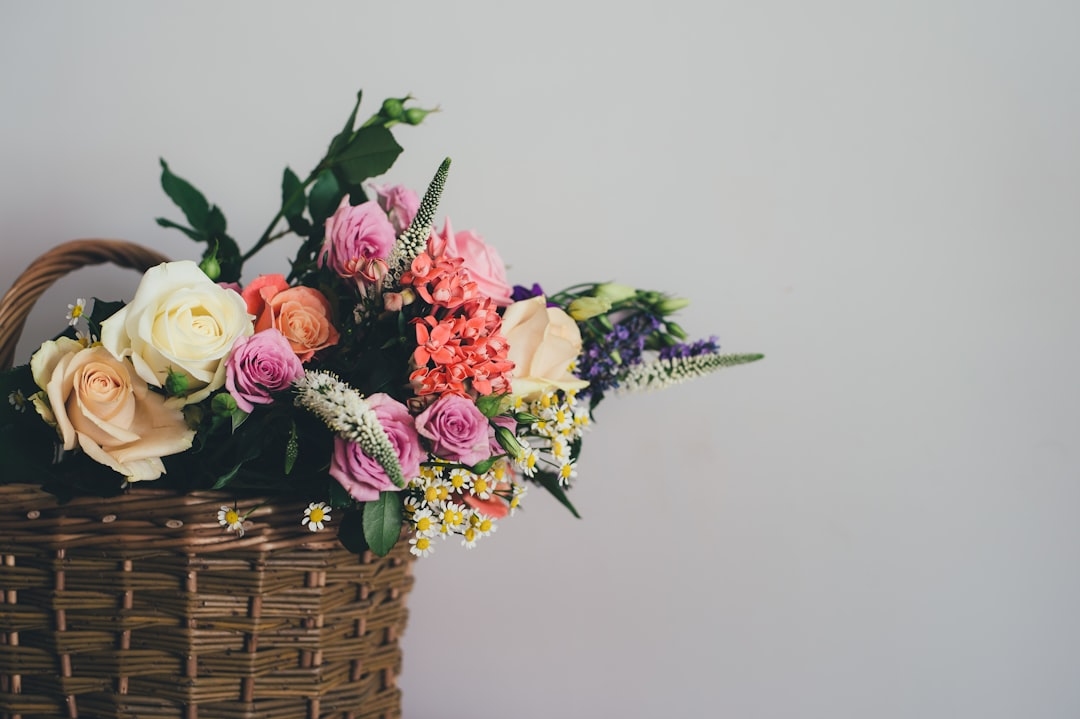
Younger buyers (Gen Z, Millennials) are more likely to trust AI recommendations, especially when integrated with text message ordering (“Text ‘FLOWERS’ to 555-8764, answer 3 questions, and get a bouquet shipped today”). These tools push popular picks, often reinforcing viral flower trends–think “dried eucalyptus” or “baby’s breath everything”–and overlook less mainstream options.
What’s Missing?
- Regional nuance: AI suggesters sometimes ignore native blooms (like Texas bluebonnets or California poppies) not in their databases.
- Cultural context: Nuances for cultural celebrations–like Lunar New Year or Día de los Muertos–are often missed, or replaced by generic “bright arrangements”.
Pull-Quote
“AI can quickly find flowers that fit a price and occasion, but it can’t replace a florist who knows my mom’s favorite color is not pink – it’s periwinkle.”
– Megan Riley, frequent online flower buyer, Brooklyn, NY
Should You Trust AI with Your Next Flower Order?
Here’s when to say yes, and when to phone your local shop:
AI Recommenders Are Great For:
- Birthday, anniversary, or graduation bouquets when you need it fast
- Broad, traditional USA holidays
- Corporate or bulk orders (“15 thank-you bouquets for client gifts”)
- “Safe” picks for acquaintances or workplace gifting
Ask a Human Florist If:
- The recipient has distinct tastes or sensitivities
- You want a non-traditional arrangement or rare flowers
- It’s tied to a cultural/religious event
- You crave a show-stopping or artistic design
Frequently Asked Questions
Are AI flower recommendation tools accurate?
AI flower recommendation tools are usually accurate for common occasions and mainstream preferences. They analyze user input, trends, and available inventory but may miss subtle personal or cultural nuances. Satisfaction rates hover around 70% for AI-selected arrangements in US surveys.
How do AI flower recommenders decide which flowers to suggest?
These tools use algorithms that consider your input (occasion, relationship, budget), previous purchase data, seasonal flower lists, and trending designs. They cross-reference current inventory to ensure fast delivery and up-to-date availability.
Can AI recommenders accommodate allergies or specific requests?
Most currently require you to specify allergies or dislikes manually. Unlike a human florist, AI tools won’t intuitively know about common sensitivities or subtle preferences unless you tell them in advance.
Are AI-recommended bouquets more expensive?
Not necessarily. AI tends to promote mid-range bouquets, sometimes upselling “personalized” upgrades. Prices are generally comparable to standard online selections, with arrangements typically in the $55-$85 range on major US flower delivery sites.
Will AI replace human florists for specialty arrangements in the future?
Experts predict AI will keep improving, especially in basic personalization and delivery logistics. However, for specialty, artistic, or emotionally nuanced arrangements, human florists remain essential. AI may enhance – but not fully replace – human creativity in floristry.
Ready to Order? How to Get the Best of Both Worlds
For your next flower delivery, try this two-step approach: start with an AI tool for ideas and practicality, then–if the moment truly matters–call or message your local florist with specifics only a human can grasp. Snap a photo of your recipient’s favorite spot, mention those little details, and watch your bouquet become unforgettable. As AI learns and grows, the real magic is blending technology’s convenience with the warmth and wisdom of floral artists who see beyond the algorithm.
The perfect bouquet in 2026? It’s the one where your sentiment shines through – no matter who (or what) recommends it.

Related Posts
Dried bouquet brands worth the splurge
The case for buying American-grown flowers