Sympathy Flower Delivery in New Jersey: What Flowers to Send for Condolences and Loss
Contents:
- Why Sympathy Flowers Still Matter
- Understanding the Occasion Before You Order
- Funeral Home Viewing or Wake
- Funeral or Memorial Service
- Repast or Family Home
- Jewish, Muslim, and Other Faith Traditions
- What Flowers Are Appropriate for Condolences
- Arrangement Types and What Each One Signals
- Standing Sprays
- Casket Sprays
- Wreaths and Hearts
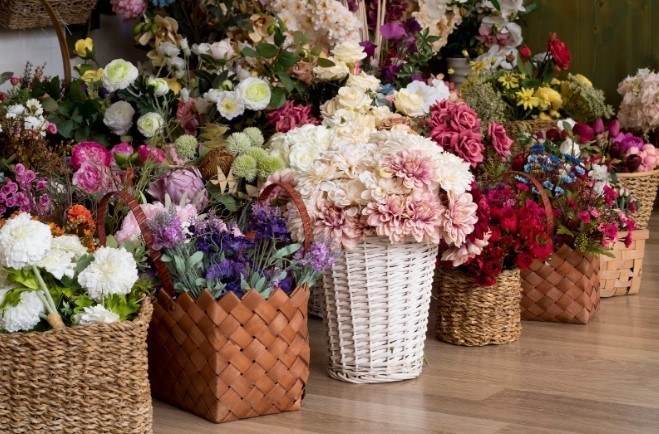
- Basket Arrangements
- Bouquets and Vase Arrangements
- Plants
- Timing: When Sympathy Flowers Should Arrive
- Common Mistakes to Avoid
- Expert Perspective on Sympathy Arrangements
- How Flowers Central Jersey Approaches Sympathy Delivery
- Practical Steps for Ordering Sympathy Flowers
- Frequently Asked Questions
- How soon should sympathy flowers be sent after a death?
- Is it ever inappropriate to send flowers instead of a donation?
- What’s the difference between a standing spray and a basket arrangement?
- Can sympathy flowers be sent directly to a private home instead of a funeral home?
- What flowers should be avoided for a traditional funeral service?
Sympathy flower delivery in New Jersey follows rules that most people only learn once, usually during the worst week of someone’s year. A wreath sent to the wrong address, a bouquet that arrives a day after the funeral, an arrangement with lilies sent to a household where someone has a severe pollen allergy — these are not hypothetical mistakes. They happen weekly across the state, and they happen because grief leaves people with little bandwidth to research etiquette, timing, or even which flowers mean what. This guide exists to close that gap, laying out exactly what to send, when to send it, and how to avoid the missteps that turn a kind gesture into an awkward one.
Flowers have carried the weight of human loss for longer than almost any other tradition still practiced today. Understanding that history, and the practical logistics of getting flowers to a New Jersey funeral home, church, or private residence on time, changes how a person approaches this task. It stops being a transaction and becomes something closer to what it always was: a quiet, physical way of saying “I am here, and I remember.”
Why Sympathy Flowers Still Matter
The custom of sending flowers after a death predates written history. Archaeologists working at the Raqefet Cave burial site in northern Israel found pollen evidence suggesting flowers were placed with the dead more than 13,000 years ago. Ancient Egyptians buried pharaohs with garlands. Greek and Roman mourners wore wreaths and laid flowers on graves as offerings to the underworld gods, a practice meant to ease the soul’s passage. By the Victorian era, flower symbolism had become so codified that an entire “language of flowers” existed — a bouquet could carry a coded message understood by anyone versed in floriography.
Modern sympathy flower delivery keeps a thinner but still meaningful version of that tradition. Fewer people know that a calla lily historically symbolizes rebirth or that rosemary once stood for remembrance, but the underlying instinct is unchanged: flowers give mourners something tangible in a moment defined by absence. A card can be read once and set aside. A flower arrangement sits in the room for days, a visible reminder that someone outside the immediate family took the time to act.
There is also a practical dimension that has nothing to do with symbolism. Funeral homes and family residences receive a concentrated wave of visitors, calls, and deliveries within 48 to 72 hours of a death. Flowers are one of the few gestures that arrive on a fixed schedule and require no response from a grieving family. Nobody expects a thank-you call for a sympathy arrangement the way they might for a home-cooked meal dropped off at the door. That low-friction quality is part of why the custom has outlasted so many others.
Understanding the Occasion Before You Order
Before choosing an arrangement, it helps to know exactly what event the flowers are for, because New Jersey funeral customs vary by setting and by the family’s wishes.
Funeral Home Viewing or Wake
Most sympathy deliveries in New Jersey go directly to the funeral home, timed to arrive before visiting hours begin. Funeral directors are accustomed to receiving flowers throughout the day preceding a viewing, and larger funeral homes in counties like Middlesex, Union, and Monmouth often handle a dozen or more deliveries for a single service. This is where a florist’s working relationship with local funeral homes matters more than most people realize — knowing which doors accept deliveries, which staff member signs for flowers, and what time the building actually opens saves hours of confusion on a day when nobody has hours to spare.
Funeral or Memorial Service
Standing sprays, casket sprays, and large arrangements typically go to the service itself rather than the wake, arriving the morning of. Timing here is unforgiving. A florist that misjudges traffic on the Garden State Parkway or the Turnpike during a Tuesday morning rush can miss the window entirely.
Repast or Family Home
Smaller, simpler arrangements, or a live plant, often go to the family’s home in the days or weeks following the service, once the initial wave of activity has passed and the house has gone quiet. This is frequently when the loss is felt most sharply, and a flower delivery arriving two or three weeks later can mean as much as one that arrived the first day.
Jewish, Muslim, and Other Faith Traditions
Not every family wants flowers. In traditional Jewish practice, flowers are often discouraged at a shiva in favor of charitable donations or food. Some Muslim and Hindu funeral customs have similar preferences. Checking the obituary or calling the funeral home before ordering avoids a well-meant gesture landing outside the family’s customs.
What Flowers Are Appropriate for Condolences
There is no single “correct” sympathy flower, but certain species have carried consistent meaning for generations, and knowing them helps a sender choose something that reads as considered rather than generic.
- White lilies — Particularly the Casablanca and Stargazer varieties, lilies are the most traditional sympathy flower in Western funeral custom, symbolizing the restored innocence of the soul. They are also the most fragrant option, which some families love and others, especially in smaller rooms, find overwhelming.
- Chrysanthemums — In much of Europe and Asia, white or pale chrysanthemums are used almost exclusively for funerals and grave decoration, never given as a cheerful gift. In the United States they are a safe, widely accepted sympathy choice, associated with truth and honesty.
- Roses — White roses signal reverence and remembrance; deep red roses can express love and respect, more often chosen by immediate family than by distant acquaintances. A dozen white roses arranged simply, without excess filler, remains one of the most requested sympathy pieces, and options like https://www.flowerscnj.com/roses/ show how a rose-based tribute can be styled for a funeral setting rather than a celebratory one.
- Carnations — Long-lasting and affordable, carnations hold up well over a multi-day viewing period, which matters in warmer months when flower longevity becomes a practical concern.
- Gladioli — Tall, dramatic spikes often used in standing sprays, symbolizing strength of character, a fitting choice for a spray honoring someone known for resilience or leadership.
- Orchids — Increasingly common as a sympathy plant rather than cut arrangement, orchids last for weeks and offer a quieter, more modern alternative to traditional funeral flowers.
- Hydrangeas — Soft, full-headed blooms that read as gentle rather than somber, popular for home deliveries rather than funeral home sprays.
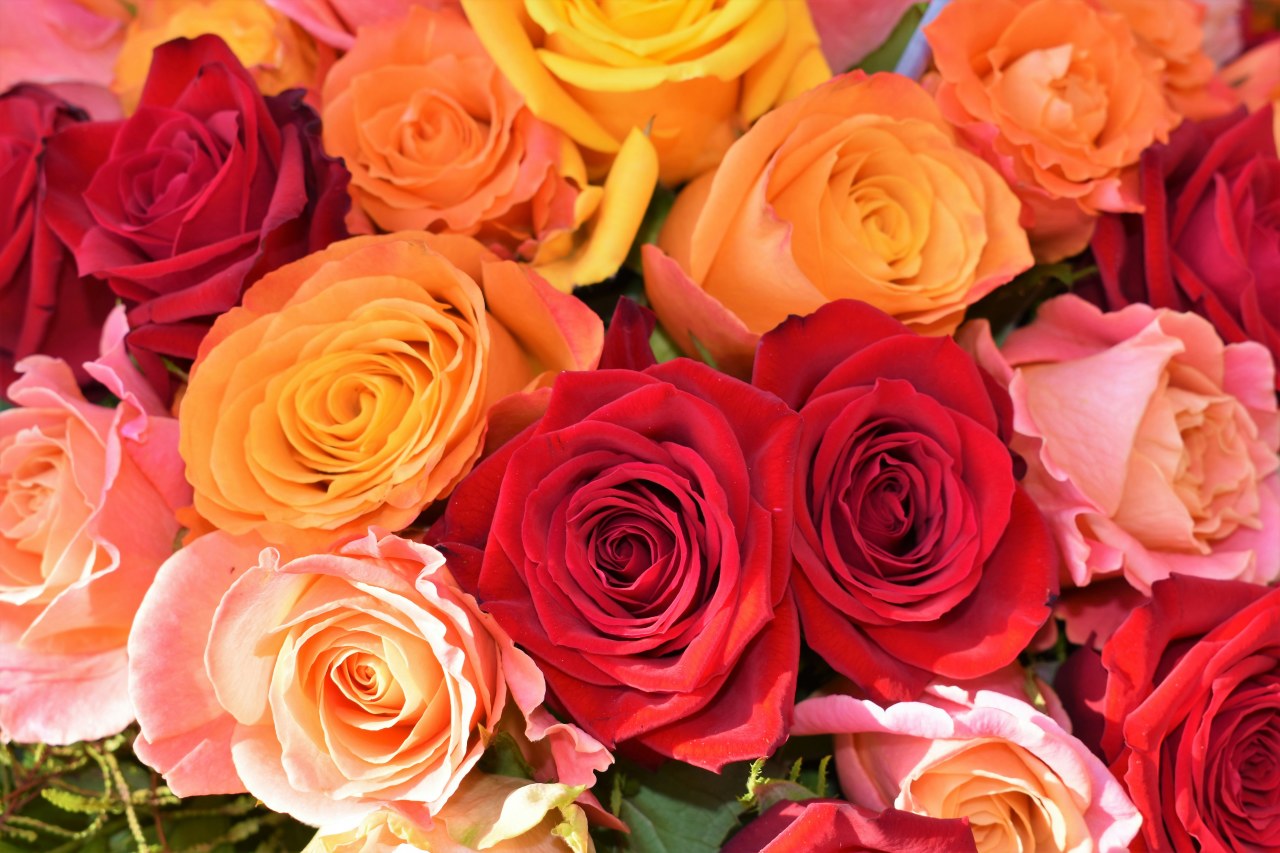
Color matters as much as species. White remains the dominant color for funeral flowers in American custom, associated with purity and peace. Soft blues, lavenders, and pale pinks have become more accepted in the last two decades as families move away from strictly formal, all-white arrangements. Bright, saturated colors like hot pink or orange are generally reserved for celebrating a life lived long and well, sometimes explicitly requested by families who want the service to feel less somber.
Arrangement Types and What Each One Signals
Standing Sprays
Tall, easel-mounted arrangements meant to be displayed at the front of a funeral home or church, typically ordered by immediate family, close friends, or coworkers representing an office. These are among the most visible pieces at a service and often the most expensive, running from roughly $150 to $350 depending on size and flower selection.
Casket Sprays
Placed directly on the casket, these are almost always ordered by immediate family only. It is considered a breach of etiquette for anyone outside the closest family circle to order a casket spray without checking first, since duplicating this piece creates an awkward logistical problem for the funeral home.
Wreaths and Hearts
Symbolic shapes representing eternal life (the circle) or love (the heart), still common in Italian-American and other traditional New Jersey communities, less common in more contemporary services.
Basket Arrangements

A practical, versatile choice, often sent by extended family, neighbors, or business associates. Baskets can go to either the funeral home or directly to the family’s residence, and they don’t require a vase, which matters when a family already has a house full of flowers needing water.
Bouquets and Vase Arrangements
The most common choice for a home delivery, these work well for expressing condolences in the days or weeks after a service, when standing sprays would feel out of place.
Plants
Peace lilies, orchids, and small potted greenery have grown in popularity because they outlast cut flowers by weeks or months, giving a grieving family something living to tend as a quiet daily ritual.
Timing: When Sympathy Flowers Should Arrive
Timing is where most sympathy flower orders succeed or fail. New Jersey funeral homes generally publish viewing hours within 24 to 48 hours of receiving an obituary, and flowers need to arrive before the first visiting hour begins, not during it. A florist that has spent years delivering to the same funeral homes across Middlesex, Somerset, and Union counties knows the informal rules each location follows — some accept deliveries as early as 8 a.m., others won’t take flowers until noon.
A simple seasonal timeline helps frame expectations for anyone unfamiliar with the process:
- Within 24 hours of hearing the news — Reach out to check the obituary or contact the funeral home directly for delivery instructions. This is the window to place the order for viewing-day flowers.
- Morning of the viewing or wake — Flowers should arrive at least one to two hours before visiting hours open, giving funeral home staff time to arrange the room.
- Morning of the funeral or memorial service — Standing sprays and casket flowers (family only) need to be in place before mourners arrive, typically 60 to 90 minutes ahead of the service start time.
- One to two weeks after the service — A smaller arrangement or plant sent to the family home acknowledges that grief doesn’t end when the flowers from the funeral wilt.
- Around the one-month or anniversary mark — Less common but deeply appreciated, a small gesture on a birthday, wedding anniversary, or the one-month anniversary of the death shows the sender hasn’t forgotten once the initial rush of attention has faded.
- Winter months (December–February) — New Jersey weather can delay deliveries; ordering with an extra half-day of buffer during snow or ice events is worth the caution.
- Late spring through summer — Heat shortens the life of cut flowers considerably; hardier choices like carnations or plants hold up better than delicate blooms in arrangements that will sit in a warm room for hours.
Same-day delivery has become an expectation rather than a luxury for sympathy occasions specifically, since the entire premise depends on flowers arriving during a narrow window that is often set with less than a day’s notice.
Common Mistakes to Avoid
Sympathy flower orders go wrong in predictable ways, and most of them are avoidable with a little forethought.
- Ordering a casket spray without checking with the family first. This is reserved for immediate family, and an outside order can create a duplicate that has to be relocated or declined at the last minute.
- Sending strongly scented flowers to a small viewing room. A dozen lilies in an already crowded, poorly ventilated space can trigger headaches or worsen allergy symptoms among mourners standing for hours.
- Missing the delivery window entirely. Flowers that arrive after visiting hours have ended, or the day after the funeral, lose most of their meaning and sometimes never make it into the room at all.
- Ignoring religious or cultural customs. Sending traditional cut flowers to a shiva, when the family follows customs that discourage them, can create an uncomfortable moment for grieving relatives who now have to decide what to do with the arrangement.
- Choosing overly bright, celebratory colors for a formal, traditional service. Bold oranges and hot pinks can read as tone-deaf at a somber, conservative funeral, even though the same colors would be welcome at a life-celebration service.
- Attaching a card message that is too casual or too long. A short, sincere line — “With deepest sympathy” or “Thinking of your family during this time” — reads better than an attempt at eloquence that ends up sounding stiff or, worse, cheerful.
- Assuming the family’s address for a home delivery without confirming it. Grieving families sometimes stay with relatives for days after a death; a delivery to an empty house wastes the gesture entirely.
Expert Perspective on Sympathy Arrangements
“People assume sympathy flowers are just a smaller, quieter version of a regular bouquet, but the design logic is completely different,” says Marianne Kessler, a certified floral designer with over twenty years of experience arranging for funeral homes across central New Jersey. “You’re not designing to be noticed. You’re designing to be a calm presence in a room where everyone is exhausted and raw. That means fewer competing colors, sturdier stems that hold up over an eight-hour viewing, and almost always avoiding anything with a very strong perfume unless the family specifically asks for it.” Kessler adds that the single most common request she receives from families is simply, “make it look peaceful,” a request that shapes nearly every choice a florist makes, from the container to the greenery filler to the ribbon color.
How Flowers Central Jersey Approaches Sympathy Delivery
Flowers Central Jersey has built its sympathy flower service around the two things that matter most in this category: timing and appropriateness. The shop works directly with funeral homes throughout the region, which means orders placed the morning of a viewing are far less likely to run into the scheduling confusion that plagues last-minute sympathy orders. Staff who answer the phone for a condolence order are trained to ask the right questions upfront — whether the flowers are going to a viewing, a service, or a private residence, whether the family has any known allergies or scent sensitivities, and whether the household follows any faith tradition that shapes what’s appropriate to send.
That attention to detail extends to arrangement design. Rather than pushing a single “sympathy bouquet” template, the design team adjusts size, color palette, and container style based on where the flowers are headed and who is sending them — a coworker’s basket looks different from a grandchild’s bouquet, and it should. As a new jersey florist delivery service with deep local roots, the shop understands the specific geography of the region: which funeral homes are in Edison, which are further out toward the Shore, and how traffic patterns on a given weekday morning affect whether an order needs to go out an hour earlier than usual.
Same-day options are built into the ordering process specifically because sympathy occasions rarely allow more than a few hours of lead time. Anyone searching for sympathy flower delivery in central New Jersey will find a dedicated ordering path built around this urgency, rather than a generic bouquet page repurposed for a different occasion. That distinction matters more than it might seem — a florist that treats a condolence order with the same workflow as a birthday bouquet is far more likely to miss the details that make a sympathy delivery land correctly.
Practical Steps for Ordering Sympathy Flowers
- Confirm the details first. Check the obituary, funeral home website, or call directly to find viewing hours, service time, and whether the family has requested flowers or asked for donations instead.
- Decide where the flowers should go. Funeral home, church, family residence — each has a different timing requirement and a different appropriate arrangement style.
- Choose a style that matches your relationship to the deceased. Close family typically sends larger standing sprays or the casket spray; coworkers and acquaintances usually send baskets or moderate bouquets; distant friends might opt for a home delivery days later instead of competing with funeral-day arrangements.
- Select flowers with the room and season in mind. Ask about scent strength if the viewing space is small, and consider hardier blooms during summer months.
- Write a brief, sincere card message. Simplicity outperforms elaborate language every time in this context.
- Place the order with enough lead time for same-day or next-morning delivery. Confirm the delivery address and recipient name directly with the florist, especially for a private residence where the grieving family may not be staying full-time.
- Consider a second gesture later. A small delivery two or three weeks after the funeral, when the flood of initial support has faded, often means more than people expect.
Frequently Asked Questions
How soon should sympathy flowers be sent after a death?
Ideally within the first 24 to 48 hours, timed to arrive before the wake or viewing begins. If that window is missed, flowers sent within a week of the service, or even sent to the family home a few weeks later, are still appropriate and often welcomed just as warmly.
Is it ever inappropriate to send flowers instead of a donation?
Yes, when the obituary specifically requests donations “in lieu of flowers,” typically for a charity or cause meaningful to the deceased. In those cases, sending a small personal note along with the donation is more appropriate than flowers, though a modest bouquet sent later to the family’s home is generally still acceptable.
What’s the difference between a standing spray and a basket arrangement?
A standing spray is a tall, easel-mounted design displayed prominently at a funeral home or church, usually ordered by immediate family or very close relations. A basket arrangement is smaller, sits on a table or the floor, and is a common, versatile choice for coworkers, neighbors, and extended family.
Can sympathy flowers be sent directly to a private home instead of a funeral home?
Yes, and this is often the better option for anyone learning of the death after the funeral has already taken place, or for those who want to acknowledge the loss weeks or months later. Confirming the family is currently at that address before ordering avoids a wasted delivery.
What flowers should be avoided for a traditional funeral service?
Extremely bright, celebratory colors like hot pink, orange, or multicolor mixed bouquets are generally best avoided for a formal, traditional service, since they can read as mismatched with the tone of the room. These colors are far more appropriate for a life-celebration memorial where the family has explicitly requested a brighter, less somber atmosphere.
