Pasadena Rose Parade flower facts
Contents:
- Quick Answer: What Flowers Are Used in the Pasadena Rose Parade?
- The Science Behind Parade-Perfect Blooms
- How Do They Keep These Flowers Fresh?
- Where Do All These Flowers Come From?
- International Sourcing
- Petal Power: Surprising Numbers and Logistics
- 22 Million Flowers, 5 Days, Hundreds of Volunteers
- Rules, Innovation, and the Art of Floristry
- Why Are Only Natural Materials Allowed?
- 3D Floristry
- Flower Trends: What’s New in the 2026 Parade?
- Trending Colors & Varieties
- Popular US Floristry Influences
- Behind the Scenes: Volunteering and the “Petal Pushers”
- Who Are the Petal Pushers?
- Flowers and Floristry: Rose Parade FAQ
- How many flowers are used in the Pasadena Rose Parade each year?
- Are all Rose Parade floats made entirely of real flowers?
- Which rose varieties are most popular for the parade floats?
- Can anyone volunteer to help decorate a Rose Parade float?
- Where can I see Rose Parade-inspired floral arrangements year-round?
- Ready for Your Own Rose Parade Moment?
Pasadena Rose Parade Flower Facts: The Blooms Behind the Magic
You can smell it before you see it. On New Year’s Day, Colorado Boulevard in Pasadena isn’t just a street. It’s a fragrant, jaw-dropping runway for 22 million flowers–each painstakingly glued, pinned, and placed onto floats. The Rose Parade isn’t merely a show; it’s a living, rolling mosaic of the world’s most astonishing floral artistry.
Quick Answer: What Flowers Are Used in the Pasadena Rose Parade?
Every float in the Pasadena Rose Parade is covered completely in natural materials–no exceptions. The stars of the show are fresh roses (sometimes over 100,000 per float), chrysanthemums, carnations, orchids, and lilies. Dried materials like statice, strawflower, and seeds fill in texture and detail work. All surfaces must be naturally plant-based, and the most-used flowers for 2026 are:
- Roses: Over 700,000 stems parade-wide, in dozens of varieties and colors.
- Chrysanthemums: The go-to for mass coverage, with bold yellows and whites.
- Carnations: Dense, bright, and perfect for detailed shape work.
- Orchids & Lilies: Used for drama and focal accents.
- Dried flowers and seeds: Statice, strawflower, split peas, onion seed for intricate patterns.
“Every float is a puzzle–every single inch must be alive with nature,” says Dina Morales, Lead Florist for Fiesta Parade Floats, which has won multiple Sweepstakes Awards since 2010.
The Science Behind Parade-Perfect Blooms
How Do They Keep These Flowers Fresh?
Pasadena’s climate isn’t always forgiving in January. Florists face a genuine feat: keeping millions of delicate petals vibrant for over 72 hours.
Hydration Tactics
- Roses and Large Flowers: Each stem is inserted into individual water vials (called “picks” in the industry), which keeps them hydrated for the parade and TV broadcasts.
- Mass Coverage (Chrysanthemums, Carnations): Some flowers are “floral glued” onto sponge-like foam that holds water, a technique that’s both time-consuming and crucial for longevity.
- Dried Plant Material: Used for small details and areas exposed to the sun, since they won’t wilt.
Lisa Tran, a parade veteran and horticulturist (American Institute of Floral Designers), estimates that “90% of the float’s live flowers are installed in the final 24 hours before the parade.”
Temperature Control
- Cold storage trailers line up near the float barns.
- Crates of blooms stay at 33-38°F until hours before showtime.
Where Do All These Flowers Come From?
Float designers order flowers from around the globe but also rely on California farms. In 2026, 60% of blooms came from California growers–especially Petaluma and Carpinteria for roses and lilies.
International Sourcing
| Flower | Main Sourcing Region | Typical Usage |
|---|---|---|
| Roses | Ecuador, California | Float coverage, accents |
| Orchids | Thailand, Hawaii, CA | Feature elements |
| Chrysanthemums | California, Colombia | Base color, texture |
| Lilies | California, Chile | Focal points |
Fact: Florists negotiate contracts up to two years in advance–rare colors and shapes are reserved early for signature floats.
Petal Power: Surprising Numbers and Logistics
22 Million Flowers, 5 Days, Hundreds of Volunteers
- 22 million blooms grace the Rose Parade in 2026.
- 935 volunteers wrapped, glued, and placed every petal at float barns in Pasadena and Irwindale.
- Top float budgets: $300,000-$400,000 (excluding labor), with 30-40% spent on flowers alone.
“No parade on earth can match our sheer volume and variety of flowers,” boasts parade historian Greg Santos, author of Pasadena in Bloom.
Top 5 Most Common Flowers (2026 Parade)
- Roses (assorted hybrid teas, spray, and floribunda types)
- Chrysanthemums (especially white ‘Snowball’ and yellow ‘Seaton’s Shining Star’)
- Carnations (variegated pinks, reds, and whites)
- Gerbera daisies
- Dendrobium orchids
Rules, Innovation, and the Art of Floristry
Why Are Only Natural Materials Allowed?
Since 1890, Rose Parade rules demand that every inch of every float be covered with natural materials–flowers, leaves, bark, seeds, or grasses.
This leads to wild creativity:
- Onion seeds make deep blacks for outlines and shadows.
- Split peas create smooth, grassy greens.
- Coconut flakes become snowy landscapes.
- Blue statice brings vivid skies and ocean waves.
In 2026, floats use eco-friendly adhesives and compostable foam–an industry first, per Diana Yu, Sustainability Director at Paradiso Floats Company.
3D Floristry
Modern floats aren’t just flat surfaces. They use welded steel sculptures layered with foam, then built up with floral “fur” and petals for texture. Some floats even include animatronics–imagine a giant flower opening mid-parade, each petal covered in thousands of live blooms.
Flower Trends: What’s New in the 2026 Parade?
Trending Colors & Varieties
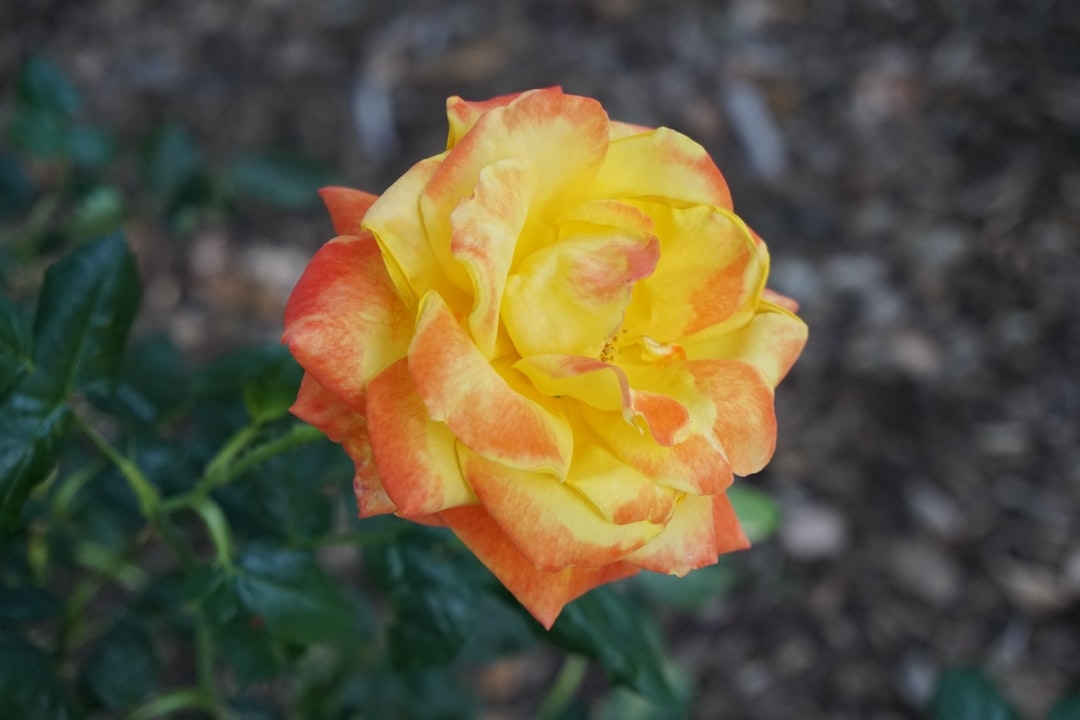
- Pantone’s Color of the Year: Floats now frequently match the annual Pantone color. For 2026, “Pacific Coral” (a vibrant orangey-pink) pops up in roses and gerber daisies across multiple entries.
- Drought-Resistant Florals: Designers increasingly use succulents (like Echeveria and Sedum) that withstand wild swings in temperature.
Popular US Floristry Influences
Florists from FTD and Teleflora, familiar to everyday flower-shoppers, often serve as creative consultants for major floats. The parade drives demand for exotic flowers–domestic sales of red “Freedom” roses, for example, rise 10% in January according to 2026 Nielsen market data.
Behind the Scenes: Volunteering and the “Petal Pushers”
Who Are the Petal Pushers?
The nickname “Petal Pushers” applies to the thousands of volunteers (and some pros) who descend on float barns each December.
Volunteer Life
- Many volunteers return for decades–the record is 43 consecutive parades for Pasadena local Sylvia Jimenez.
- Duties range from gluing seeds with tweezers to pressing lilies into foam in the freezing early morning.
List: What Makes a Great Parade Volunteer?
- Patience and a steady hand
- Ability to work 10+ hour shifts (with coffee breaks)
- No floral experience needed, but a love of flowers is a plus!
Flowers and Floristry: Rose Parade FAQ
How many flowers are used in the Pasadena Rose Parade each year?
In 2026, over 22 million flowers are used to decorate the floats, making the Rose Parade the largest annual use of fresh-cut blooms in the United States.
Are all Rose Parade floats made entirely of real flowers?
Yes. Rose Parade regulations require that every visible inch of each float be covered with natural, organic material, including flowers, leaves, seeds, and bark.
Which rose varieties are most popular for the parade floats?
Hybrid tea roses, floribunda, and spray roses are the most commonly used, with modern favorites like ‘Freedom’ (deep red), ‘Vendela’ (ivory), and ‘Tiffany’ (pink) in high demand for 2026.
Can anyone volunteer to help decorate a Rose Parade float?
Absolutely. While many volunteers come from nearby schools and clubs, visitors from across the U.S. can sign up through organizations like the Petal Pushers or directly with float builders–no prior floral experience required.
Where can I see Rose Parade-inspired floral arrangements year-round?
Many Pasadena florists offer Parade-inspired bouquets, and US-wide delivery services (like 1-800-Flowers and UrbanStems) feature special New Year’s rose assortments each January.
Ready for Your Own Rose Parade Moment?
Don’t just watch the magic–experience it. Whether that means signing up to volunteer, visiting Pasadena’s post-parade float showcase, or ordering a parade-inspired bouquet for your home, there are plenty of ways to bring a little Rose Parade floral artistry into your own new year. Want to master parade-style floristry? Many US florists now offer workshops in “float flowers”–just in time for next year’s festivities.
The Rose Parade isn’t just a tradition; it’s a living example of what happens when passion, creativity, and millions of petals come together to create something unforgettable.

Related Posts
Dried bouquet brands worth the splurge
The case for buying American-grown flowers