Flowers that look expensive but are actually cheap
Contents:
- Which Cheap Flowers Look Expensive? (Quick-Scan Guide)
- Why Some Blooms Look Luxe on a Budget
- Layered Petals and Full Shapes
- Unique Colors and Bold Hues
- Longevity Equals Value
- Carnations: The Ultimate Budget Luxe Flower
- Carnations’ Bad Rap–And Why It’s Wrong
- Styling Tip:
- Alstroemeria: Exotic Impact, Everyday Price
- Why Alstroemeria Looks Expensive
- Quick Arrangement Idea
- Lisianthus: Rose’s Elegant (and Affordable) Cousin
- Table: Lisianthus vs. Roses (2026 Prices, US Market)
- Chrysanthemums, Mums, and Disbuds: Textural Powerhouses
- Why Mums Feel Expensive
- Insider’s Trick
- Stock, Statice, and Waxflower: Fragrance, Filler, and Fine Detail
- Stock: Luxe Fragrance for Less
- Statice and Waxflower: The Florist’s Affordable Filler
- Tulips and Snapdragons: Simple, Modern Luxury
- Tulips: All-Season Elegance
- Snapdragons: Vertical Drama, Year-Round
- The Art of Arranging Cheap Flowers to Look Expensive
- Color Blocking and Monochrome Palettes
- Odd Numbers and Grouping
- Vase Selection
- Foliage and Negative Space
- Table: Cheap Flowers vs. Premium Flowers (2026 US Market)
- Pulling It All Together: Example Bouquets Under $20
- Frequently Asked Questions
- What is the cheapest flower that looks expensive?
- Which flowers last the longest in a bouquet?
- Are grocery store flowers as nice as florist flowers?
- How can I make cheap flowers look more expensive?
- Where can I buy affordable but beautiful flowers in the US?
Flowers That Look Expensive But Are Actually Cheap
A stunning bouquet doesn’t have to come with a heart-stopping price tag. Walk into any upscale florist in New York or L.A., and you’ll see jaw-dropping arrangements with luxuriously dramatic shapes and colors–some ringing up at $150 or more. But here’s a secret insiders know: many high-end “wow” bouquets use affordable blooms, artfully chosen and arranged. The trick is knowing which flowers look high-end but let you keep your wallet happy.
Which Cheap Flowers Look Expensive? (Quick-Scan Guide)
For fast inspiration, here’s a handy list of flowers that look expensive but won’t drain your bank account when you buy them by the bunch:
- Carnations: Big, ruffled, and available in nearly every color.
- Alstroemeria (Peruvian Lily): Exotic spotted petals, long-lasting.
- Chrysanthemums (Mums): Textured, dramatic, and long-stemmed.
- Lisianthus: Soft, layered, rose-like blooms.
- Stock: Tall spikes, luxurious fragrance.
- Spray Roses: Smaller, lush clusters; classic look for less.
- Statice and Limonium: Airy, papery filler with a wildflower vibe.
- Tulips: Simple, elegant lines, especially in big bunches.
- Snapdragons: Vertical drama, affordable even in fall/winter.
- Waxflower: Tiny, waxy blossoms for a delicate touch.
“You can create a $75-looking bouquet for less than $20, just by mixing carnations and lisianthus, then using fillers like statice or waxflower,” says Jasmine Hull, Lead Designer at Petal Theory, Chicago.
Why Some Blooms Look Luxe on a Budget
Appearances can mislead. Certain flowers carry an “expensive” aura due to their shape, petal count, or color vibrancy–but are actually among the most budget-friendly. Here’s how they pull off the high-end illusion:
1. Layered Petals and Full Shapes
Flowers with lush, multi-layered petals (think carnations, lisianthus, or chrysanthemums) mimic the look of classic premium blooms like peonies and garden roses. Their fullness fills arrangements with visual impact.
2. Unique Colors and Bold Hues
Dramatic colors–deep burgundy, rich purple, or snowy white–signal luxury to the eye. Many affordable varieties, from tulips to alstroemeria, come in these “designer” shades.
3. Longevity Equals Value
Long-lasting blooms like alstroemeria, mums, and stock hold up for 7-14 days in a vase. This not only saves money but keeps arrangements looking fabulous the whole week.
Carnations: The Ultimate Budget Luxe Flower
Carnations’ Bad Rap–And Why It’s Wrong
Carnations got labeled “cheap” in the 1980s and 1990s when mass-produced, mono-color versions filled gas station coolers. Fast forward to 2026: high-end designers use ruffled, bi-colored, and antique-toned carnations for weddings, hotel lobbies, and magazine photoshoots.
- Cost: Around $7.99-$12.99 per dozen at US grocery stores (Trader Joe’s, Whole Foods).
- Longevity: Up to 3 weeks with regular water changes.
- Colors: ‘Moondust’ purple, classic white, deep claret, pale peach.
Florist Emily Sato, owner of Brooklyn’s Marigold Lane, explains, “A clustered bunch of dusty lavender carnations can look like $50 peonies if you air them out and mix in eucalyptus.”
Styling Tip:
Cluster carnations in groups of three or five, and pair with eucalyptus or ruscus for a modern, airy arrangement. Trim stems at sharp angles to maximize water uptake.
Alstroemeria: Exotic Impact, Everyday Price
Alstroemeria–often called Peruvian lily or lily of the Incas–carries the wild, speckled look of pricier exotics but is commonly $5.99-$9.99 per bunch at supermarkets.
Why Alstroemeria Looks Expensive
- Texture: Multicolored petals with dark, intricate markings.
- Volume: Each stem boasts 4-6 flowers, so a small bundle looks full.
- Color Range: Bright sunset tones, blushing pinks, snowy white, deep red.
This flower lasts a full two weeks in water. In 2026, US florists love using alstroemeria as a substitute for orchids in mixed arrangements.
Quick Arrangement Idea
Line a low glass vase with lemon slices, fill with water, then add 8-10 stems of white alstroemeria for a chic, spa-inspired centerpiece.
Lisianthus: Rose’s Elegant (and Affordable) Cousin
Lisianthus blooms echo the soft curves of garden roses but at a fraction of the cost, usually $8-$12 per bunch at wholesalers.
- Shape: Layers of silky petals, sometimes with a double bloom.
- Colors: Whites, violets, blush, chartreuse, and bicolors.
- Availability: Grown in California and South America, available year-round in the US.
Florist Anne Raymond, Certified Floral Designer since 2012, shares: “Lisianthus in glass vases provide instant sophistication. Their stems arch and drape just like English garden roses.”
Table: Lisianthus vs. Roses (2026 Prices, US Market)
| Flower | Avg. Price/Dozen | Vase Life | Visual Style |
|---|---|---|---|
| Lisianthus | $15 | 10-14 days | Soft, romantic |
| Garden Rose | $45 | 4-7 days | Lush, romantic |
Chrysanthemums, Mums, and Disbuds: Textural Powerhouses
Mums come in hundreds of shapes–from pompon to daisy to big “football” or “disbud” types–and thrive almost everywhere in the US.
Why Mums Feel Expensive
- Size: Some single blooms can be 5 inches wide.
- Petal Texture: Dense frills, “quilled” petals, or spidery shapes mimic designer Japanese varieties.
- Season: Available year-round, with huge US harvests in fall.
Supermarkets like Publix, Kroger, and Sprouts regularly stock colorful mixed mum bunches for $6-$10.
Insider’s Trick
Mix gold or chartreuse disbuds with white mini-mums and a stem of eucalyptus for an arrangement that looks straight out of an editorial.
“Disbud mums are my secret weapon for corporate clients. They look artful, last two weeks, and cost a third what dahlias do,” says Tom Lee, owner of Atlanta’s Urban Stem Studio.
Stock, Statice, and Waxflower: Fragrance, Filler, and Fine Detail
Stock: Luxe Fragrance for Less
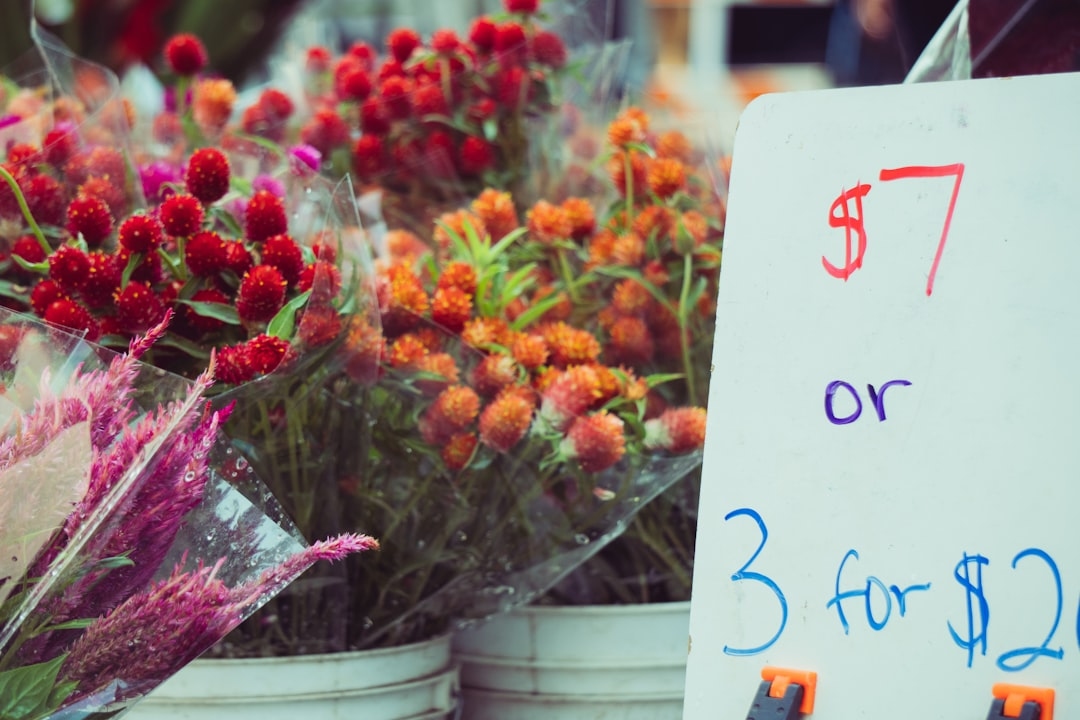
Stock, with its spires of densely clustered petals and rich, spicy scent, can elevate any bouquet.
- Price: About $10 per bunch (6-10 stems) at florists or Trader Joe’s.
- Best for: Tall, elegant vases or as the backbone of a mixed “garden style” arrangement.
- Fun fact: Stock is a top pick in wedding work for its romantic look.
Statice and Waxflower: The Florist’s Affordable Filler
Both statice and waxflower are used in chic, “wild” bouquets–but their per-stem price is often under $1.
- Statice: Papery, cloud-like, comes in purples, whites, and yellows.
- Waxflower: Tiny, five-petaled blooms on woody stems, lightly scented, often pink or white.
Together, they lend texture and depth–without bumping up the tab.
Tulips and Snapdragons: Simple, Modern Luxury
Tulips: All-Season Elegance
A bunch of twenty tulips, unadorned in a wide cylinder vase, is a minimal designer move. Prices range $8-$14 for a 10-stem bunch (Costco, Safeway, local flower markets).
- Pro tip: Allow tulips to “relax” and curve naturally; the movement looks expensive.
Snapdragons: Vertical Drama, Year-Round
Snapdragons’ height creates drama in mixed bouquets. At $1-$1.50 per stem, they’re one of the cheapest ways to add structure.
- Colors: Crisp whites, peaches, roses, and even deep reds.
- Longevity: 7-10 days, making them a great value.
The Art of Arranging Cheap Flowers to Look Expensive
Color Blocking and Monochrome Palettes
Arrangements in a single tone–like all white, or blush and mauve–scream sophistication. Cheap flowers seem more expensive when grouped by color.
Odd Numbers and Grouping
Professional designers bunch flowers in groups of 3, 5, or 7. This creates eye-pleasing clusters, making sparse arrangements look fuller.
Vase Selection
Glass, ceramic, or matte black vases add an upscale edge. Even a $6 bunch from Safeway looks luxe in a modern cylinder.
Foliage and Negative Space
Don’t fill every inch with flowers. Eucalyptus, olive branches, or ferns create a “high-end florist” vibe for a couple of bucks.
Table: Cheap Flowers vs. Premium Flowers (2026 US Market)
| Category | Example | Avg. US Price/Dozen | Vase Life | Expensive-Looking? |
|---|---|---|---|---|
| Cheap, Luxurious | Carnations | $9 | 14-21 days | Yes |
| Alstroemeria | $8 | 10-14 days | Yes | |
| Lisianthus | $15 | 10-14 days | Yes | |
| Tulips | $10 | 5-7 days | Yes | |
| Premium | Garden Roses | $45 | 4-7 days | Yes |
| Peonies | $60 | 3-5 days | Yes | |
| Orchids | $40 | 14+ days | Yes |
Pulling It All Together: Example Bouquets Under $20
- Modern White: White carnations (6), stock (4), waxflower (3), eucalyptus ($17 total at Trader Joe’s)
- Wild Berry: Purple mums (4), alstroemeria (3), statice (3), snapdragon (3), greenery ($19 at Kroger)
- Spring Pastel: Pink tulips (10), lisianthus (3), fern ($18 at Safeway)
Frequently Asked Questions
What is the cheapest flower that looks expensive?
Carnations are the cheapest flower that reliably looks expensive. Available in many “designer” shades and with lush, ruffled petals, they can mimic high-end blooms like peonies or garden roses when arranged thoughtfully.
Which flowers last the longest in a bouquet?
Alstroemeria, chrysanthemums (mums), and carnations all last about 10-21 days in a vase with fresh water and regular stem trimming, outlasting many premium blooms.
Are grocery store flowers as nice as florist flowers?
Yes, many grocery stores in the US (Trader Joe’s, Whole Foods, Safeway) source from the same growers as florists. The difference is often in variety selection and arrangement style, not quality.
How can I make cheap flowers look more expensive?
Group flowers in odd numbers, use monochrome or color-blocked palettes, and add texture with affordable fillers like eucalyptus, statice, or waxflower. The right vase helps, too–choose simple glass or ceramic containers.
Where can I buy affordable but beautiful flowers in the US?
Top US retailers for affordable blooms include Trader Joe’s, Costco, Kroger, Safeway, and local farmer’s markets. Online, try Bouqs or UrbanStems for budget-friendly, stylish options.
Feeling inspired? Next time you need a bouquet, skip the premium price tags. Mix and match these affordable, chic blooms for desk corners, dinner tables, or last-minute gifts. Not only will your flowers look like a million bucks, but the secret to their “expensive” appeal will be yours alone. Try your hand at a $20 arrangement–your home will thank you.

Related Posts
Dried bouquet brands worth the splurge
The case for buying American-grown flowers