Edible flower salads design
Contents:
- What Is Edible Flower Salads Design? (Quick Answer)
- Why Edible Flowers? Beyond Pretty Plates
- The Dos and Don’ts: Safe Flower Selection
- Top Edible Flowers for US Salads
- Flowers to Avoid (US Common Poisons)
- Designing Your Salad: Color, Texture, and Balance
- Color Theory for the Salad Bowl
- Texture Matters
- Taste Pairings
- “Flower Forward” Arranging Tips
- Sourcing Edible Flowers in the US (2026)
- Storage and Prep: Keeping Blooms Fresh
- Edible Flower Salad Ideas for Every Season
- Spring: Wild Green & Violet Salad
- Summer: Tropical Nasturtium Rainbow
- Fall: Marigold & Roasted Beet Beauty
- Winter: Citrus & Herbal Blossom Salad
- Pull Quote
- Edible Flower Salads vs. Traditional Salads: What’s Different?
- Beyond Greens: Other Edible Flower Salad Components
- FAQ
- What are the best edible flowers for salads in the US?
- Are all flowers safe to eat in salads?
- How long do edible flowers last in the fridge?
- Are edible flower salads more nutritious than regular salads?
- Can I use flowers from my yard for salads?
Edible Flower Salads Design: Turning Your Bowl Into a Botanical Work of Art
A handful of fresh violets and peppery nasturtiums can do more than decorate a cake–they can reimagine your next salad as an edible masterpiece. Flower-forward salads aren’t just a trend seen in glossy magazines and fine-dining menus. In 2026, they’re popping up at local farm-to-table restaurants, urban farmer’s markets from Portland to Miami, and on Instagram feeds devoted to American home cooking. Warm, aromatic, and vibrantly colored, edible flowers are changing the rules of salad design–one petal at a time.
What Is Edible Flower Salads Design? (Quick Answer)
Edible flower salads design is the art and practice of intentionally selecting, arranging, and combining safe-to-eat flowers with leafy greens, vegetables, and other salad elements for both flavor and aesthetic appeal. This culinary floristry considers color, texture, taste, and seasonality to transform a standard salad into a visually stunning and tastefully balanced dish.
- Only certain flowers are edible–always source from organic growers or reputable markets.
- Florists and chefs often choose blooms for their color palette, shape, aroma, and how their flavors (peppery, sweet, citrusy, etc.) enhance the salad.
- Common edible flowers in the US include nasturtiums, pansies, violets, borage, calendula, and chive blossoms.
Why Edible Flowers? Beyond Pretty Plates
A 2025 Nielsen survey found that 39% of US consumers are seeking “adventurous flavors and colors” in their meals–edible flowers fit the bill beautifully. But their appeal goes far beyond visual drama.
- Flavor complexity: Flowers like chive blossoms or arugula flowers bring sharp, spicy, or subtly sweet notes that can balance or lift the entire salad.
- Nutritional perks: Research led by Dr. Anna Park, a horticultural nutritionist at Cornell, shows that many edible flowers (calendula, nasturtium, hibiscus) are rich in vitamin C, antioxidants, and even trace minerals. For instance, ¼ cup of nasturtium petals can provide up to 18% of your daily vitamin C.
- Aromatherapy on a plate: The scent of violets or roses in a salad isn’t just pleasant–it can subtly affect mood and appetite, according to the American Botanical Council.
“The right edible flowers don’t just look good–they turn salads into immersive sensory experiences,” says Nathaniel Song, head floral chef at Brooklyn’s Wild Root.
The Dos and Don’ts: Safe Flower Selection
Not all blooms belong in your salad bowl. Edible flower salads design starts with informed sourcing.
Top Edible Flowers for US Salads
- Nasturtiums: Vibrant, peppery, and commonly found in American gardens. Great for kids thanks to their mild heat.
- Pansies & Violas: Mildly sweet, excellent for color; popular in restaurant salads.
- Borage: Cucumber-like flavor; blue star-shaped blossoms add a pop.
- Calendula (Pot Marigold): Slightly spicy, orange-yellow petals.
- Chive Blossoms: Oniony, purple pom-poms.
- Squash Blossoms: Subtle and tender, with a delicate texture.
- Herb flowers: Basil, cilantro, and dill flowers offer nuanced versions of their parent herb.
Flowers to Avoid (US Common Poisons)
| Avoid in Salads | Reason |
|---|---|
| Foxglove | Highly toxic |
| Oleander | Deadly if ingested |
| Daffodils | Can cause nausea, vomiting |
| Morning Glory | Psychoactive compounds |
| Azalea/Rhododendron | Grayanotoxins (toxic) |
Where to Buy: Only purchase edible flowers from stores like Whole Foods, Trader Joe’s, or dedicated floral farms that label blooms “culinary grade.” Never use flowers from florists, roadsides, or flower shops–commercial flowers are often treated with pesticides unsafe for food.
Designing Your Salad: Color, Texture, and Balance
A truly stunning edible flower salad is about more than sprinkling petals on top. Think in terms of composition–like a florist with flavor as the canvas.
Color Theory for the Salad Bowl
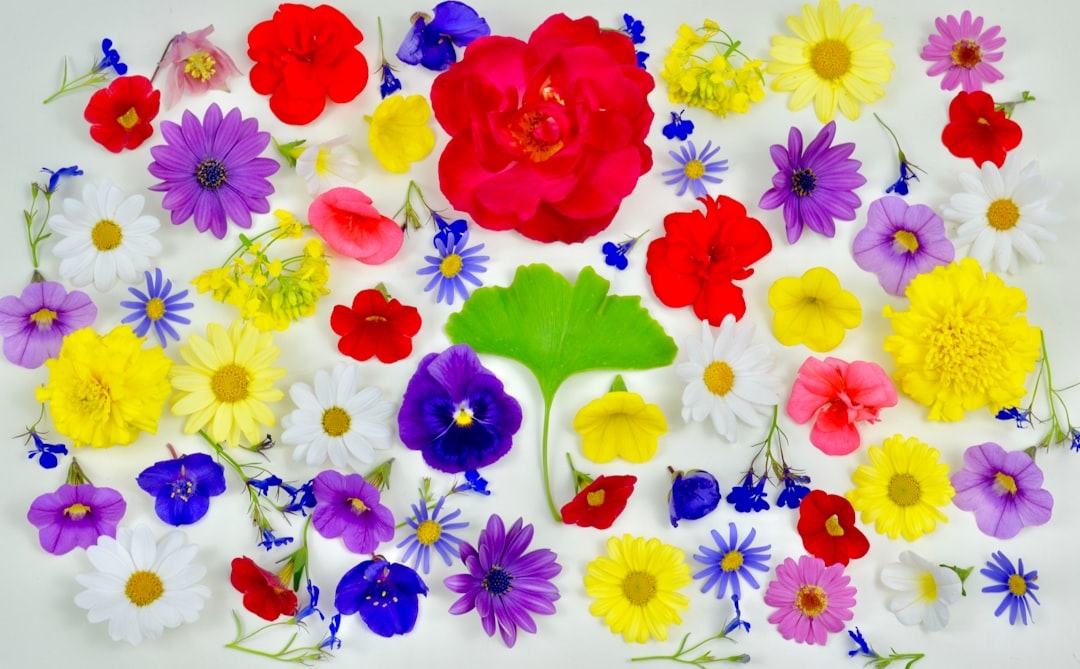
Florists (and chefs) follow basic color theory. Contrasting colors–orange marigold petals against deep green spinach, purple borage on crisp endive–draw the eye. Harmonious tones, such as pink rose petals with blushing watermelon radish, create a soft, romantic feel.
Texture Matters
Petal shapes and textures add dimension. Chive blossoms are fluffy, marigold petals linear and feathery, nasturtiums broad and almost succulent. Mix and match:
- Feathery: Dill flowers, fennel pollen
- Substantial: Squash blossoms, nasturtium leaves
- Papery: Rose petals, calendula
Taste Pairings
Each flower brings a signature taste. Balance is key.
| Flower | Flavor Notes | Salad Pairings |
|---|---|---|
| Nasturtium | Peppery, sweet | Arugula, citrus segments, goat cheese |
| Borage | Fresh, cucumber | Watercress, shaved celery, feta |
| Violet | Sweet, floral | Butter lettuce, pecans, strawberries |
| Calendula | Mildly spicy, tangy | Mixed greens, roasted beets, walnuts |
| Chive Blossom | Onion, savory | Potato salad, green beans, bacon bits |
“Flower Forward” Arranging Tips
- Cluster smaller flowers (violas, borage) in groups for bold impact.
- Tuck squash blossoms or nasturtiums at the side, partially under leaves, as a natural focal point.
- Use edible herb flowers as a “scatter” for aromatic lift.
“I always tell my students: arrange flowers as if you’re making a tiny bouquet in every bowl,” advises Susan Leigh, floral educator at the Chicago Botanic Garden.
Sourcing Edible Flowers in the US (2026)
Demand for culinary blooms is blooming (pun intended). US-based flower farms like Gourmet Sweet Botanicals (California), Chef’s Garden (Ohio), and Petit Jardin (New York) offer overnight shipping of fresh edible flowers. Expect to pay $7-$18 per 25-bloom tray, depending on seasonality and rarity.
Farmers’ markets are reliable if you know your local growers. Ask for organic certification and “edible-tested” status–meaning flowers are grown for consumption, not just display.
Quick tip: In home gardens, plant nasturtiums, violas, and calendula by seed for non-stop summer harvesting.
Storage and Prep: Keeping Blooms Fresh
Edible flowers are as fragile as they are beautiful.
- Store unwashed blooms in a sealed container lined with damp paper towel in the fridge–most last 2-4 days.
- Wash gently by dipping in cold water; dry on a towel before use.
- Remove bitter stamens and green calyx if present.
- Use flowers just before serving to maintain crispness and color.
Edible Flower Salad Ideas for Every Season
Boring salads have met their match. Here are four chef-approved edible flower salad designs, each tuned to a US growing season.
Spring: Wild Green & Violet Salad
- Baby spinach, mache, pea shoots
- Sprinkling of sweet violets, pansies, and chive blossoms
- Lemon-honey vinaigrette
Summer: Tropical Nasturtium Rainbow
- Arugula, rainbow chard, sliced peaches
- Nasturtium petals, borage flowers, basil flowers
- Toasted pepitas, goat cheese
Fall: Marigold & Roasted Beet Beauty
- Roasted golden and red beets on mixed greens
- Calendula petals, sage flowers, fennel fronds
- Crumbled blue cheese, candied walnuts
Winter: Citrus & Herbal Blossom Salad
- Endive, frisée, blood orange segments
- Chive blossoms, rosemary flowers, microgreens
- Sherry-shallot dressing
Pull Quote
“A well-designed edible flower salad isn’t just food–it’s a microcosm of the entire season, served on a plate.” – Nathaniel Song, Wild Root
Edible Flower Salads vs. Traditional Salads: What’s Different?
| Aspect | Traditional Salads | Edible Flower Salads |
|---|---|---|
| Visual impact | Greens dominate; color from veg | Petals create vibrant, painterly look |
| Flavor profile | Predictable (leafy, tangy, etc.) | More complex: floral, spicy, herbal |
| Nutritional profile | Standard vitamins, minerals | Adds antioxidants, vitamin C, phytonutrients |
| Ingredient cost | $2-$5 per serving | $4-$10 per serving, depending on flowers |
| Prep time | 5-7 min for basic; 10+ with toppings | 10-15 min to arrange flowers |
| Experience | Familiar, homey | Sensory, artistic, novel |
Beyond Greens: Other Edible Flower Salad Components
Flowers aren’t just for green salads. Try them in:
- Grain salads: Farro with marigold and feta
- Fruit salads: Strawberries, mint, and violet petals
- Composed salads: Caprese with basil flowers and heirloom tomatoes
Tip: Freeze viola or borage blossoms in ice cubes for the ultimate spring salad bowl chiller.
FAQ
What are the best edible flowers for salads in the US?
Nasturtiums, pansies, violas, borage, calendula, chive blossoms, and squash blossoms are widely available and generally safe in the US. Always buy culinary-grade, organically grown blooms.
Are all flowers safe to eat in salads?
No. Only specific flowers are edible. Many common garden flowers (like foxglove, lily-of-the-valley, and oleander) are toxic. Stick with flowers from reputable suppliers or those listed as safe by trusted sources.
How long do edible flowers last in the fridge?
Most edible flowers will stay fresh for 2-4 days if stored in a sealed container lined with damp paper towel in the refrigerator. Use as soon as possible for best color and taste.
Are edible flower salads more nutritious than regular salads?
They can be. Some flowers, like nasturtiums and calendula, are high in vitamin C, antioxidants, and certain trace minerals, according to Cornell’s Dr. Anna Park (2026). They add nutritional diversity beyond what greens alone offer.
Can I use flowers from my yard for salads?
Only if you’re 100% sure of the species and that they haven’t been treated with pesticides or herbicides. Never consume flowers from unknown sources or those intended for decoration only.
Ready to turn your next salad into an edible floral tapestry? Start small–grab a tub of nasturtium blossoms at your local co-op or market, and scatter them over your usual greens. Notice the peppery bite, the color, the way dinner suddenly feels like an event. Edible flower salads design isn’t just a trend; it’s a chance to eat with your eyes and your senses–every single season.

Related Posts
Dried bouquet brands worth the splurge
The case for buying American-grown flowers