Book pressing flowers properly
Contents:
- Featured Snippet: How to Properly Press Flowers in a Book
- Why Book Pressing Flowers Still Matters in 2026
- Choosing the Right Flowers for Book Pressing
- Flat, Fresh, and Not Too Juicy
- The Right Materials: Books, Papers, and Weights
- Book Choice
- Absorbent Paper Layering
- Weights and Pressure
- Step-by-Step: How to Press Flowers in a Book (2026 Edition)
- Prep the Flowers
- Arrange for Success
- Add Weight
- Leave to Dry
- Visual Comparison: Book Pressing vs. Other Flower Pressing Methods
- Top Mistakes to Avoid When Pressing Flowers in Books
- Creative Uses for Pressed Flowers in the US in 2026
- Trendy Applications
- Gift Ideas
- FAQ
- How long do pressed flowers last in a book?
- Can I press flowers in any kind of book?
- Why did my pressed flowers turn brown or moldy?
- Is it safe to press edible flowers in a book?
- Ready to Start? Make Pressed Flower Memories
Book Pressing Flowers Properly: Expert Tips for Lasting Botanical Beauty
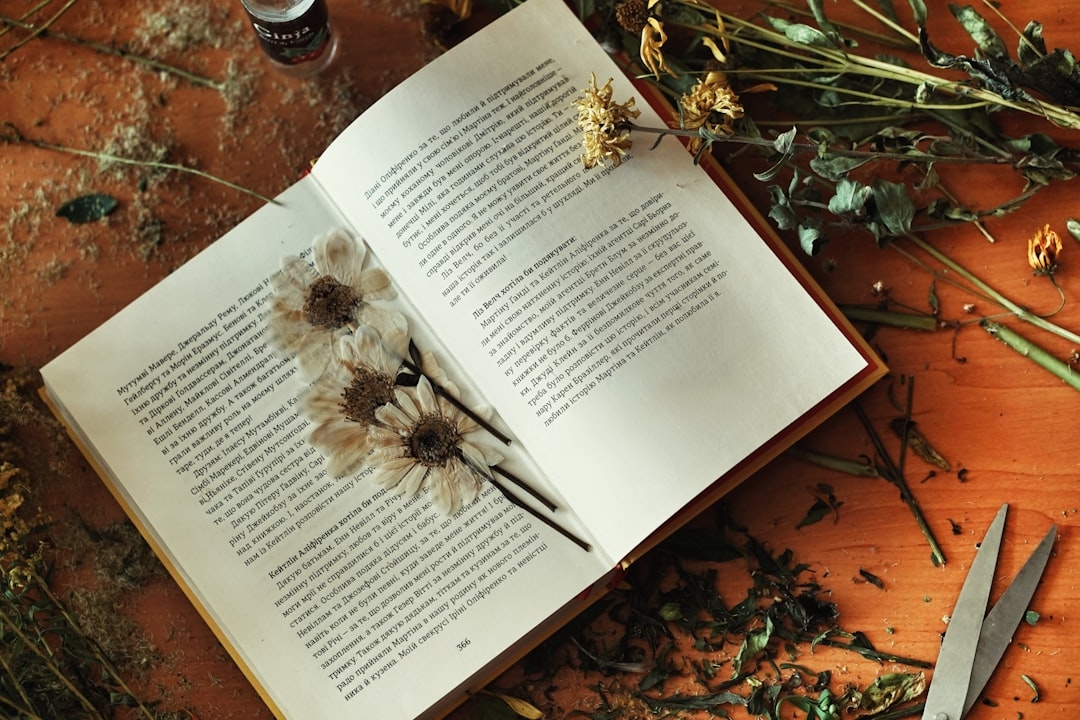
Pressed flowers have been tucked into diaries, love letters, and novels for generations. Picture this: a faded blue hydrangea petal slips from the pages of your grandmother’s copy of To Kill a Mockingbird – a ghost of a garden from decades past. Book pressing flowers isn’t just nostalgic; it’s a craft that bridges art, memory, and science.
Preserving blooms between the pages transforms fleeting moments into lifelong keepsakes. Whether you’re drying wild violets from a morning hike or commemorating a wedding bouquet, knowing how to press flowers in a book properly makes all the difference. Here’s how to get the best results, plus insider advice from professional florists and horticulturists across the US.
Featured Snippet: How to Properly Press Flowers in a Book
To press flowers in a book properly, follow these steps:
- Choose mature, dry blooms with flat petals (avoid thick or damp flowers).
- Place each bloom between two sheets of absorbent paper (like parchment or coffee filters).
- Insert the layered flower into a heavy book–avoid glossy pages.
- Add extra weight on top (other books, bricks) for even pressure.
- Leave undisturbed for 2-3 weeks, replacing the paper if it becomes damp.
For best results, use a book you don’t mind getting stained; moisture and color may transfer.
Why Book Pressing Flowers Still Matters in 2026
Flower pressing might sound quaint in an era of instant photography and AI-generated art. But the craft has seen a resurgence: Google Trends shows a 38% uptick in “how to press flowers” searches in the US since 2022. According to Brooklyn-based florist Maria Caldwell, AIFD, “Pressed flowers connect us to the natural world in a way digital images can’t–each petal pressed is a unique memory you can actually touch.”
Pressed flowers aren’t just for scrapbooks or greeting cards. They’re popping up in resin jewelry, wall art, and even wedding invitations sold on Etsy and Minted. Local botanical artists charge upwards of $150 for custom pressed-flower frames in 2026.
Choosing the Right Flowers for Book Pressing
Flat, Fresh, and Not Too Juicy
Not every flower presses equally well. Look for:
- Naturally flat-petaled blooms (think pansies, violets, or cosmos)
- Small, single-layered flowers over thick, multi-petal types
- Fresh but dry stems–avoid morning dew or rain-soaked petals
Roses, tulips, and large dahlias don’t flatten easily and can turn brown or moldy. For stubborn blooms, split them in half lengthwise first.
Best Flowers for Pressing in Books:
- Pansies
- Daisies (Shasta or Oxeye)
- Fern fronds
- Queen Anne’s lace
- Cosmos
- Larkspur
- Hydrangea petals
Tip from the Field:
“Even the leaves matter–rounded eucalyptus retains its color better than most,” says Elijah Tran, Lead Horticulturist at Green Nook Gardens, Seattle.
The Right Materials: Books, Papers, and Weights
Book Choice
Select a book with:
- Thick, absorbent pages (uncoated paper absorbs moisture best)
- Large enough size to fit your flowers (phonebook, dictionary, or old textbook)
- No sentimental value–you risk stains and warping
Avoid:
- Glossy magazines (don’t absorb)
- Delicate or antique books you want to preserve
Absorbent Paper Layering
Use:
- Blotting paper, parchment, or plain coffee filters (change every 2-3 days for best results)
- Paper towels, but only if they’re white and unscented; dyes or scents may transfer
Weights and Pressure
Stack additional books, bricks, or even a wooden board for firm, even compression. “Low-tech but effective,” says Caldwell. “Just make sure it won’t slide off and squish your flowers sideways.”
Step-by-Step: How to Press Flowers in a Book (2026 Edition)
1. Prep the Flowers
- Gently clean petals to remove dirt or insects.
- Pat dry with a paper towel–moisture is your enemy.
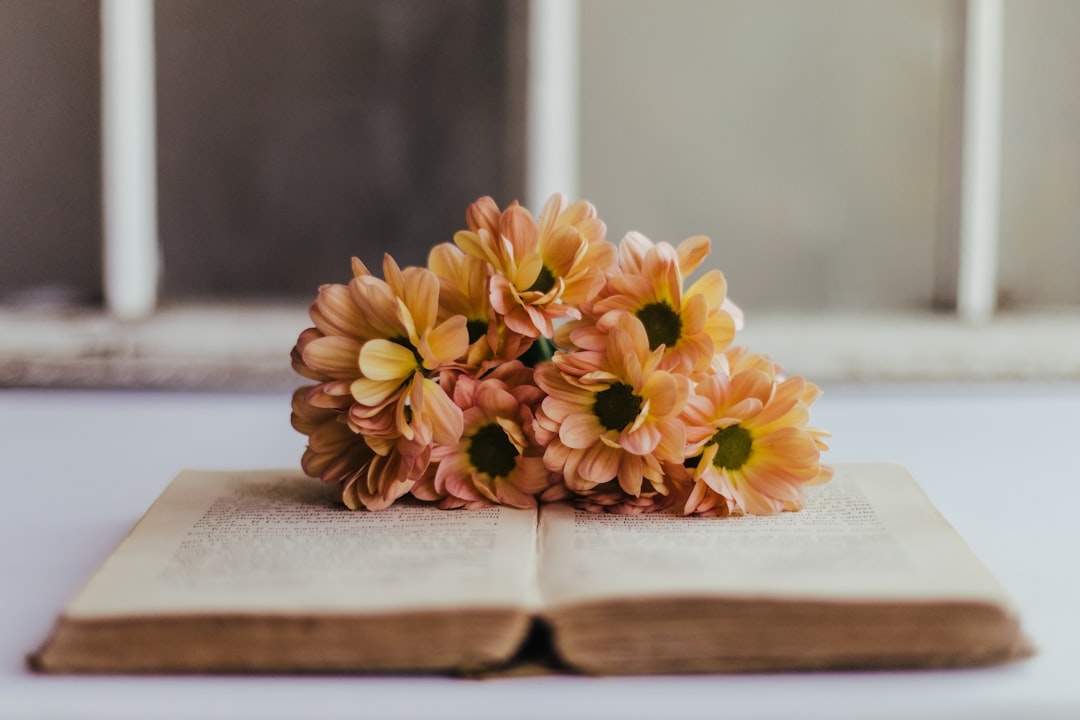
2. Arrange for Success
- Place flowers between two sheets of absorbent paper.
- Arrange petals flat and not overlapping.
- Lay the flower-paper ‘sandwich’ inside your book, leaving several pages around it for buffer.
3. Add Weight
- Close the book carefully.
- Place a stack of 2-5 heavy books or a flat weight on top.
4. Leave to Dry
- Store in a dry, airy place, away from direct sunlight and humidity.
- Check after 7 days; if the paper feels damp, swap for a fresh layer.
- Total drying time: 2-3 weeks for most blooms.
Pro Tip:
For impatient DIYers, microwave flower presses exist (like the Microfleur), but the classic book method yields richer color according to press test results published by the US Botanical Artists’ Guild in March 2026.
Visual Comparison: Book Pressing vs. Other Flower Pressing Methods
| Method | Drying Time | Cost | Best For | Drawbacks |
|---|---|---|---|---|
| Book Pressing | 2-3 weeks | Free-$5 | Beginners, small flowers | Can be slow, color loss |
| Commercial Flower Press | 1-2 weeks | $20-$40 | Regular use, larger blooms | Upfront investment |
| Microwave Flower Press | 1-2 minutes | $25-$50 | Quick results, bold color | Risk of burning, learning curve |
| Silica Gel Drying | 4-7 days | $10/lb | 3D flowers, thick blooms | Not flat, costlier |
Top Mistakes to Avoid When Pressing Flowers in Books
- Skipping the absorbent paper: Direct contact with the book can stain pages and insufficiently dry the petals.
- Using damp or thick flowers: Moisture can lead to mold or rot.
- Not changing the paper: Especially in humid climates like the Southeast US–replace paper every few days.
- Overlapping petals or multiple layers: Stick with single layers for clean, defined results.
- Pressing in sentimental or valuable books: Color transfer is real.
“The biggest rookie mistake I see is rushing it. Let the flowers dry completely. Patience pays off with brighter colors and no musty smells,” – Elijah Tran, Green Nook Gardens.
Creative Uses for Pressed Flowers in the US in 2026
Trendy Applications
- Framed wall décor: Custom pressed-flower frames are all over Instagram and TikTok, with #pressedflowers racking up 4.7 million US posts in 2026.
- Greeting cards: Layer pressed blooms on cardstock for a handmade touch.
- Wedding keepsakes: Many brides now press their bouquets to savor the memory–New York’s Petal Preserve charges $200+ for custom pressed bouquet art.
- Resin jewelry: Seal pressed petals in resin for necklaces or earrings. Popular US craft stores like Michaels and Joann stock resin kits starting at $15.
Gift Ideas
- Bookmarks ($10-20 on Etsy)
- Decorated journal covers
- Gift tags for flower delivery services
FAQ
How long do pressed flowers last in a book?
Pressed flowers can last several years–sometimes decades–if stored in a cool, dry, and dark place. Over time, colors may fade, especially if exposed to sunlight. For best results, keep pressed flowers framed behind glass or in a closed book.
Can I press flowers in any kind of book?
Use books with absorbent, uncoated pages–think dictionaries, old textbooks, or phone books. Avoid glossy magazines or precious books, as moisture and color transfer can damage them.
Why did my pressed flowers turn brown or moldy?
This typically happens if flowers were too thick, damp, or if the absorbent paper wasn’t changed often enough. Ensure blooms are dry and thin, and replace blotting paper every few days, especially in humid climates.
Is it safe to press edible flowers in a book?
Yes, but only if you plan to use them decoratively (not for eating). If you want to eat pressed edible flowers, avoid using books or papers with inks, dyes, or chemicals. Use food-safe materials and dedicated presses for culinary purposes.
Ready to Start? Make Pressed Flower Memories
Today’s wildflowers are tomorrow’s art–and the technique is easy, affordable, and endlessly adaptable. Gather a handful of blooms before the next rainstorm, find a sturdy book you don’t mind sacrificing, and start your own collection. Who knows? The flowers you press now might resurface as a cherished bookmark, a framed masterpiece, or a clue to your story for someone decades from now. Happy pressing!

Related Posts
Dried bouquet brands worth the splurge
The case for buying American-grown flowers