Best gel water florist alternatives reviewed
Contents:
- Quick Answer: What’s the Best Gel Water Florist Alternative in 2026?
- Why Florists Use Gel Water (and Why They Want Alternatives)
- Acrylic “Water” Resin: The Realism King
- How It Works
- Pros & Cons
- Popular Brands (2026)
- Sustainable Plant-Based Gels: The Eco-Conscious Choice
- Features & Benefits
- Cost & Availability
- User Experience
- Floral Foam and Modern Water-Free Mechanics
- The 2026 Solution: Biodegradable Foams and Wire Mechanics
- Expert Tip
- Glass Beads, Pebbles, and Other Simple Alternatives
- How They Compare
- Biodegradable Gels: The Fastest Growing Alternative
- Why Florists Love Them
- Who Should Use Biodegradable Gels?
- Real-Life Comparison: Which Alternative Fits Which Need?
- Pull Quote
- Frequently Asked Questions
- What is the safest alternative to gel water for households with pets and young kids?
- Can I use acrylic water resin with fresh flowers?
- Are biodegradable floral gels as clear as traditional gel water?
- What’s the most eco-friendly method for arranging fresh flowers in a vase?
- Do any major US florists use these alternatives in 2026?
- Looking Ahead: Action Steps for Neater, Greener Arrangements
Best Gel Water Florist Alternatives Reviewed
There’s nothing quite like the look on someone’s face when they receive a beautifully arranged bouquet – especially when it arrives looking fresh, dewy, and as though it was just picked that morning. But when the secret behind that “just-watered” look is actually hard gel water, not every customer or florist is cheering. From environmental worries to messy clean-up, gel water (those clear, jelly balls or cubes used to mimic water in vases) isn’t always ideal. With sustainable floristry on the rise and American customers looking for safer, neater, and more beautiful flower displays, the search is on for the best gel water florist alternatives.
Quick Answer: What’s the Best Gel Water Florist Alternative in 2026?
The top alternatives to gel water floristry in 2026 are:
- Clear acrylic water resin for realistic, permanent floral displays
- Sustainable plant-based gels like Florabeads EcoGel
- Floral foam (Oasis MaxLife or floral chicken wire + water)
- Reusable glass beads or pebbles
- Biodegradable floral gels (e.g., FloraGreen HydrAgel)
Each alternative has strengths and weaknesses. For realism and longevity, acrylic resin water leads the pack. For eco-friendly, temporary arrangements, biodegradable or plant-based gels and newer foam technologies win out.
Why Florists Use Gel Water (and Why They Want Alternatives)
Those sparkling clear gel cubes or spheres have been used by pros and DIYers for nearly two decades. The big appeal? Gel water looks like fresh water but holds stems firmly in place, protects surfaces from spills, and keeps blooms arranged just so.
But florists like Jasmine Rivera, Lead Designer at Brooklyn Bloom Studio, point out some serious drawbacks:
“Gel water can yellow over time, trap bacteria, and the cleanup is a nightmare. Plus, our eco-conscious clients ask about the environmental impact.”
A 2025 survey by the American Institute of Floral Designers (AIFD) found that 47% of US florists now actively look for gel water substitutes. Major concerns include:
- Non-biodegradability (most gel water is acrylic or plastic-based)
- Messiness when arrangements are changed or reused
- Potential hazards to pets and kids if ingested
- Rising demand for compostable, natural materials
Acrylic “Water” Resin: The Realism King
Permanent silk flower arrangements in medical offices, hotel lobbies, and chic homes often use acrylic water resin. This two-part liquid sets hard and clear, locking stems in place and mimicking the look of fresh water for years.
How It Works
- Mix two components (resin + catalyst), pour carefully into a glass vase with silk or preserved stems in place.
- Sets in 8-24 hours into a glass-smooth, non-tacky surface.
Pros & Cons
| Pros | Cons |
|---|---|
| Ultra-realistic appearance | Not suitable for fresh flowers |
| Odorless and crystal clear | Permanent (can’t re-use flowers) |
| No bacterial growth or yellowing | Relatively expensive ($18-$50 per kit) |
| No mess or spill risk | Requires careful measuring/mixing |
Popular Brands (2026)
- QuickWater™ (Still the pro favorite at $38/kit for 32 oz.)
- Onyx Clear Resin Water (Noted for super-clear finish; $42/quart)
“For permanent displays, nothing beats the ‘wow’ of acrylic resin water. But you can’t use it with real flowers – the stems will rot inside,” says florist/horticulturist Dr. Ethan Marks, author of Modern American Floristry Trends.
Sustainable Plant-Based Gels: The Eco-Conscious Choice
The new wave of flower gels is plant-based and biodegradable – made from natural polymers like starch, cellulose, or modified alginate. Products like Florabeads EcoGel and EnviroHydra Floral Gel have hit the US market hard since 2024, answering both aesthetic and green demands.
Features & Benefits
- Designed to mimic water clarity but made from renewable sources
- Breaks down in compost within 12-18 months (lab-tested by GreenBlooms Labs, 2025)
- Comes in pre-mixed beads or powder forms
Cost & Availability
Florabeads EcoGel: $12 for 16 oz (enough for 4-6 mid-sized vases)
Available via major wholesale florists and online (Amazon, BloomsDirect, etc.)
User Experience
Plant-based gels hold stems well and look almost like water, but can have a faint cloudiness, which some pros find charmingly “natural.”
Short List: Leading Plant-Based Floral Gels (2026)
- Florabeads EcoGel
- FloraGreen HydrAgel
- EnviroHydra Floral Gel
“We switched to plant-based gel last year. Our wedding couples love that it’s compostable, and it holds tulips upright better than glass stones,” says Lily Tran, owner of FlowerHaus LA.
Floral Foam and Modern Water-Free Mechanics
Traditional floral foam (e.g., Oasis Classic) has been a staple in American floristry since the 1950s. It’s water-retentive, easy to sculpt, and holds stems firmly in place. But old-school foams are petroleum-based and non-biodegradable – a big downside in 2026.
The 2026 Solution: Biodegradable Foams and Wire Mechanics
Newer products like Oasis MaxLife Floral Foam (60% biodegradable in landfills) and Atlantic EcoFoam compete toe-to-toe with classic gels.
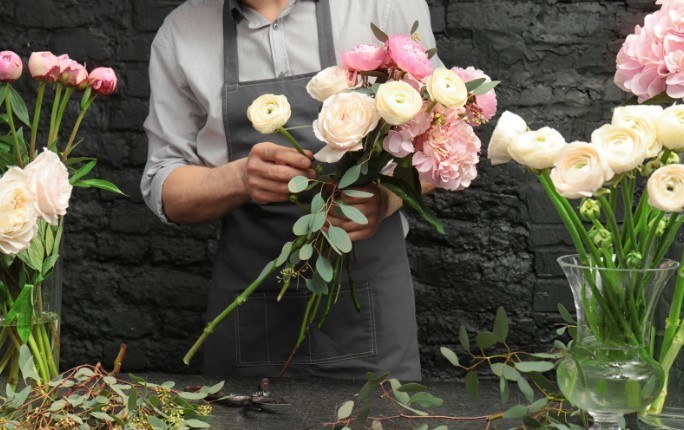
Some florists have ditched foam altogether for “chicken wire mechanics” – lining vases with balled-up chicken wire, which supports stems, then adding fresh water.
Pros & Cons Table
| Solution | Eco-Friendly? | Fresh Flowers? | Cost (avg USD) | Mess Factor |
|---|---|---|---|---|
| Oasis MaxLife Foam | Semi | Yes | $8/block | Moderate |
| Chicken Wire + Water | Yes (reusable) | Yes | $1-$2/vase | Low |
| Traditional Foam | No | Yes | $6/block | Moderate |
Expert Tip
According to Andrea Kim, AIFD educator, “Chicken wire mechanics are the oldest trick in the book – and with water, they’re 100% reusable and zero-waste. Most top US wedding florists prefer them now over any gel.”
Glass Beads, Pebbles, and Other Simple Alternatives
Sometimes simple is best. Decorative glass marbles and pebbles have always been a budget-friendly alternative to gel water. They add stability, visual interest, and are endlessly reusable.
How They Compare
- Glass beads ($4-$12/bag, Michaels or Amazon): Clear, slightly magnify light, can be washed between uses.
- River pebbles: Earthy look, great for gardeny or rustic arrangements.
- Acrylic “ice”: Purely decorative, unscented, good for events.
While you won’t get a realistic “water effect,” these options are zero waste if reused and pose no risk to pets or the environment.
Biodegradable Gels: The Fastest Growing Alternative
As of early 2026, biodegradable water gels made from rapidly-degrading polymers are a market hit. FloraGreen HydrAgel, launched in the US in 2025, boasts full breakdown in just 6 months in industrial compost.
Why Florists Love Them
- Super clear, almost indistinguishable from classic gel
- Clean-up is a breeze – just toss in the green bin
- Affordable at $11-$15 per 16 oz jar
Who Should Use Biodegradable Gels?
Best for event florists, caterers, and anyone who wants a no-fuss clean up with minimal environmental impact. Note that some formulas can still be a choking hazard for children under 3, so always use with care.
Real-Life Comparison: Which Alternative Fits Which Need?
| Situation | Best Alternative | Why? |
|---|---|---|
| Permanent silk flowers, high-end | Acrylic resin water | Realism, longevity |
| Temporary wedding, eco-friendly | Biodegradable/plant-based gel | Compostable, holds stems well |
| DIY at home, safety first | Glass beads/pebbles | Safe, reusable, easy to clean |
| Retail shop, everyday arrangements | Chicken wire + water | Inexpensive, supports all flowers |
Pull Quote
“American florists sent over 70 million arrangements in 2025. Our biggest challenge is making them stunning without plastic waste.”
– Jasmine Rivera, Brooklyn Bloom Studio
Frequently Asked Questions
What is the safest alternative to gel water for households with pets and young kids?
Glass beads or pebbles are the safest choice. They’re non-toxic, too large to swallow for most pets, and pose no chemical risks. Always supervise children around any small decorative items.
Can I use acrylic water resin with fresh flowers?
No, acrylic resin water is only for permanent/artificial flowers. Fresh stems will rot inside the hardened resin and cause discoloration.
Are biodegradable floral gels as clear as traditional gel water?
Most modern biodegradable gels, such as FloraGreen HydrAgel, are highly transparent, though plant-based options may appear faintly cloudy. They perform just as well in holding stems and mimicking water, according to 2025 AIFD testing.
What’s the most eco-friendly method for arranging fresh flowers in a vase?
Chicken wire mechanics with plain water is the top choice. It’s completely reusable, supports all stem types, and avoids single-use plastics or foams.
Do any major US florists use these alternatives in 2026?
Yes. National chains like UrbanStems and local leaders such as Sprout Home (Chicago, Brooklyn) have adopted biodegradable gel and chicken wire systems in most of their arrangements.
Looking Ahead: Action Steps for Neater, Greener Arrangements
Try a new gel alternative with your next arrangement – whether you’re a pro or a weekend flower fan. Most of the top picks are available from US suppliers online, even in small quantities. As trends move toward sustainability and “clean” floristry, making the switch means safer homes, happier customers, and a more beautiful planet. Take this as a nudge: the vases on American tables in 2026 can look as fresh as ever, with no mess, no microplastics, and no regrets.

Related Posts
Dried bouquet brands worth the splurge
The case for buying American-grown flowers