When Are Peonies in Season and Why Are They the Most Requested Blooms?
Contents:
- A Brief History of the Peony and Its Climb to the Top
- The Peony Season Calendar: What’s Actually Available When
- Garden Season in the United States
- Market Season: How It Gets Extended
- Why Peonies Top Every Request List
- The Visual Impact
- The Fragrance
- The Color Range
- The Emotional Association
- A Personal Note on Why This Flower Changes Things
- Sourcing Peonies in 2026: What Buyers Need to Know
- Online Direct-to-Consumer Retailers
- Local Farms and CSA Subscriptions
- Wholesale Markets
- Peonies and Sustainability: The Eco-Friendly Angle
- The Perennial Advantage
- Reduced Pesticide Dependency
- Buying in Season as a Sustainability Choice
- What to Do With Spent Blooms
- Complementary Flowers and What to Pair With Peonies
- For a Romantic, Garden-Style Look
- For a Modern, Architectural Arrangement
- For a Minimalist, High-Impact Statement
- How to Make Cut Peonies Last as Long as Possible
- Buy in Bud
- Hydrate Immediately
- Temperature Management
- Change the Water Daily
- Keep Away From Ethylene Sources
- Expert Insights: What Florists Know That Buyers Often Don’t
- Practical Application: Planning Around Peony Season in 2026
- Frequently Asked Questions About Peony Season
- Can I get fresh peonies in December for a winter wedding?
- How far in advance can I order peonies for an event?
- Why do my grocery store peonies never smell like the ones at the farmers market?
- Are peonies toxic to pets?
- What’s the best way to dry peonies?
- Why the Peony’s Moment Is Far From Over
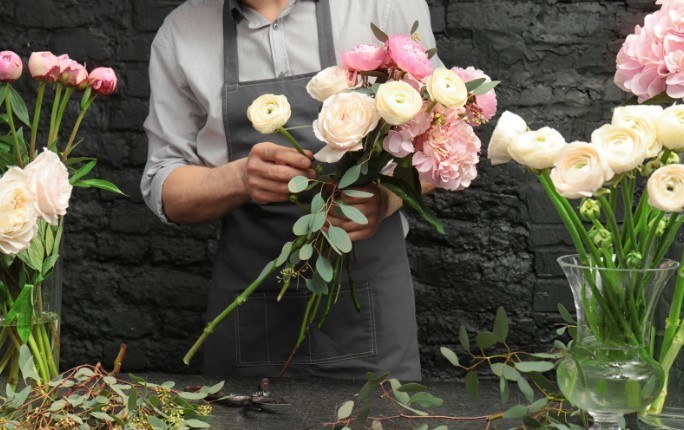
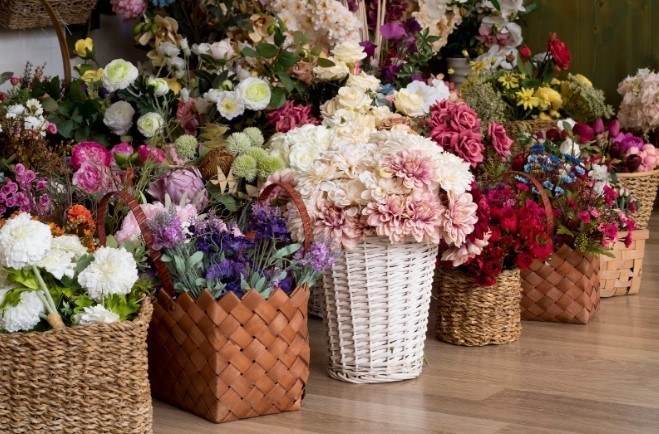
Close your eyes for a moment and picture this: it’s a warm Saturday morning in late May. You walk into a farmers market and the first thing that stops you dead in your tracks isn’t a sound or a sign — it’s a smell. Sweet, powdery, faintly spiced, almost like a perfume that a grandmother might have worn but in the best possible way. Then you see the source: an entire stand piled high with peonies in full, ruffled bloom — blush pink, creamy white, deep magenta — each one the size of a softball, petals layered so densely they look architectural. You buy two bunches before you’ve even checked the price. That’s the power of a peony in season.
If you’ve ever tried to recreate that moment outside of those brief spring weeks and found yourself staring at an empty shelf or a price tag that made you wince, you’re not alone. Peonies are the most searched flower on wedding planning platforms, the most pinned bloom on floral mood boards, and consistently one of the top requests that florists hear year-round — even from customers who don’t know the plant’s name and just describe “that big fluffy pink flower.” So what exactly is going on with peony season, why does it matter so much, and how do you make sure you never miss out? This guide covers everything, including the full seasonal timeline, the history behind the obsession, practical sourcing tips, the sustainability angle that more buyers are starting to care about, and an honest look at the best alternatives when fresh peonies aren’t available.
A Brief History of the Peony and Its Climb to the Top
The peony’s story stretches back more than 2,000 years. In ancient China, Paeonia lactiflora — the herbaceous species most commonly used in cut flower arrangements — was cultivated in imperial gardens as a symbol of wealth, nobility, and female beauty. The Chinese name, mudan for the tree peony and shaoyao for the herbaceous variety, carried connotations of prosperity that made peonies literal gifts of honor between members of the imperial court. Poets wrote about them. Painters devoted entire careers to capturing them. Emperors reportedly stationed guards around peony gardens during bloom season to prevent unauthorized picking.
The plant traveled west along trade routes, eventually making its way into European botanical gardens during the 18th century. French hybridizers in the 1800s — particularly the Guerin and Crousse families — developed the lavishly doubled forms that still dominate the cut flower market today. Names like ‘Sarah Bernhardt’ (a soft pink variety introduced in 1906 and still widely sold in 2026) and ‘Festiva Maxima’ (an ivory white with a crimson center, introduced in 1851) remain bestsellers, which is a remarkable testament to how little the standard of beauty in this flower has changed.
By the 20th century, peonies had become deeply embedded in American culture as a June wedding flower. But the real explosion in consumer demand came in the 2010s, when Instagram-driven floral aesthetics made the overflowing, romantic look popular across every demographic. Wedding florists who had been ordering a few hundred stems per season were suddenly ordering thousands. Home decorators who had never thought much about fresh flowers started buying peonies the way they bought candles — as a mood-setting item. The demand never fully receded, and the peony has remained the most requested seasonal bloom for over a decade running.
The Peony Season Calendar: What’s Actually Available When
Understanding peony season requires separating two concepts: garden season (when peonies bloom in the ground) and market season (when you can actually buy them from a florist or online retailer). They overlap but aren’t identical, and the gap between them is where most buyer confusion comes from.
Garden Season in the United States
In American gardens, peonies bloom in a window that roughly runs from late April through mid-June, depending on climate zone and variety. The sequence goes something like this:
- Late April to early May: Early-season varieties like ‘Coral Charm’ and ‘Nosegay’ open first, primarily in USDA hardiness zones 5–7. These are the first peonies to appear at local farm stands and regional florists.
- Mid to late May: The main flush arrives. This is peak peony season for most of the continental United States. Midseason varieties including the iconic ‘Sarah Bernhardt,’ ‘Duchess de Nemours,’ and ‘Kansas’ are in full bloom. Farmers markets overflow. Grocery stores carry them. Online retailers are shipping at full capacity.
- Early to mid-June: Late-season varieties like ‘Bartzella’ (a yellow intersectional peony that has become a premium favorite) and ‘Hillary’ extend the season. By mid-June in most growing regions, the show is winding down.
- Late June onward: Domestic garden peonies are largely finished. What remains in the market comes primarily from imports.
Market Season: How It Gets Extended
Because the American peony window is so short, the cut flower industry has built a global supply chain to extend it. The key sourcing regions are:
- Alaska: The long summer daylight of Alaska’s Matanuska-Susitna Valley produces peonies from late July through early September — a full two months after the contiguous US season ends. Alaskan peonies have become a premium product for late-summer weddings, and their quality is exceptional because the cool temperatures slow petal development and deepen color.
- New Zealand and Chile: These Southern Hemisphere growers provide peonies during November through January — the American winter. Stems arrive chilled and can be of very good quality, though shipping times and cold-chain management affect freshness. This is where your December wedding peonies come from.
- The Netherlands: Dutch auction houses aggregate peonies from multiple growing regions and redistribute them globally. Dutch-sourced peonies are available in the American wholesale market for much of the year, though the peak of European season (May–June) aligns with domestic supply and doesn’t extend availability much.
The practical result is that in 2026, a well-connected florist in a major city can source peonies in almost any month of the year — but price, quality, and variety selection vary significantly by season. Peak domestic season in May delivers the best combination of freshness, selection, and value. Off-season stems are available but often command a 40–80% price premium and offer fewer variety choices.
Why Peonies Top Every Request List
Florists are often asked why peonies are so disproportionately popular. The honest answer is that they do several things simultaneously that most flowers only do one at a time.
The Visual Impact
A fully open peony commands space. The bloom head of a double variety like ‘Monsieur Jules Elie’ can reach five inches in diameter, with petal counts exceeding 100 per flower. That volume means a single stem carries the visual weight of three or four standard roses. For brides working with a budget, this makes peonies extraordinarily efficient — you need fewer stems to achieve the same lush, full look. For home decorators, five peonies in a clear vase is enough to anchor a dining table completely.
The Fragrance
Not all peonies are fragrant — this surprises many buyers — but the most commercially popular varieties are intensely so. ‘Sarah Bernhardt’ smells like rose with a hint of spice. ‘Bowl of Cream’ is subtler, clean and milky. ‘Festiva Maxima’ has a fresh, almost green note underneath the sweetness. Fragrance is a sensory dimension that photographs can’t capture but that drives in-person purchasing decisions more powerfully than almost any other flower quality. It’s the thing that makes someone stop walking at a market stand and pick up a bunch before they’ve consciously decided to buy.
The Color Range
The peony color palette spans from pure white through every shade of pink and coral into deep burgundy, with a handful of yellow intersectional varieties expanding the options further. There is no true blue or orange peony, but within the warm and neutral range, the selection is unmatched. This makes peonies versatile across almost every event aesthetic — from minimalist white-and-green arrangements to maximalist garden-style displays in sunset tones.
The Emotional Association
Peonies carry cultural weight that most flowers don’t have. In American culture, they’re associated with early summer, with abundance, with the kind of garden that a beloved grandmother might have kept. That emotional resonance is real and commercially significant — people buying peonies are often buying a feeling, not just a flower. A bride who requests peonies for her May wedding has usually been imagining those specific blooms for years, often since childhood.
A Personal Note on Why This Flower Changes Things
A few years back, I spoke with a wedding florist in Atlanta who told me a story I haven’t forgotten. A client came in for a consultation in October, planning a June wedding. The client had a printed photo of a peony bouquet — blush ‘Sarah Bernhardt’ with silvery eucalyptus — that she’d kept in her phone’s camera roll for three years. She’d never been engaged before. She’d just been saving the picture, waiting for the day she’d need it. When the florist confirmed that yes, a June wedding was the absolute best timing for exactly those peonies — peak season, peak quality, peak price efficiency — the client actually cried. Not because of the wedding planning, but because the flowers she’d imagined were going to be real, at exactly the right time. That’s not a transaction. That’s a flower doing what flowers do at their best: marking a moment as one that mattered.
That story stuck with me because it captures something true about why peonies specifically generate that kind of feeling. They’re brief. They’re abundant when they arrive and then genuinely gone. That combination of beauty and transience is exactly what gives them their emotional power — and why people plan entire events around their availability.
Sourcing Peonies in 2026: What Buyers Need to Know
Whether you’re planning a wedding, decorating your home, or sending a gift, the sourcing landscape for peonies has changed meaningfully in recent years. Here’s what’s actually useful to know right now.
Online Direct-to-Consumer Retailers
The direct-to-consumer flower delivery market has matured significantly. Retailers who ship farm-direct — cutting to order and shipping overnight — consistently outperform grocery store or gas station flowers on vase life and quality. For peonies specifically, buying from a curated online retailer during peak season (May) delivers stems that are often measurably fresher than those that have traveled through multiple distribution nodes. Peony flowers Miami and broader national delivery options are available through specialty retailers like mypeonika.com, which sources premium seasonal blooms and ships them in bud stage so they open fresh at home.
Local Farms and CSA Subscriptions
The local farm-direct movement has been particularly strong with peonies because they’re one of the few cut flowers that American small farms can grow profitably. A peony plant takes three years to reach productive maturity but then blooms reliably for 50 or more years with minimal inputs. This long productive lifespan makes peonies an attractive crop for diversified small farms. Searching for a local peony farm or CSA (community-supported agriculture) flower share in your region can yield access to varieties you won’t find anywhere else, at prices that often undercut even grocery stores during peak season.
Wholesale Markets
If you’re in a major city, many wholesale floral markets sell to the public, either by policy or informally. Arriving early on a Saturday during May can put you in the same buying position as a professional florist — same stems, same prices, no markup. This is particularly valuable for large events like weddings where stem counts are high.
Peonies and Sustainability: The Eco-Friendly Angle
The sustainability conversation around cut flowers has intensified in recent years, and peonies sit in an interesting position within it. On one hand, the global supply chain that makes off-season peonies available involves significant air freight — perishables shipped by air have a substantially higher carbon footprint per stem than those moved by ground or sea. On the other hand, herbaceous peonies as a crop have several genuine environmental advantages that are worth understanding.
The Perennial Advantage
Unlike annual cut flowers — which require replanting, significant soil disturbance, and heavy input investment every single year — peonies are perennials. A well-established peony planting produces blooms for decades from the same root system. The soil isn’t turned annually, which means less erosion, better mycorrhizal network preservation, and lower fertilizer requirements over time. This makes peony farming structurally more sustainable than annual flower production, even before factoring in pesticide inputs.
Reduced Pesticide Dependency
Herbaceous peonies are naturally resistant to many of the pests and diseases that make rose cultivation chemically intensive. They’re not pest-free — botrytis blight is a real problem in humid climates — but the overall pesticide load per stem tends to be lower than for roses, carnations, or lilies. For buyers who care about minimizing chemical exposure in their homes, this matters.
Buying in Season as a Sustainability Choice
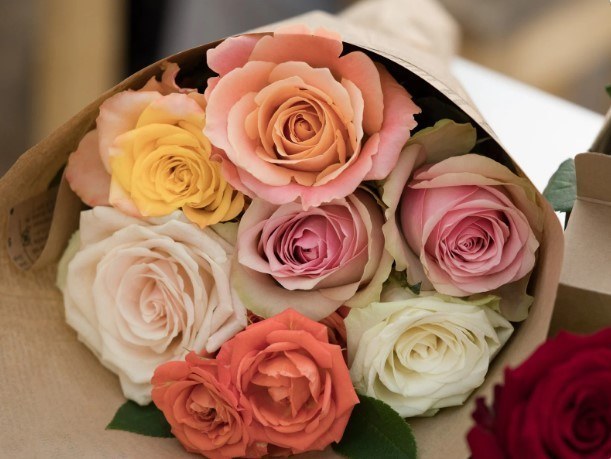
The single most impactful thing a consumer can do from a sustainability standpoint is buy peonies during peak domestic season (May–June) from domestic or regional sources. This eliminates the air freight component entirely and supports American farm operations. A May peony from a farm in Ohio has a dramatically smaller footprint than a January peony flown from Chile, even if both are beautiful. More buyers are factoring this into their purchasing decisions in 2026, and the market is responding with better domestic sourcing options and more transparent supply chain labeling.
What to Do With Spent Blooms
One genuinely underappreciated sustainability angle: peony petals are fully compostable and break down quickly. Rather than throwing spent bouquets in the trash, composting the petals and stems (with stems cut into short pieces to accelerate breakdown) returns organic matter to your garden. Dried peony petals also hold color and fragrance well and can be used in potpourri or as a natural confetti alternative for outdoor events, where they biodegrade completely.
Complementary Flowers and What to Pair With Peonies
Peonies are generous teammates in arrangements — their large heads and soft forms play well with a wide variety of companion flowers. The best pairings depend on the aesthetic you’re going for.
For a Romantic, Garden-Style Look
Pair peonies with garden roses, sweet peas, ranunculus, and trailing greenery like jasmine vine or smilax. This combination is the defining look of the current garden-style wedding aesthetic and works at any scale from a single bud vase to a long table garland.
For a Modern, Architectural Arrangement
Pair peonies with structured stems — delphiniums, lisianthus, or protea — to add height and geometry that contrast the peony’s soft roundness. Delphiniums in particular complement peonies beautifully; the spire form provides vertical rhythm while the color families (both available in similar white-through-purple ranges) create natural harmony. If you’re interested in delphinium-forward arrangements as an alternative or companion to peony designs, https://mypeonika.com/collections/delphinium-bouquet offers curated options.
For a Minimalist, High-Impact Statement
Peonies alone in a simple vessel — a clear cylinder vase or a footed compote — can be the most striking arrangement of all. Three to five fully open stems, no greenery, tight together. The density of the blooms creates its own drama without anything else competing. This approach requires the best quality stems and works best at peak season when you’re buying from a source you trust.
How to Make Cut Peonies Last as Long as Possible
You’ve done everything right — bought peak-season stems, sourced them carefully, paid a fair price. Now the goal is keeping them beautiful as long as possible. Here’s what actually works.
Buy in Bud
Peonies should be purchased when the buds are at “marshmallow stage” — the bud is round and soft when gently squeezed, like a marshmallow, not hard like a marble and not already showing color between petals. A bud bought at this stage will open over two to three days and provide the longest vase life, typically seven to ten days total.
Hydrate Immediately
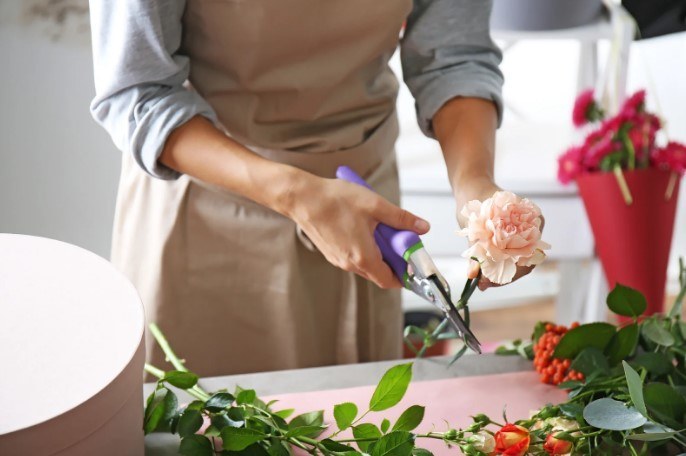
Peony stems are notoriously thirsty. As soon as you get home, cut an inch off the stems at a sharp diagonal with a clean knife or sharp scissors, and place them in a vase with cold water and a packet of floral food (or a DIY substitute: a teaspoon of sugar plus two drops of bleach per quart of water). Don’t let them sit dry even for a few minutes if you can help it.
Temperature Management
Peonies open fastest in warmth and stay closed in cool temperatures. This is actually useful: if you buy peonies three days before an event, keep them in a cool room or refrigerator to hold the bud stage, then bring them into normal room temperature 24 hours before you need them fully open. This level of control is one of the things professional florists use that most home buyers don’t know about.
Change the Water Daily
Unlike some cut flowers that tolerate a weekly water change, peonies benefit significantly from daily fresh water. The sugars released from the stems feed bacterial growth that clogs uptake and shortens vase life. A daily rinse of the vase and fresh water with a few drops of bleach keeps the water clear and the stems flowing freely.
Keep Away From Ethylene Sources
Ethylene gas — produced by ripening fruit, especially apples, bananas, and avocados — accelerates flower aging dramatically. Never put your peony vase near a fruit bowl. The same goes for forced-air heating vents, which accelerate dehydration. A spot with natural light but no direct sun, away from heat sources and fruit, will extend vase life measurably.
Expert Insights: What Florists Know That Buyers Often Don’t
After talking with working florists across the country, a few pieces of professional knowledge keep coming up that most buyers genuinely don’t know:
- The ants are not a problem. Peony buds in garden season are often covered in small ants, which are feeding on the nectar secreted by the buds. Many buyers see this and assume the flowers are damaged or infested. They’re not. The ants don’t harm the bloom. A gentle rinse under cool water before bringing stems inside is all that’s needed.
- Bud stage predicts vase life better than any other indicator. Color, fragrance, and petal count all matter, but the single most predictive factor for how long your peonies will last is what stage they were in when cut. Tight marshmallow buds will consistently outlast stems that were already partially open when you bought them, even from the same farm on the same day.
- Fragrance fades faster than visual quality. A peony that looks perfect on day seven may have lost most of its fragrance by day four. If you’re buying for a special occasion where scent matters, time your purchase so the flowers are at peak open — day two or three — on the day of the event, not day seven.
- Not all white peonies are equal in vase life. White and very pale pink varieties tend to be more sensitive to temperature fluctuations and water quality than darker varieties. ‘Festiva Maxima’ and ‘Duchesse de Nemours’ are classic choices but require clean water management. For a beginner working with white peonies for the first time, ‘Gardenia’ or ‘Bowl of Cream’ are more forgiving.
Practical Application: Planning Around Peony Season in 2026
Here’s the actionable timeline that makes the most of peony season this year:
- February–March: If you have a May or June event with peonies, confirm your florist and lock in pricing now. Peak-season peony pricing and availability are set early, and florists who specialize in garden-style work fill their May calendar by March.
- April: Watch for early-season varieties at local farm stands and farmers markets. ‘Coral Charm’ and other early openers signal that the main season is two to four weeks away. This is a great time to do a small test arrangement and get your vase care routine dialed in.
- May 1–June 15: Buy freely. This is peak season. Prices are lowest, quality is highest, variety selection is fullest. If you’ve been waiting all year for peonies, this is your window.
- July–September: Look for Alaskan-grown peonies for late-summer events. Quality is excellent; pricing is premium but justified. Worth it for late-summer weddings.
- October–April: Peonies are available but imported and at a price premium. Consider whether the cost aligns with your budget, or explore premium alternatives like garden roses, ranunculus, or lisianthus that deliver a similar lush aesthetic at a lower off-season price.
Frequently Asked Questions About Peony Season
Can I get fresh peonies in December for a winter wedding?
Yes, but with caveats. Southern Hemisphere growers in New Zealand and Chile supply peonies to the American market from November through January. The quality varies significantly by supplier and by the length of the cold chain from farm to your florist. Work with a florist who has a direct or near-direct relationship with an importing wholesaler, and be prepared to pay approximately 60–80% more per stem than you would during domestic peak season. Variety selection will also be limited — you’re likely looking at a handful of commercial varieties rather than the full seasonal palette.
How far in advance can I order peonies for an event?
For peak-season events (May–June), order at least four to six weeks in advance, especially for larger quantities. For off-season orders, eight to twelve weeks’ lead time gives your florist or direct supplier the ability to confirm availability and pricing with overseas growers. Online retailers who ship direct to consumers often accept orders right up until shipping date during peak season, but for guaranteed variety selection and quantities, earlier is better.
Why do my grocery store peonies never smell like the ones at the farmers market?
Two reasons: variety and transit time. Grocery store peonies are typically sourced from large-volume commercial growers who prioritize durability and shelf life over fragrance. The most fragrant varieties — ‘Sarah Bernhardt,’ ‘Monsieur Jules Elie,’ ‘Karl Rosenfield’ — are also the most fragile in transit, so they’re underrepresented in mass retail supply chains. Additionally, fragrance dissipates with time, and grocery store stems have often been in the supply chain for several days before you see them. A peony cut that morning from a local farm and one that was cut three days ago and shipped across the country will smell very different.
Are peonies toxic to pets?
Yes, peonies are mildly toxic to both dogs and cats. The active compounds — paeonol and various tannins — can cause vomiting, diarrhea, and lethargy if ingested in meaningful quantities. The risk is higher for cats than dogs, and the severity is generally mild to moderate rather than life-threatening, but this is worth knowing if you have pets who chew on plants or flower stems. Keep peony arrangements out of reach of pets, and if ingestion occurs, contact your veterinarian.
What’s the best way to dry peonies?
Peonies dry beautifully, though they lose most of their fragrance in the process. The best method for preserving form is silica gel drying: bury the blooms face-up in a container of silica gel crystals (available at craft stores) and leave for five to seven days. The result is a bloom that retains its shape and much of its color and can last for years as a decorative element. Air drying (hanging upside down in a dark, dry location) is simpler but produces more shrinkage and color fading. For use in wreaths and dried arrangements where a slightly more rustic result is fine, air drying works well. For display pieces where you want maximum visual impact, silica gel is worth the extra step.
Why the Peony’s Moment Is Far From Over
There’s a case to be made that peonies are more popular in 2026 than they have ever been, and that this is not a trend that’s peaking — it’s a preference that has become structural. The combination of factors driving peony demand are the same factors that have been building for years: the rise of garden-style floral aesthetics as a counterpoint to overly minimalist design, the growth of direct-to-consumer flower retail that makes premium flowers accessible to people who would never have bought from a traditional florist, and the broader cultural movement toward seasonal and locally sourced goods that makes the brief, glorious window of peony season feel meaningful rather than limiting.
What makes peonies different from most flower trends is that the demand cuts across demographics in a way that few flowers manage. They’re requested by 70-year-old gardeners who have been growing them for half a century and by 25-year-old first-time flower buyers who found them on social media and immediately understood what all the fuss was about. They work in a $40 grocery store vase and in a $4,000 wedding centerpiece. They mean something specific and something universal at the same time.
Plan around the season. Buy at peak when you can. Source thoughtfully and sustainably when you’re able. And if you find yourself at a farmers market in late May, standing in front of a table stacked with blush and cream and coral blooms, buying two bunches before you’ve checked the price — that’s not impulse shopping. That’s knowing a good thing when you see it.
