French parallel arrangement style
Contents:
- What Is the French Parallel Arrangement Style? (Featured Snippet)
- How the French Parallel Style Differs from Other Popular Arrangements
- The Core Elements of French Parallel Floristry
- Structure: Vertical Lines With Breathing Room
- Texture and Layering
- Color Grouping
- The Ideal Vessels
- Why the French Parallel Arrangement Style Feels So Fresh Now
- A Modern Answer to Maximalism
- Social Media Power
- Sustainability and Sourcing
- Building a French Parallel Arrangement at Home
- Choosing Flowers (and Budget Tips)
- Mechanics and Assembly
- Maintenance
- Where to See and Order French Parallel Arrangements in the US
- French Parallel Style: Beyond the Vase
- Frequently Asked Questions About French Parallel Arrangement Style
- What makes a French parallel arrangement unique?
- What are the best flowers for French parallel arrangements?
- Can I make a French parallel arrangement with supermarket flowers?
- How long does a French parallel arrangement last?
- Are French parallel arrangements expensive?
French Parallel Arrangement Style: The Florist’s Guide to Chic Composition
A vase lined with upright tulips and irises stands beside a market crate of wildflowers. The difference isn’t just the flowers–it’s the architecture. French parallel arrangements, effortlessly chic and somehow both precise and wild, have become the “it” style on designer tables from Paris to Portland. But what is it about those parallel lines, so structured yet so fresh, that keeps designers and flower lovers returning for more?
What Is the French Parallel Arrangement Style? (Featured Snippet)
French parallel arrangement style is a floral design technique where flowers and foliage are positioned in distinct, upright lines–typically vertical–grouped by type or color. Unlike traditional round bouquets or triangular displays, these designs emphasize negative space, structure, and the natural lines of each stem. The result is a modern, airy composition that highlights both the beauty of each flower and the group as a whole.
How the French Parallel Style Differs from Other Popular Arrangements
Every arrangement tells a story, but not all follow the same rules. Compare the French parallel style to other classic techniques used by American florists:
| Arrangement Style | Shape | Key Feature | Visual Impact | Commonly Used In |
|---|---|---|---|---|
| French Parallel | Upright, linear | Parallel stems & grouped colors | Sculptural, airy, contemporary | Modern homes, art galleries |
| Round/Mass Bouquet | Dome/round | Tight clustering, no lines | Full, lush, traditional | Weddings, gifts |
| Crescent | Curved | Sweeping C-shape | Dramatic, romantic, flowing | Event centerpieces |
| Vertical | Tall/column | Height, few flowers | Elegant, minimal | Hotel lobbies, ceremonies |
“Parallel arrangements are like the French answer to minimalism: structured, artful, and intentional,” says Elodie Mercier, AIFD-certified floral designer and owner of Fleur de Chic in San Francisco.
The Core Elements of French Parallel Floristry
Structure: Vertical Lines With Breathing Room
The magic starts with lines. Instead of crossing stems or stacking blooms in domes, designers place stems upright and parallel–typically 3 to 7 per group, each group clustered with the same variety. Think calla lilies in one band, delphiniums in another, all with clear space between. This negative space–a hallmark of French design–lets each flower shine and makes even budget-friendly blooms feel elevated.
Texture and Layering
Parallel doesn’t mean monotonous. Contrasting foliage (like asparagus fern or bear grass) and textural elements (branches, pods) create rhythm. French designers love to mix luxe flowers–Reneé tulips, peonies, Dutch irises–with unexpected materials such as moss or curly willow.
Color Grouping
Unlike American mixed arrangements that blend colors throughout, French parallel style typically organizes blooms by hue. A vertical row of pale ranunculus set beside deep blue anemones, with a third cluster of lime-green trick dianthus, gives a modern, painterly effect.
The Ideal Vessels
Low, rectangular containers amplify the linear effect, though clear glass cylinders or “architectural” vases are also common. In the US, brands like West Elm and CB2 carry rectangular glass vases ($18-$40 in 2026), which align perfectly with this style.
Why the French Parallel Arrangement Style Feels So Fresh Now
A Modern Answer to Maximalism
The early 2020s were all about maximalist blooms: big, overflowing bouquets, ombré roses, and “cottagecore” dried flower clouds. But in 2026, a wave of Americans crave clean lines and quieter luxury, explains Lauren Patterson, lead buyer for UrbanStems, which began offering parallel-designed arrangements in late 2025. “Customers want less clutter, more intention. The French parallel look feels like a breath of fresh air–structured enough for a gallery, organic enough for home.”
Social Media Power
On Instagram, the hashtag #FrenchParallelArrangement saw a 300% usage increase between 2024 and 2026, according to FlowerPro Insights. These arrangements photograph beautifully–individual lines, negative space, sharp edges–all of which read clearly even on a small screen.
Sustainability and Sourcing
Because the style emphasizes fewer stems and lots of space, it aligns with the “slow flowers” movement. US-based florists like Farmgirl Flowers highlight their locally grown ranunculus or delphinium in parallel designs–lowering transport emissions and supporting American growers.
Building a French Parallel Arrangement at Home
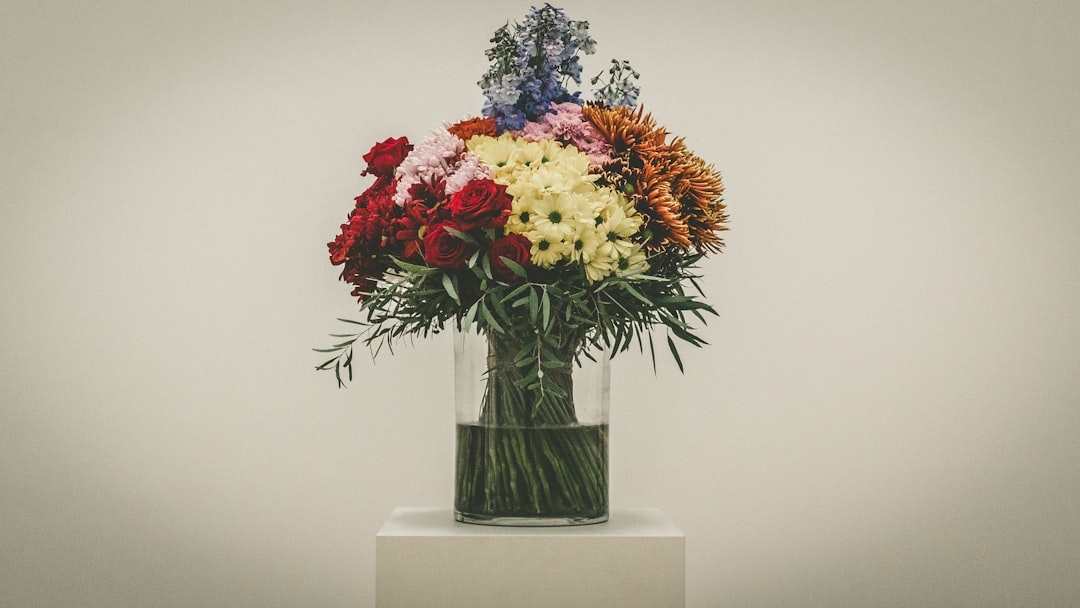
Choosing Flowers (and Budget Tips)
- Hero blooms: Calla lilies, tulips, delphinium, gladiolus, snapdragons, ranunculus.
- Supporting greens: Bear grass, steel grass, aspidistra leaves, moss.
- Unusual elements: Pussy willow, curly willow, even tropicals like monstera.
For a basic home arrangement:
- Select 2-3 types of flower, 5-9 stems of each.
- Gather 1-2 types of foliage.
- Pick a rectangular vase at least 10” long.
Wholesale stems can cost as little as $1-$2 each for basics (snapdragons, tulips), while premium blooms (peonies, anthuriums) may run $6-$9 per stem retail in 2026.
Mechanics and Assembly
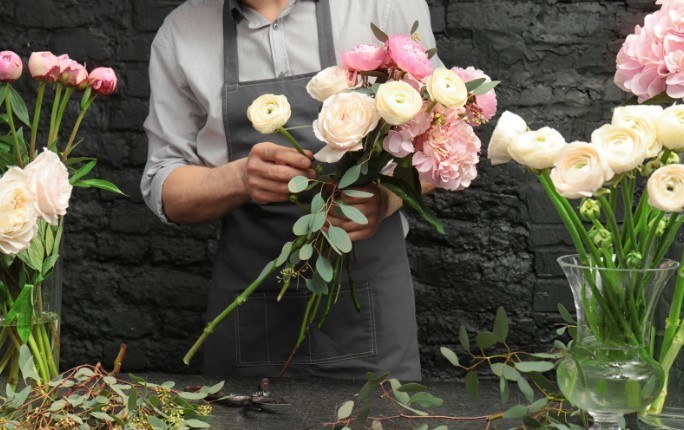
- Prepare the vase: Add chicken wire or a pin frog at the bottom to hold stems upright.
- Build the lines: Insert each type of flower in a distinct, vertical row–tallest at the back, shortest at the front.
- Add foliage: Fill gaps with long leaves or wispy greens, keeping lines clean and parallel.
- Finish with texture: Add moss at the base or a branch as an asymmetrical accent.
Maintenance
- Change water every 2 days.
- Trim stems 1/2” at a sharp angle for longevity.
- Avoid direct sunlight or heat; the structured look fades if flowers droop.
Where to See and Order French Parallel Arrangements in the US
- Florists: Fleur de Paris (NYC), UrbanStems, Farmgirl Flowers, and select local shops now feature French parallel designs year-round.
- Workshops: Many flower schools, including the New York Botanical Garden and FlowerSchool LA, offer classes on parallel arrangement–$150-$300 per workshop in 2026.
- Events: Museum galas (MoMA, The Getty), high-end restaurants, and private home designers in cities like San Francisco, Austin, and Seattle are commissioning French parallel arrangements for tabletops and entryways.
French Parallel Style: Beyond the Vase
French parallel arrangements aren’t limited to tabletop designs. Florists are experimenting with wall-mounted vertical gardens, wedding aisle markers, and even large-scale installations for corporate spaces. The architecture-friendly style makes it a go-to for event planners aiming for something modern, but not cold.
> “A strong parallel arrangement is like a good painting–every element has space to breathe, but together they create a perfect balance,” says Yvette Lamont, floral educator and author of *The Parisian Florist’s Method* (2024).
Frequently Asked Questions About French Parallel Arrangement Style
What makes a French parallel arrangement unique?
French parallel arrangements are distinct because they position stems in vertical, parallel lines–grouping flowers by type or color, creating negative space and a sculptural, modern effect unlike traditional round or cascading displays.
What are the best flowers for French parallel arrangements?
Long-stemmed flowers work best, such as calla lilies, tulips, gladiolus, delphinium, and snapdragons. Mixing foliage like bear grass or aspidistra leaves helps define the lines. Use 2-4 varieties for best visual impact.
Can I make a French parallel arrangement with supermarket flowers?
Absolutely. Choose bunches of the same variety (e.g., all tulips or all snapdragons), group them in upright lines, and use a rectangular or low glass vase. Even basic blooms feel elegant in this structure.
How long does a French parallel arrangement last?
Typically, parallel arrangements last 5-8 days if displayed away from heat and sunlight, and water is changed every two days. Certain hardy stems, like gladiolus or delphinium, may last up to 10 days.
Are French parallel arrangements expensive?
They can be, especially with premium blooms like peonies or imported orchids. However, the style actually uses fewer stems than traditional bouquets, so choosing in-season or local flowers can keep costs down (as low as $20-$45 per arrangement in 2026 for standard blooms).
Ready to try the French parallel style? Gather a few favorite stems, grab that rectangular vase, and experiment with space and structure. You don’t need Parisian credentials–just a curious hand and an eye for clean lines. The next arrangement you bring home might just turn your dining table into a tiny, artful gallery.

Related Posts
Dried bouquet brands worth the splurge
The case for buying American-grown flowers