Monkey face orchid and other wild lookalikes
Contents:
- What Is the Monkey Face Orchid? [Featured Snippet]
- Monkey Face Orchid: Fact, Fable, and Hard Numbers
- Why It Looks Like a Monkey
- Growing Conditions
- Animal Lookalike Flowers: Not Just For Monkeys
- The Bee Orchid (Ophrys apifera)
- Parrot Flower (Impatiens psittacina)
- Dove Orchid (Peristeria elata), aka the Holy Ghost Orchid
- Flying Duck Orchid (Caleana major)
- The Science of Floral Mimicry
- Collecting and Caring for Lookalike Flowers at Home
- Sourcing: Legal & Responsible
- Home Environment Challenges
- Florist Availability in 2026
- Care Tips From the Pros
- Wild Lookalikes in American Floristry
- List: Top US Florists Known for Quirky, Nature-Inspired Arrangements (2026)
- Why Do Lookalike Flowers Appeal to Us?
- Frequently Asked Questions
- What makes the monkey face orchid so rare?
- Can I buy monkey face orchids from a US florist?
- Do lookalike flowers like bee or parrot orchids require special care?
- Where can I see monkey face orchids in person?
- What’s the average price for a rare orchid, like the monkey face, in 2026?
- Ready for Something Wild? Start Small, Dream Big
Monkey Face Orchid and Other Wild Lookalikes: Nature’s Most Bizarre Blooms
Tucked away in Ecuador’s cloud forests grows a flower with a startlingly familiar face. The monkey face orchid–Dracula simia–is so uncanny, even seasoned botanists do a double-take. But it’s not alone. All over the plant kingdom, flowers have evolved to mimic animals, people, even objects, sometimes for survival, sometimes by sheer genetic accident. American florists and plant lovers are taking notice, and these living curiosities are blooming in popularity (and, sometimes, in high price tags).
What Is the Monkey Face Orchid? [Featured Snippet]
The monkey face orchid (Dracula simia) is a rare orchid species native to the cloud forests of Ecuador and Peru, instantly recognizable for its flower lip and petals, which form the image of a monkey’s face–complete with eyes, nose, and mouth. Grown mainly in high-elevation, humid environments, it’s notoriously difficult to cultivate at home and is not commonly sold by US florists due to strict import and growing requirements.
Monkey Face Orchid: Fact, Fable, and Hard Numbers
How rare is the monkey face orchid? According to Dr. Lena Ortega, PhD in Orchidology at Stanford University, fewer than 5,000 mature plants are estimated to exist in the wild as of 2026. The flower blooms sporadically throughout the year–another oddity among orchids, which usually have a set flowering season.
Why It Looks Like a Monkey
Monkey face orchids mimic primate faces most likely by genetic coincidence, not adaptive evolution. Unlike the bee orchid–which attracts specific pollinators by looking like an insect–the monkey face’s resemblance doesn’t seem to serve a direct purpose. Still, the “face” has made Dracula simia a cult favorite, with some US collectors paying over $300 per cutting from specialty growers (like Seattle’s Rare Exotics, which maintains a 2-year waitlist).
Growing Conditions
- Temperature: Thrives at 50-65°F.
- Light: Prefers low, filtered light–think rainforest floor, not a sunny windowsill.
- Humidity: 70-100% is ideal.
- US Availability: Occasionally via rare plant expos or specialty online shops; illegal to harvest wild specimens.
“The monkey face orchid is the holy grail for collectors, but it’s one of the most challenging to maintain in a typical American home,” says Rita Mancuso, owner of Bloom & Vine, NY.
Animal Lookalike Flowers: Not Just For Monkeys
Nature loves a disguise. Here are other famous flora with faces or animal-like forms that turn heads at garden centers and on Instagram feeds across the US:
1. The Bee Orchid (Ophrys apifera)
Looks just like: A fuzzy bee
- Native to Europe, but occasionally grown by hobbyists in the US.
- Its “bee” shape and scent attract real bees for pollination.
2. Parrot Flower (Impatiens psittacina)
Looks just like: A flying parrot
- Native to southeast Asia, rare in the US market but occasionally seen in specialist greenhouses.
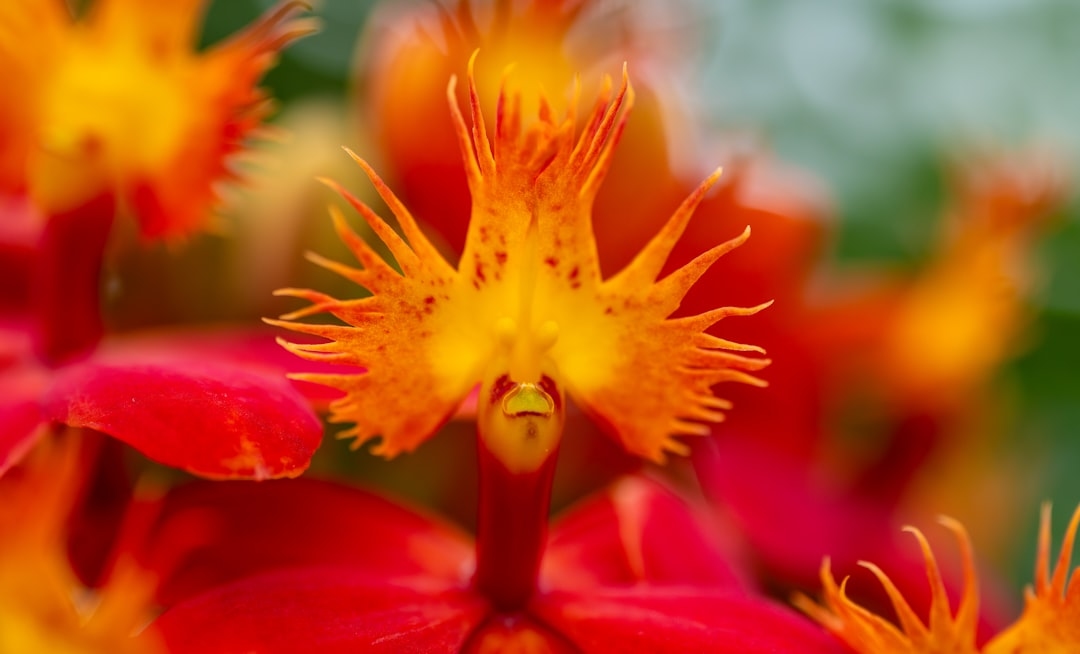
- Petal shapes and color mimic a parrot in flight.
3. Dove Orchid (Peristeria elata), aka the Holy Ghost Orchid
Looks just like: A white dove inside the flower
- Panama’s national flower, sometimes called the “Holy Ghost Orchid” in US botanical gardens.
- Popular among orchid collectors. Blooms typically cost $50-$100 per plant in US specialty stores.
4. Flying Duck Orchid (Caleana major)
Looks just like: A duck mid-flight
- Native to Australia, nearly impossible to grow in the US due to specific pollinator requirements.
- Seen mainly in botanical collections.
Table: Wild Lookalike Flowers and Their Availability in the US (2026)
| Flower Name | Lookalike | US Availability | Typical Price (USD) |
|---|---|---|---|
| Monkey Face Orchid | Monkey | Rare, specialist only | $200-$500/cutting |
| Bee Orchid | Bee | Occasional hobbyist | $50-$120/plant |
| Parrot Flower | Parrot | Botanicals, rare | $80-$250/plant |
| Dove Orchid | Dove | Collector, some florists | $50-$100/plant |
| Flying Duck Orchid | Duck | Not available | N/A |
The Science of Floral Mimicry
Botanists have catalogued over 150 orchid species with some form of mimicry. In some, like Ophrys bee orchids, mimicry is a survival tool. Female bees, fooled by flower’s appearance, attempt to mate with its blooms, inadvertently pollinating them–a phenomenon called “pseudocopulation.”
But not all lookalikes evolved for function. The monkey face orchid’s “primate” visage may be pure coincidence. Still, its viral appeal is undeniable: Google Trends data shows “monkey face orchid” searches in the US have tripled since 2023.
Pull-quote:
“Some of nature’s most bizarre beauty comes from happy accidents–flowers that look like faces, ducks, or birds, without any agenda except their own genetic quirks.”
– Dr. Lena Ortega, Orchid Specialist, Stanford University
Collecting and Caring for Lookalike Flowers at Home
Longing to add something weird and wonderful to your living room? Before you jump in, consider these crucial points:
Sourcing: Legal & Responsible
- Avoid wild-collected specimens. US law restricts the import of many rare orchids to protect wild populations (see: Convention on International Trade in Endangered Species – CITES).
- Buy only from licensed US growers or tissue-cultured plant suppliers.
Home Environment Challenges
- Humidity: US homes average 30-50% humidity. Monkey face and dove orchids need 70-90%.
- Temperature: Many rare lookalikes require cool conditions–difficult in a sun-drenched apartment or a typical heated house.
- Special Equipment: Humidity domes, orchid bark mix, filtered light setups.
Florist Availability in 2026
- Monkey face orchids: Virtually never at mainstream US florists (e.g., FTD, 1-800-Flowers) due to care difficulties.
- Bee, dove, and parrot orchids: Sometimes appear via specialty shops or US botanical garden gift stores; prices higher than standard bouquets.
Care Tips From the Pros
- Use a dedicated orchid mix–not regular potting soil.
- Mist daily. Inexpensive misting bottles help boost local humidity.
- Replicate rainforest conditions. Small greenhouse cabinets or humidifiers are a must for long-term survival in most US states.
Wild Lookalikes in American Floristry
While you won’t see monkey face orchids in everyday arrangements, their influence is growing in high-end, boutique floristry. Designers are:
- Incorporating faux versions (silk, resin) of monkey face and bee orchids into luxury bouquets.
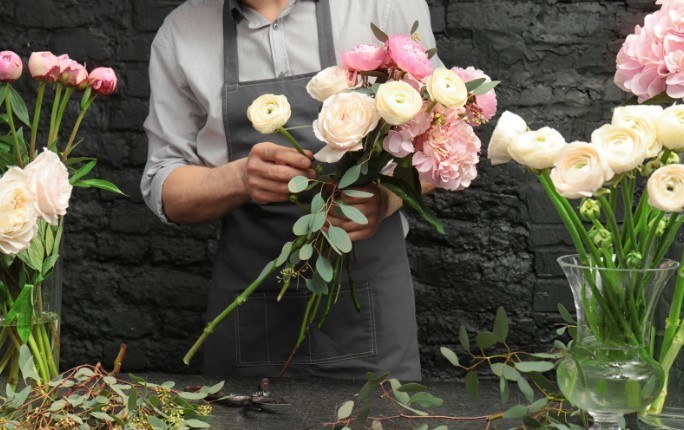
- Creating “lookalike themes” for weddings–think parrot tulips, moth orchids, and ranunculus that resemble butterflies.
- Hosting flower arranging classes centered around mimicry and curiosity–an emerging trend from Los Angeles to New York.
According to the Society of American Florists’ 2025 industry report, interest in rare and odd flowers jumped 35% year-over-year, driven in part by social media influencers and “rare plant unboxing” videos.
List: Top US Florists Known for Quirky, Nature-Inspired Arrangements (2026)
- Bloom & Vine (NYC) – Offers bee orchid terrariums, $200+
- Petal Oddities (Portland, OR) – Specializes in mimicry-themed bouquets
- Exotica LA (Los Angeles, CA) – Hosts “Weirdest Flowers” live arrangement demos
Why Do Lookalike Flowers Appeal to Us?
Human brains are wired for pattern recognition. So when a flower “smiles,” or a petal arrangement looks just like a tiny bird, we notice–and share it.
Psychologist Dr. Laura Mayfield, PhD, notes, “Unusual flowers trigger the same part of the brain as faces in clouds or animals in rock formations. It’s called pareidolia, and it’s one reason monkey face orchids went viral.”
Instagram, Pinterest, and TikTok amplify this effect, with hashtags like #monkeyfaceorchid and #weirdplants trending in 2026.
Frequently Asked Questions
What makes the monkey face orchid so rare?
The monkey face orchid is rare because it grows only in high-altitude cloud forests with specific humidity, light, and temperature conditions, making it difficult to cultivate outside its native environment. Legal restrictions and slow growth also limit its availability.
Can I buy monkey face orchids from a US florist?
Authentic monkey face orchids are not available at mainstream US florists due to cultivation challenges and strict import laws. They are sometimes offered by specialist rare plant growers, but expect high prices and long waitlists.
Do lookalike flowers like bee or parrot orchids require special care?
Yes. Most lookalike orchids need high humidity (70%+), cool temperatures, and filtered light. Regular misting, orchid-specific soil, and occasionally a small home greenhouse are recommended.
Where can I see monkey face orchids in person?
Some US botanical gardens, like the New York Botanical Garden, feature rare lookalike orchids during special exhibition weeks. Check local listings for 2026 exhibit dates.
What’s the average price for a rare orchid, like the monkey face, in 2026?
Prices vary, but authentic monkey face orchid cuttings from reputable US dealers generally cost between $200 and $500 each. Bee and dove orchids are somewhat more affordable at $50-$120 per plant.
Ready for Something Wild? Start Small, Dream Big
If the monkey face orchid’s grinning “face” inspires you, you’re in good company. For most US plant fans, the best approach is to seek out related, easier-to-care-for mimicry orchids–or visit public collections to satisfy rare-flower curiosity. Sign up for specialty florists’ waitlists, join online rare plant communities, or take a trip to your nearest botanical garden during orchid season. Nature’s wildest faces are closer than you think–sometimes smiling back from the most unexpected places.

Related Posts
Dried bouquet brands worth the splurge
The case for buying American-grown flowers