How pH affects cut flower longevity
Contents:
- How Does pH Affect Cut Flower Longevity?
- The Science of pH and Flower Health
- What Is pH, and Why Should Florists Care?
- Practical Tips: Checking and Adjusting Vase Water pH
- How to Measure Vase Water pH
- Making Adjustments
- Comparing Common Cut Flower Longevity by pH
- The Role of Flower Food: Is It Just About pH?
- Brands to Know (2026 US Market)
- Bacteria: The Silent Culprit
- Best Practices to Limit Bacteria
- Not All Flowers Like the Same pH
- Florist Pro Tips for Longer-Lasting Blooms
- Frequently Asked Questions
- What pH should I aim for in my vase water?
- Can I just use tap water for cut flowers?
- How do I lower the pH of my vase water?
- Does pH matter for all flowers?
- What happens if the pH is too low?
- Ready for Longer-Lasting Flowers?
How pH Affects Cut Flower Longevity
A fresh bouquet can turn any room from uninspired to inviting, but after all the careful arranging, nothing’s more disappointing than wilted blooms just a couple of days later. Here’s the twist: the secret to long-lasting cut flowers isn’t just water, cool temperatures, or even flower food. It’s pH–all those invisible hydrogen ions swimming in your vase that can mean the difference between vibrant petals and premature droop.
How Does pH Affect Cut Flower Longevity?
A direct answer:
The pH of vase water directly influences how long cut flowers last by affecting water uptake, nutrient absorption, and bacterial growth. Ideally, a slightly acidic pH between 3.5 and 5.5 keeps flower stems open for water, discourages bacteria, and helps preserve color. Water outside this range–especially neutral or alkaline tap water–can quickly shorten vase life by clogging stems or encouraging bacterial slime.
The Science of pH and Flower Health
What Is pH, and Why Should Florists Care?
pH measures how acidic or basic a liquid is, on a 0 to 14 scale. Pure water sits at 7, plain old neutral. Most tap water in the U.S. ranges from 7 to 8.5, and that’s a problem for floristry. According to Dr. Laura Kim, horticulturist at the American Floral Endowment, “Cut stems prefer a pH between 3.5 and 5.5. This acidic environment helps flowers take up water and nutrients while drastically slowing bacterial growth.”
A study published in Florist Review (2024) found that bouquets in water at pH 4.5 lasted an average of 10.3 days, versus 6.1 days in tap water above pH 7.5. That’s a nearly 70% improvement in vase life.
Why it matters:
- Water uptake: Acidic water keeps vessel cells open, so stems don’t plug up.
- Bacteria: Higher pH lets bacteria ramp up, clogging stems and producing odor.
- Color: Certain pigments, like anthocyanins in roses, are more stable in slight acidity.
Practical Tips: Checking and Adjusting Vase Water pH
How to Measure Vase Water pH
Testing pH isn’t just for chemists. Home pH test kits ($9 to $20 on Amazon) or simple pH strips make it easy. Floral supply stores like FiftyFlowers also sell professional-grade test kits.
- Steps:
- Dip the pH strip or meter into your clean vase water before flowers go in.
- Read the color or digital result.
- For bouquets, check pH every two days if you want the full benefit.
Making Adjustments
Most U.S. tap water will be too alkaline. Fortunately, there are easy fixes:
- Florist flower food: Brand-name packets (Floragard, Oasis Floralife) contain citric acid and buffers–these drop pH to ideal levels and add nutrients.
- DIY adjustment: Add a few drops of lemon juice or a pinch of citric acid powder per quart of water.
- Don’t overdo it: pH below 3.5 can burn delicate stems, especially tulips and lilies.
- Avoid table vinegar: White vinegar is less stable and can create off-odors.
<blockquote>
“At Petal & Vine in Austin, we’ve nearly doubled our rose vase life by simply acidifying water with commercial flower food to pH 4.2,” says owner and lead designer Jamie Roe, AIFD.
</blockquote>
Comparing Common Cut Flower Longevity by pH
Here’s a quick look at how some favorite flowers fare in different pH levels, based on test trials and expert practice:
| Flower Type | Days in pH 4.5 | Days in tap water (pH 7-8) |
|---|---|---|
| Roses | 10-12 | 5-6 |
| Lilies | 12-14 | 7-9 |
| Tulips | 7-8 | 4-5 |
| Sunflowers | 6-7 | 3-4 |
| Carnations | 18-21 | 9-12 |
Data compiled from the 2025 National Floriculture Trials and US florist reports.
The Role of Flower Food: Is It Just About pH?
Commercial flower food does more than adjust pH–it provides nutrients and inhibits microbes. Still, the pH-tweaking role is crucial. A 2025 independent test by the Society of American Florists found that arrangements with just acidified water (pH 4.5, no nutrients) lasted almost as long as those with full-spectrum food. The main difference? Food formulas preserve color and fragrance longer, especially in sensitive blooms like orchids.
Brands to Know (2026 US Market)
- Floralife Crystal Clear: The industry standard for pH control and nutrition. Available in packets and bulk jugs.
- Chrysal Professional 2: Dutch-made, popular for mixed bouquets; known for stable pH adjustment.
- DIY mixes: For budget-conscious home florists, lemon juice plus a pinch of sugar and bleach can mimic basic flower food, but accuracy will vary.
Bacteria: The Silent Culprit
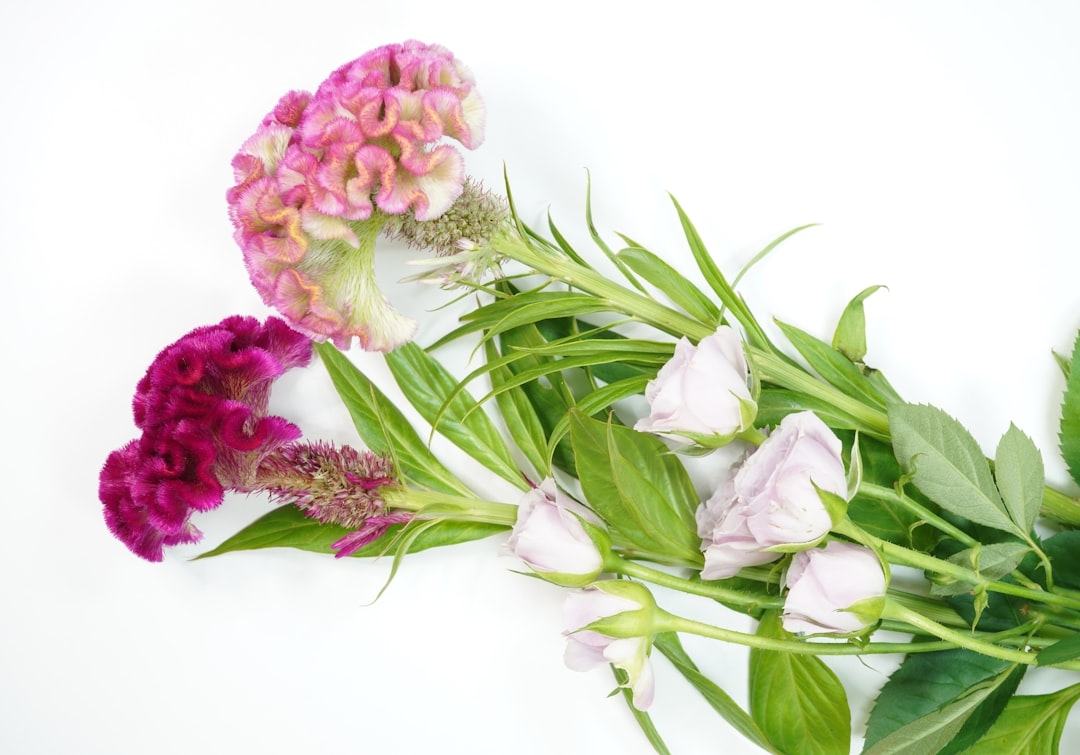
Bacteria thrive in neutral or alkaline water, forming slimy colonies that plug up flower stems fast. According to floristry consultant Marcus Dean, AIFD, “More than 80% of early vase failures are due to unseen stem blockages from microbes.” Lowering pH to 3.5-5.5 slows this process dramatically.
Best Practices to Limit Bacteria
- Change water every 48 hours, especially in warm rooms.
- Remove any foliage below the waterline.
- Recut stems under running water at a 45° angle.
- Always wash vases with soap (not just water) before reuse.
Not All Flowers Like the Same pH
Some floral favorites are more pH-sensitive than others. Here’s what decades of florist reports and research show for 2026:
- Tulips and irises: Prefer water above pH 4.0. Too acidic can cause stem burn.
- Roses and carnations: Thrive at pH 3.5-4.5.
- Hydrangeas: Benefit from a slightly higher pH (up to 5.5) to prevent petal browning.
- Dahlias: Particularly sensitive to bacteria, so precise pH control is critical.
For mixed arrangements, aim for pH 4.5 as a good compromise.
Florist Pro Tips for Longer-Lasting Blooms
- Always use distilled water if you live in a hard water area (e.g., Midwest cities with high-mineral tap water).
- Pre-condition stems–place fresh cuts in acidified water for 2 hours before arranging.
- For event work, add a hydration solution like Quick Dip (recommended by 2026 Teleflora seminars) before displaying.
- Document your results! Some florists keep a simple log of water pH vs. vase life to fine-tune their process.
Frequently Asked Questions
What pH should I aim for in my vase water?
Aim for a pH between 3.5 and 5.5 for most cut flowers. This range increases water uptake, slows bacteria, and keeps colors vibrant.
Can I just use tap water for cut flowers?
Most US tap water is too alkaline (pH 7-8.5). Without adjustment, flowers may droop faster and bacteria build up more quickly. Using commercial flower food or a few drops of lemon juice helps.
How do I lower the pH of my vase water?
Use a commercial flower food packet, or add a few drops of lemon juice (about 1/4 teaspoon per quart) and mix well. Always test with pH strips to avoid going too acidic.
Does pH matter for all flowers?
Most cut flowers prefer slightly acidic water, but extremes can harm certain varieties. Tulips and lilies, for example, need pH no lower than 4.0.
What happens if the pH is too low?
Water that is too acidic (below pH 3.5) can burn or damage stems, especially in sensitive species. Always measure after adding acids.
Ready for Longer-Lasting Flowers?
Experiment with your next bouquet: check your tap water’s pH, adjust as needed, and see how many more days of beauty you enjoy. Even a $2 pack of pH strips can save a $60 arrangement from an early demise. If you’re a home enthusiast or a professional florist, mastering the invisible art of pH isn’t just science–it’s the path to keeping every petal perfect.

Related Posts
Dried bouquet brands worth the splurge
The case for buying American-grown flowers