Can you have flowers in a baby’s room overnight
Contents:
- Quick Answer: Are Flowers Safe Overnight in a Nursery?
- Why Parents Consider Flowers for Nurseries
- Aesthetic and Emotional Benefits
- Celebrating Milestones
- Safety Considerations: What Every Parent Needs to Know
- Possible Risks
- The Essential Safety Checklist
- Best and Worst Flowers for a Baby’s Room
- Safe Flower Choices
- Flower Types to Avoid
- Allergies and Sensitivities in Babies
- Understanding Baby Allergies
- Preventative Steps
- Real-World Tips: How to Safely Display Flowers in a Nursery
- The Florist’s Guide
- Maintenance Routine
- The American Nursery: Flower Trends and US Market Options
- Popular Arrangements in US Nurseries
- Pricing Snapshot
- Frequently Asked Questions
- Can flowers cause health issues for newborns?
- Is it okay to leave flowers in a baby’s room overnight?
- Which specific flowers are best for a nursery?
- What signs of allergic reaction should I watch for?
- Are silk or fake flowers better than real ones for babies?
- Bringing It Home: How to Create a Safe, Beautiful Nursery
Can You Have Flowers in a Baby’s Room Overnight?
At 2:00 a.m., in the soft glow of a nightlight, a delicate vase of daisies is perched on a nursery shelf. The pastel bouquet lends a storybook charm. But is it safe? Many new parents debate whether keeping flowers in a baby’s room overnight is a harmless touch–or an unnecessary risk. Americans spend over $36 billion annually on flowers and plants, and nurseries are no exception. Yet, this seemingly small detail can raise big questions about a newborn’s safety and well-being.
Quick Answer: Are Flowers Safe Overnight in a Nursery?
Generally, most cut flowers are safe in a baby’s room overnight, as long as you avoid toxic species, monitor for allergies, and keep arrangements out of reach. Proper care–like changing the water daily and ensuring good ventilation–minimizes the risk of mold or strong scents overwhelming the space.
“Safety is all about thoughtful selection and care,” says Emily Price, AIFD Certified Florist based in Seattle.
Why Parents Consider Flowers for Nurseries
Aesthetic and Emotional Benefits
Fresh flowers can instantly transform a nursery. Studies from Rutgers University suggest that flowers boost mood and reduce stress–a big win for sleep-deprived parents. A vase of sunflowers or lavender sprigs can make middle-of-the-night feedings a little brighter.
Celebrating Milestones
American families often receive congratulatory bouquets for new arrivals. Celebratory arrangements from brands like 1-800-Flowers or local florists might arrive the same day the baby comes home. It’s tempting to display them front and center in the nursery.
Safety Considerations: What Every Parent Needs to Know
Possible Risks
-
Toxicity
- Some flowers are poisonous if touched or chewed. Curious toddlers and infants who start crawling may be at risk.
- Common toxic flowers in the US include lilies, foxglove, and oleander.
-
Allergens and Respiratory Irritants
- Pollen can trigger allergies or increase nasal congestion in sensitive babies.
- Strong floral scents, especially from lilies, hyacinths, or gardenias, may overwhelm tiny lungs.
-
Mold and Bacteria
- Standing water in vases, especially if unchanged, quickly becomes a breeding ground for bacteria and mold spores.
-
Choking Hazards
- Fallen petals and leaves may be picked up and mouthed by little explorers.
<blockquote>
“Babies are more vulnerable to environmental irritants,” notes Dr. Lindsey Harmon, pediatric allergist at Stanford Children’s Health. “What’s pleasant for adults can be overwhelming for infants.”
</blockquote>
The Essential Safety Checklist
- Place arrangements well out of reach–high shelves only.
- Change vase water every 24 hours.
- Remove wilting flowers promptly.
- Stick to hypoallergenic blooms with minimal scent.
- Double-check all plant varieties in your bouquet for safety.
Best and Worst Flowers for a Baby’s Room
Safe Flower Choices
Not all flowers are created equal when it comes to nursery safety. Here’s a quick reference on popular blooms:
| Flower Type | Toxic to Children | Allergenic Potential | Strong Scent? | Recommended for Nursery? |
|---|---|---|---|---|
| Roses | No | Low | Mild/None | Yes |
| Sunflowers | No | Low | Mild/None | Yes |
| Daisies (Gerbera) | No (Gerbera) | Moderate | Mild | Yes (if child not allergic) |
| Lilies | Yes | High | Strong | No |
| Tulips | Low | Moderate | Subtle | Yes, with monitoring |
| Baby’s Breath | No | Moderate | Subtle | Yes, with frequently changed water |
Flower Types to Avoid
- Lilies (all types)
- Foxglove
- Oleander
- Hydrangea
- Daffodil
- Sago Palm (not a true flower, but found in arrangements)
These should never be in any space where a baby might reach or inhale their scent or pollen.
Allergies and Sensitivities in Babies
Understanding Baby Allergies
Newborns can’t articulate discomfort. Symptoms like sneezing, watery eyes, fussiness, or nasal congestion after flowers are introduced may signal a problem. According to the CDC, roughly 7% of American children show allergic reactions to environmental triggers by age two.
Preventative Steps
- Opt for flowers with little to no pollen (e.g., hydrangeas, orchids, snapdragons).
- Choose unscented or hypoallergenic varieties.
- Run an air purifier in the nursery, especially during pollen-heavy spring months.
- If your baby has a family history of allergies or asthma, consult your pediatrician before bringing flowers indoors.
Real-World Tips: How to Safely Display Flowers in a Nursery

The Florist’s Guide
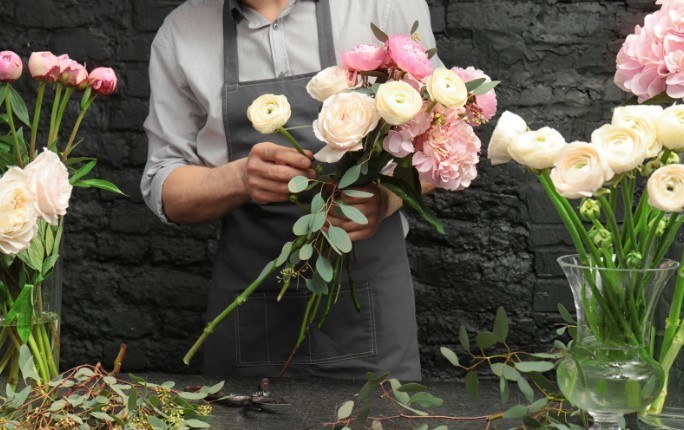
- Choose closed or low-pollen flowers: Ranunculus, peonies, orchids, and snapdragons are beautiful and release less pollen.
- Keep stems short: Smaller arrangements are easier to place safely out of reach.
- Pick ceramic or shatter-resistant vases: Glass can break if knocked over.
- Consider faux arrangements: High-quality silk flowers from U.S. brands like Afloral or Nearly Natural are zero-risk.
- Skip flower food: Most cut-flower preservatives are fine for adults but can contain mild toxins.
Maintenance Routine
- Wash vases thoroughly before use.
- Refill with fresh, cool water daily.
- Check for fallen petals or leaves every morning.
- Remove entire arrangement if you detect mildew or strong odor.
The American Nursery: Flower Trends and US Market Options
Popular Arrangements in US Nurseries
American parents gravitate toward softer palettes–think pastel roses, lisianthus, and gentle greenery. Online services like The Bouqs Co. and UrbanStems offer hypoallergenic, baby-safe selections with next-day delivery in most states.
Pricing Snapshot
- Small bouquet: $35-$60
- Designer arrangements: $100-$200+
- Silk arrangements: $50-$120 (one-time purchase)
“Today’s parents want beauty with peace of mind,” says Charlie Lim, lead botanist for UrbanStems, NY. “Demand for hypoallergenic blooms is up 22% since 2024.”
Frequently Asked Questions
Can flowers cause health issues for newborns?
Yes, in some cases. Certain flowers emit pollen or strong scents that can irritate sensitive newborns, causing congestion, watery eyes, or fussiness. Toxic flowers are a bigger risk if ingested or touched.
Is it okay to leave flowers in a baby’s room overnight?
Generally yes, if the flowers are non-toxic, low-pollen, and the arrangement is well-maintained and out of reach. Change water daily and watch for allergy symptoms.
Which specific flowers are best for a nursery?
Roses, sunflowers, snapdragons, and orchids are among the safest choices. Avoid lilies, foxglove, and oleander.
What signs of allergic reaction should I watch for?
Look for sneezing, rashes, watery eyes, cough, or unusual fussiness soon after introducing flowers. Remove flowers and consult your pediatrician if symptoms persist.
Are silk or fake flowers better than real ones for babies?
Yes. High-quality artificial flowers carry zero risk of pollen allergies or toxicity, and they’re maintenance-free.
Bringing It Home: How to Create a Safe, Beautiful Nursery
A nursery should be a place of calm, comfort, and joy. If you love the idea of fresh flowers, stick to safe, hypoallergenic varieties and follow a strict care routine. Not sure? Gorgeous silk arrangements or cheerful, cartoon vases can offer all the whimsy and color–without a single sniffle. Remember, every baby is different. Start small, observe closely, and adjust your floral choices as your child grows.
Next time a bouquet arrives at your doorstep, scan it with fresh eyes. With a little planning, flowers can safely be part of your baby’s nightly routine, making memories as sweet as the blooms themselves.

Related Posts
Dried bouquet brands worth the splurge
The case for buying American-grown flowers