Macro flower photography lens guide
Contents:
- Best Macro Flower Photography Lenses: Quick Answer
- Why Macro Lenses Matter in Floristry Photography
- The 1:1 Magnification Sweet Spot
- Optical Design and Flower Detail
- Focal Lengths Explained: Getting the Right Working Distance
- 90-105mm: The Florist’s Favorite
- Going Longer: 180mm for Outdoor Florals
- Autofocus, Stabilization, and Manual Focusing
- Autofocus: Fast, Quiet, and Accurate
- Vibration Reduction (VR) and Optical Stabilization (OSS)
- Manual Focus: The Critical Edge
- Budget, Third-Party, and Used Lens Options
- Reliable Third-Party Options
- Vintage and Manual Lenses
- Renting Before Buying
- Specialty Macros and Creative Techniques
- Soft Focus and Dreamy Effects
- Ultra-Macro and Stacking
- Tilt-Shift Lenses for Artistic Depth
- Accessories to Elevate Your Flower Macro Photography
- Pull-Quote
- FAQ
- What does 1:1 macro mean in flower photography?
- Which focal length macro lens is best for flowers?
- Can I use extension tubes for macro flower photos?
- Why is image stabilization important for macro?
- Are third-party macro lenses good for beginners?
Macro Flower Photography Lens Guide
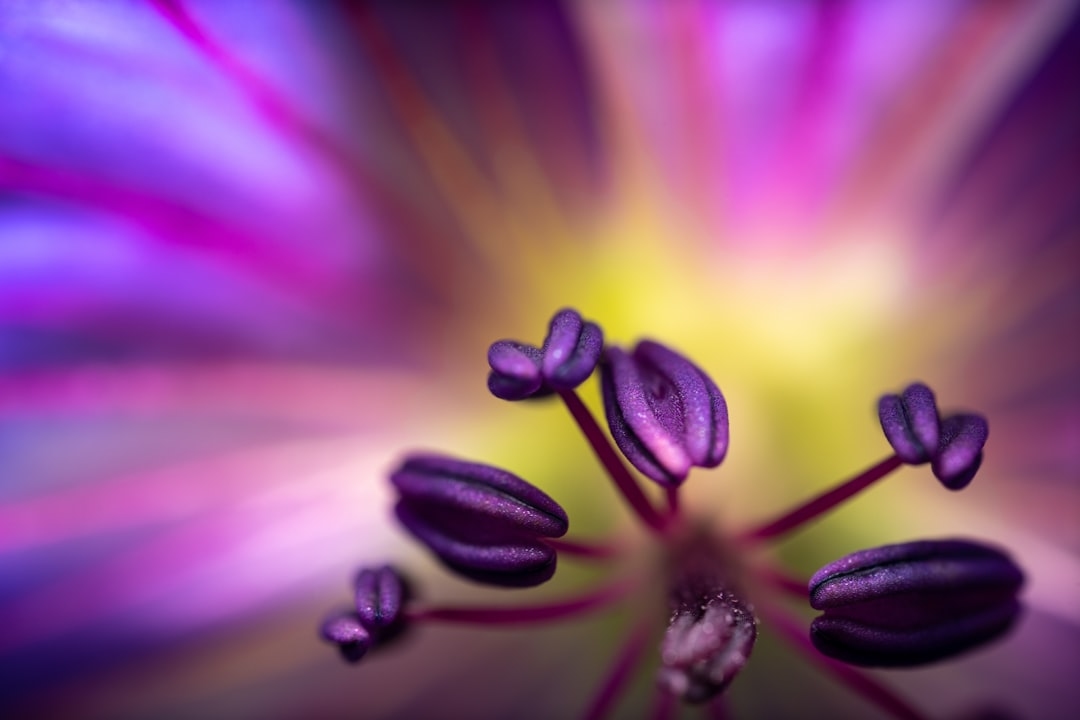
What catches the eye in a single violet petal, dusted with dew? Or the velvet darkness in the heart of a tulip? Macro flower photography doesn’t just reveal details; it reenchants familiar blooms, turning ordinary roses or lilies straight out of a Trader Joe’s bouquet into works of art. But capturing those textures and veins–sharp, luminous, alive–demands the right lens. The difference between a photo that pops and one that flops? Often, it’s glass.
Best Macro Flower Photography Lenses: Quick Answer
What’s the best macro lens for flower photography in 2026? For most US photographers, the top choices are:
- Canon RF 100mm f/2.8L Macro IS USM ($1,299): Exceptional sharpness, true 1:1, unique Spherical Aberration Control for dreamy or ultra-sharp looks.
- Nikon Z MC 105mm f/2.8 VR S ($999): Unbeatable clarity, image stabilization, and reliable autofocus for Nikon mirrorless shooters.
- Sony FE 90mm f/2.8 Macro G OSS ($1,098): Fast AF, pro-grade sharpness, optical stabilization–used by fine-art flower photographers across the US.
- Sigma 105mm f/2.8 DG DN Macro Art ($799, for Sony E and L-mount): Outstanding value, pro sharpness, weather-sealed.
Budget pick: Tokina atx-i 100mm f/2.8 FF Macro ($429, for Canon/Nikon DSLR)–excellent for starting out, 1:1 reproduction.
Why Macro Lenses Matter in Floristry Photography
Flower photography doesn’t forgive sloppy optics. Petal edges, pollen grains, even tiny insects–all demand high resolving power. The best macro lenses for floristry reveal more than the eye sees.
The 1:1 Magnification Sweet Spot
True macro means your lens can project a life-size image onto the camera sensor. That’s 1:1 magnification. Many zooms claim “macro” but max out at 1:3 or even 1:5–fine for close-ups, not actual macro.
Florist and judge for the 2026 National Flower Photography Awards, Maria Chen (MFA, AIFD), explains:
“A real macro lens lets you focus so tight, you can see the shimmer on a poppy’s stamen. I use a 100mm macro for 80% of my studio work.”
Optical Design and Flower Detail
Macro lenses use floating elements and specialized coatings to reduce distortion and chromatic aberrations. This is crucial when shooting white lilies or purple orchids, which can easily show green or magenta color fringes with standard lenses.
Most modern macros (released 2020-2026) have advanced coatings like Canon’s Air Sphere, Sony’s Nano AR, or Sigma’s Super Multi-Layer, cutting down flare in harsh sun or greenhouse lights.
Focal Lengths Explained: Getting the Right Working Distance
In the US market, macro primes fall mainly into three groups–and the difference is more than specs.
| Lens Focal Length | Typical Working Distance (at 1:1) | Best For | Example Lenses |
|---|---|---|---|
| 50-60mm | 2-4 inches | Tabletop, small setups | Canon RF 85mm f/2 Macro IS STM |
| 90-105mm | 5-7 inches | Versatile, most florals | Sony 90mm f/2.8, Nikon 105mm f/2.8 |
| 150-200mm | 9-15 inches | Outdoor, sensitive subjects | Sigma 180mm f/2.8, Canon 180mm L |
90-105mm: The Florist’s Favorite
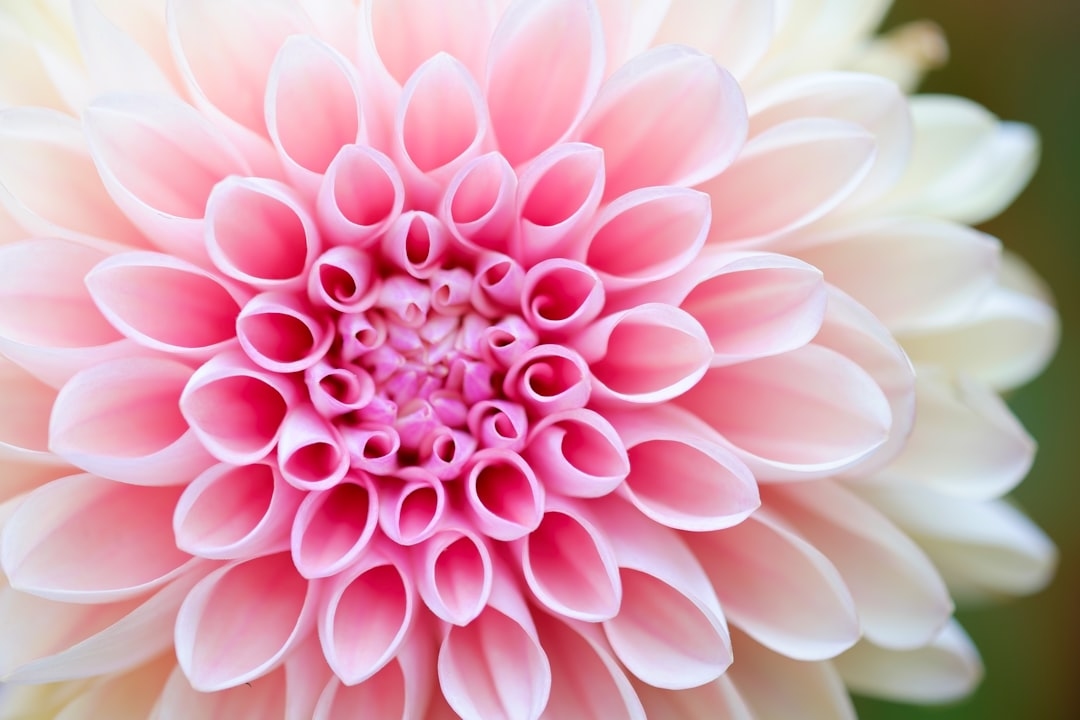
A 100mm macro is the “Goldilocks” for flowers–enough reach to avoid shadows and not scare off pollinators, but still handholdable. Most pro floral photographers in the US cite this range as their go-to.
Going Longer: 180mm for Outdoor Florals
Shooting wildflowers at the Brooklyn Botanic Garden or California super blooms? A 150mm or 180mm macro lets you capture fragile stems without trampling the plants, and the compressed perspective makes backgrounds melt away.
Autofocus, Stabilization, and Manual Focusing
Flowers sway. Studio setups sometimes call for razor-precise manual focus, but outdoor work is faster with autofocus and stabilization.
Autofocus: Fast, Quiet, and Accurate
Modern mirrorless lenses from 2022 onward (like the Canon RF 100mm, Nikon Z 105mm, and Sony 90mm) offer lightning-quick AF with focus limiters–key when tracking bees or butterflies on petals.
James Rowley, botanical photographer for “American Florist Magazine,” notes:
“Hybrid AF motors on newer macro lenses are so smooth, I can shoot hand-held in my neighborhood garden and get a tack-sharp shot before the light changes.”
Vibration Reduction (VR) and Optical Stabilization (OSS)
Handholding a macro at 1:1? Stabilization is a must, especially at slower speeds–think golden-hour shoots in Central Park.
- Nikon’s VR and Sony’s OSS deliver 4-5 stops of shake reduction.
- Canon’s newer RF macros combine lens and in-body stabilization for up to 8 stops, according to Canon USA (2026).
Manual Focus: The Critical Edge
For compositions at extreme close-ups, manual focus is a lifesaver. Focus peaking and “magnify” views on most 2026 mirrorless cameras make nailing pollen grains or unfurling petals almost easy.
Budget, Third-Party, and Used Lens Options
Macro doesn’t have to mean pricey. The US used gear market is full of bargains, and brands like Tamron, Sigma, and Tokina make pro-quality glass for less.
Reliable Third-Party Options
- Sigma 105mm f/2.8 DG DN Macro Art: Sharpness rivals OEM, weather-sealed, and under $800.
- Tamron 90mm f/2.8 Di VC USD: Long a favorite with wedding florists, includes stabilization, $649 new, often $400-$500 used.
Vintage and Manual Lenses
Older manual focus macros–Nikon Micro-Nikkor 55mm, Canon FD 100mm, or Minolta Rokkor 100mm–offer unique rendering for creative projects. Use with adapters on modern mirrorless bodies.
Renting Before Buying
US rental houses like Lensrentals and BorrowLenses let you test lenses for as little as $39/week (for a 100mm macro). Perfect for deciding what focal length or look suits your style.
Specialty Macros and Creative Techniques
Flower photography isn’t just about sharpness. Unique lenses and gadgets let you play with softness, perspective, and even extreme magnification.
Soft Focus and Dreamy Effects
The Canon RF 100mm f/2.8L Macro IS has a Spherical Aberration ring that adds adjustable softness–a favorite for wedding florists and editorial shooters after ethereal, painterly looks.
Ultra-Macro and Stacking
Want more than 1:1? Attachments like the Canon MP-E 65mm f/2.8 (up to 5:1 magnification) or Laowa 25mm Ultra Macro (2.5-5x) reveal pollen grains as alien worlds.
For ultra-sharp, all-in-focus blooms, photographers use focus stacking–combining 10-40 images at different focus points in software like Helicon Focus or Photoshop 2026.
Tilt-Shift Lenses for Artistic Depth
Tilt-shifts aren’t typical macros, but lenses like the Canon TS-E 90mm f/2.8L Macro let you control the plane of focus for flower “portraits” with dramatic depth effects.
Accessories to Elevate Your Flower Macro Photography
- Tripod with reversible center column ($120+): For ground-level perspectives and long exposures.
- LED ring lights or small reflectors (like the Godox Ring48, $40): Soften shadows and highlight petal textures.
- Macro focusing rails ($60+): Move the camera smoothly for perfect focus, crucial for stacking.
- Remote shutter release ($25): Prevent camera shake in high-magnification shots.
Pull-Quote
“The right macro lens turns any backyard bouquet into a universe of pattern and color. Invest in optics–you’ll see magic in every bloom.”
–Dr. Maya Stoller, Horticulturist & Macro Instructor, Vermont Botanical Institute
FAQ
What does 1:1 macro mean in flower photography?
A 1:1 macro lens captures a subject at life-size on a camera sensor. For example, a 15mm daisy petal will measure 15mm on the sensor. This magnification is essential for revealing fine floral details.
Which focal length macro lens is best for flowers?
Lenses between 90-105mm are most popular for flower photography, offering enough working distance to avoid shadows and not disturb delicate subjects. They also provide great background blur (bokeh).
Can I use extension tubes for macro flower photos?
Yes, extension tubes fit between the camera and lens to enable closer focusing. While not as sharp as true macro lenses, they’re a budget-friendly way to experiment with detailed floral shots.
Why is image stabilization important for macro?
At high magnification, even tiny hand movements can blur a photo. Modern macro lenses with stabilization (like OSS or VR) enable hand-held shooting with sharp results, especially outdoors.
Are third-party macro lenses good for beginners?
Absolutely. Brands like Sigma, Tamron, and Tokina offer macro lenses that deliver excellent sharpness and build quality for less than first-party options–ideal for starting out or as a backup.
Looking for your perfect macro flower photography lens? Try renting a couple, or visit a local camera shop to test focus and ergonomics in your own hands. A great lens makes every stem, petal, and pollen grain a new adventure. Don’t wait for spring–grab that bouquet and start shooting. Your next favorite photo might be hiding in a grocery store floral aisle.

Related Posts
Dried bouquet brands worth the splurge
The case for buying American-grown flowers