Flowers that close at night
Contents:
- Which Flowers Close At Night? (Quick List)
- The Science Behind Flowers That Close at Night
- Why Do Flowers Close at Night?
- Popular US Garden Flowers That Close at Night
- Morning Glories (Ipomoea tricolor)
- California Poppy (Eschscholzia californica)
- Marigold (Tagetes spp.)
- Tulip (Tulipa spp.)
- Gazania (Gazania rigens)
- More Than a Quirk: Why Nyctinasty Matters in Floristry
- Scrollworthy Table: Open vs. Closed Flowers
- The Evolutionary Secret: How Night-Closing Flowers Thrive
- Nyctinasty and Pollinators
- How to Grow Night-Closing Flowers in Your US Garden
- Choose the Right Seeds or Starts
- Plant for Sun and Drainage
- Expect Seasonal Changes
- Partner Plants
- Night-Closing Flowers in Culture and Art
- Flowers That Close at Night: FAQ
- What is the phenomenon of flowers closing at night called?
- Are closed flowers unhealthy or stressed?
- Can I use night-closing flowers in bouquets?
- Are all flowers that close at night annuals?
- Will artificial lights in my garden stop flowers from closing at night?
- Try It Out: Track Your Flowers’ Bedtime This Week
Flowers That Close at Night: Nature’s Sleepytime Magic
Picture the familiar marigold in your neighbor’s garden, its golden petals open wide by day. But as dusk falls, the blooms slowly curl shut, as if the plant is tucking itself in for the night. Not every flower sleeps with the sun, but those that do–nicknamed “nyctinastic” flowers–have inspired gardeners, scientists, and poets for centuries. There’s more happening here than meets the eye.
Which Flowers Close At Night? (Quick List)
Some flowers close their petals every evening in response to darkness–a behavior called nyctinasty. Common US garden flowers that close at night include:
- Morning Glory (Ipomoea tricolor)
- Tulip (Tulipa spp.)
- California Poppy (Eschscholzia californica)
- Marigold (Tagetes spp.)
- Oxalis (Oxalis spp.)
- Lotus (Nelumbo nucifera)
- Crocus (Crocus spp.)
- Gazania (Gazania rigens)
This nightly routine isn’t just for show; it helps flowers conserve pollen, deter pests, and survive unpredictable weather.
The Science Behind Flowers That Close at Night
Nyctinasty–the technical term for flowers closing at night–is like a plant’s answer to circadian rhythm. According to Dr. Layla Kim, a plant physiologist at the University of Wisconsin-Madison, “Nyctinastic movement is triggered by changes in light and temperature. Specialized cells at the base of flower petals swell or shrink in response, causing the bloom to open or close.”
Why Do Flowers Close at Night?
- Pollen Protection: Closing up shields sensitive pollen from nighttime moisture and dew.
- Pest Defense: Fewer open petals make it harder for nocturnal insects to snack.
- Resource Conservation: Conserving energy, water, and nutrients when pollinators aren’t active.
A 2024 study in the American Journal of Botany found that marigolds lost 42% less pollen overnight when closed than when propped open artificially in greenhouse trials.
“Flowers are more tuned to their environment than most people realize.”
–Dr. Greg Foster, Horticulturist, Austin, TX
Popular US Garden Flowers That Close at Night
Let’s walk through which familiar blooms pack up for a nightly nap–and why adding them to your yard brings a touch of botanical wonder.
1. Morning Glories (Ipomoea tricolor)
Classic in cottage gardens, morning glories unfurl their trumpet-shaped blooms at sunrise and fold them away by late afternoon or evening.
- Colors: Deep blue, purple, white, pink
- USDA Zones: 3-10
- Notable: Flowers usually last only a day; each morning brings a new show.
2. California Poppy (Eschscholzia californica)
California’s state flower is legendary for its sunset ritual. The papery orange blossoms snuggle up tight before dark or on cloudy days.
- Heat & Drought Tolerant: Perfect for Southwestern gardens.
- Bloom Period: March through October in most of the US.
3. Marigold (Tagetes spp.)
Beloved in American beds and borders. Most marigold varieties, especially the French and African types, partially or fully close after dark.
- Pest Repellent: Also keeps some garden bugs at bay.
- Availability: Common at Home Depot, Lowe’s, and local nurseries, $3-7/pack.
4. Tulip (Tulipa spp.)
Though better known for their spring flair, tulips practice nightly closure–especially in response to chillier nighttime temps.
- Hybridization: Newer US varieties bred for longevity may close less tightly than old-world types.
5. Gazania (Gazania rigens)
With daisy-like, often bi-colored blooms, gazanias close every night and during heavy overcast.
- Best For: Rock gardens or xeriscaping.
- Native: South Africa, but widely used across California and the Southwest.
Pull-Quote
“When I see my tulips closing for the night, I feel the garden is breathing with the earth.”
–Jessica Turner, owner, Turner’s Florals, Denver, CO
More Than a Quirk: Why Nyctinasty Matters in Floristry
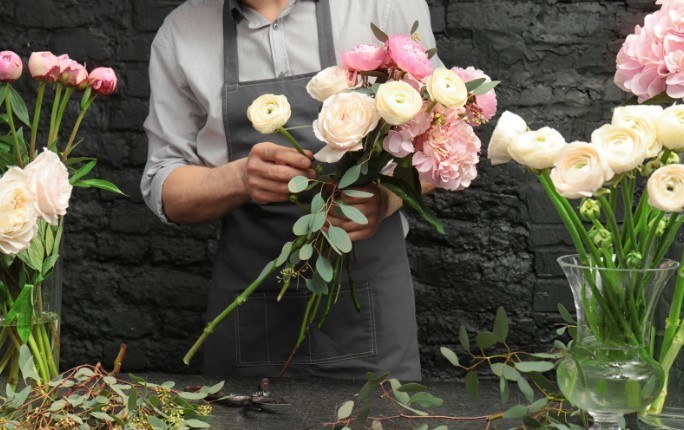
Flower shops from New York to San Francisco pay attention to nyctinastic behavior. Why? Because flowers that close at night often last longer as cut stems and can be timed to open during display hours.
Scrollworthy Table: Open vs. Closed Flowers
| Flower | Behavior at Night | Florist Tip |
|---|---|---|
| Morning Glory | Closes quickly after noon | Best as a garden vine, not cut |
| Tulip | Partially closes at dusk | Hydrate in the dark to minimize petal drop |
| California Poppy | Fully closes at night | Avoid as cut flower; petals drop quickly |
| Gazania | Shuts petals after sunset | Use for event mornings, not evening bouquets |
| Marigold | Partially closes at night | Long vase life, great for party centerpieces |
According to data from the National Association of Flower Shops, sales of marigold arrangements increased 17% in 2025, partly due to their night-closing trait, which helps retain that “just-picked” look.
The Evolutionary Secret: How Night-Closing Flowers Thrive
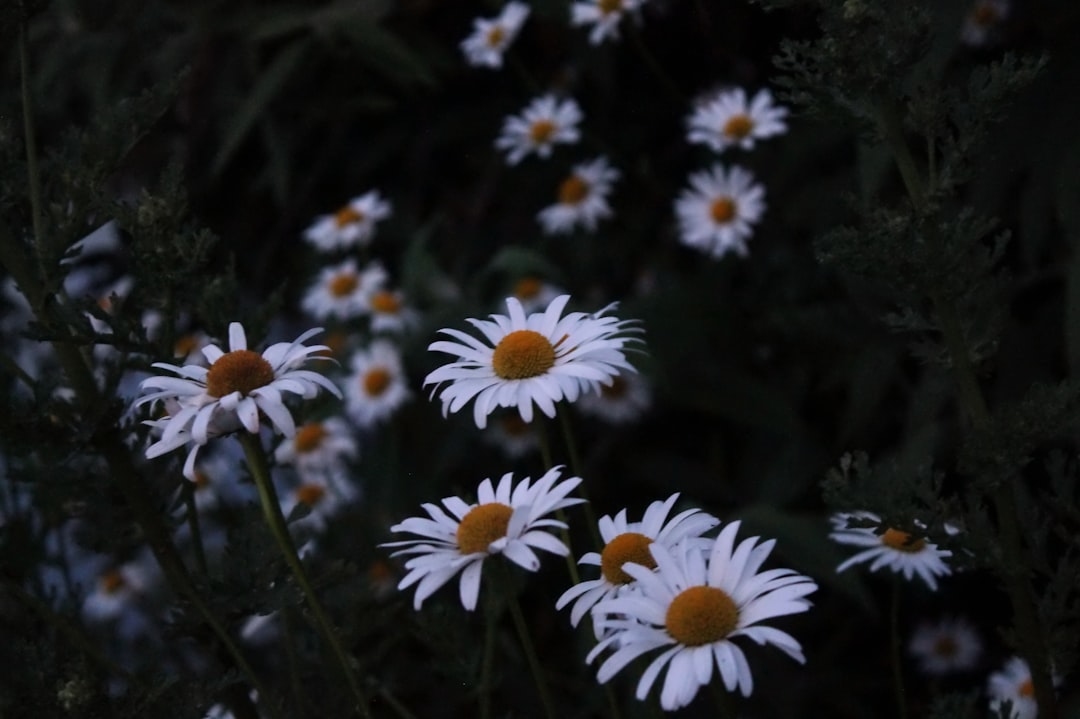
It’s not random chance–flowers closing at night is an adaptation honed over millions of years. In prairie and desert climates, rapid cooling after sunset means open flowers risk frost damage or dew-soaked pollen. Closing petals creates a mini microclimate, protecting reproductive parts.
Dr. Melinda Sanchez, a botanist at Arizona State University, notes: “We see more night-closing species in climates with dramatic temperature swings. It’s one of nature’s elegant solutions for survival.”
Nyctinasty and Pollinators
- Daytime Bees & Butterflies: Flowers unfurl when daytime pollinators are busiest.
- Nighttime Moths: Night-bloomers (like moonflowers) often open at dusk instead, showing the flip side of this trait.
How to Grow Night-Closing Flowers in Your US Garden
Want your landscape to join this circadian rhythm? Here’s how to cultivate a little bedtime magic at home.
1. Choose the Right Seeds or Starts
Look for varieties tagged as “day-blooming” or with nyctinastic traits at US retailers. Burpee, Johnny’s Selected Seeds, or local garden centers all carry reliable options.
2. Plant for Sun and Drainage
Most night-closing flowers love full sun (6+ hours per day) and well-drained soil. Water in the morning so roots aren’t soggy at bedtime.
3. Expect Seasonal Changes
Flowers close at night and on cloudy days. Don’t panic if your poppies “sleep in” during a chilly spring.
4. Partner Plants
Pair with night-bloomers (like evening primrose) or ever-open varieties for continuous color.
Night-Closing Flowers in Culture and Art
Nyctinastic blooms star in American poetry, painting, and even children’s books. From Emily Dickinson’s garden musings to contemporary home décor, the idea of flowers “sleeping” has a special resonance.
- Kids’ Science Kits: Popular brands (KiwiCo, National Geographic) include time-lapse projects tracking flower movement.
- Art Prints: Etsy and Society6 sellers report a 25% boost in sales of “sleeping flower” artwork in 2025.
Flowers That Close at Night: FAQ
What is the phenomenon of flowers closing at night called?
Flowers that close at night are displaying “nyctinasty”–a movement triggered by darkness and temperature shifts, causing petals or leaves to fold shut until morning.
Are closed flowers unhealthy or stressed?
No, closure is a natural, healthy behavior that helps protect pollen and conserve resources. Flowers open again with daylight unless exposed to extreme stress or disease.
Can I use night-closing flowers in bouquets?
Yes, but timing is key. Arrange them in the morning or display bouquets during the day for best visual impact. Some, like marigolds, hold up better as cut flowers than others.
Are all flowers that close at night annuals?
No, both annuals (like poppies) and perennials (like tulips) show nyctinasty. The trait depends on the species, not whether it returns each year.
Will artificial lights in my garden stop flowers from closing at night?
Bright artificial lighting can disrupt normal closing behavior. For true night-closing action, plant away from strong lamps or use automatic timers to mimic natural light cycles.
Try It Out: Track Your Flowers’ Bedtime This Week
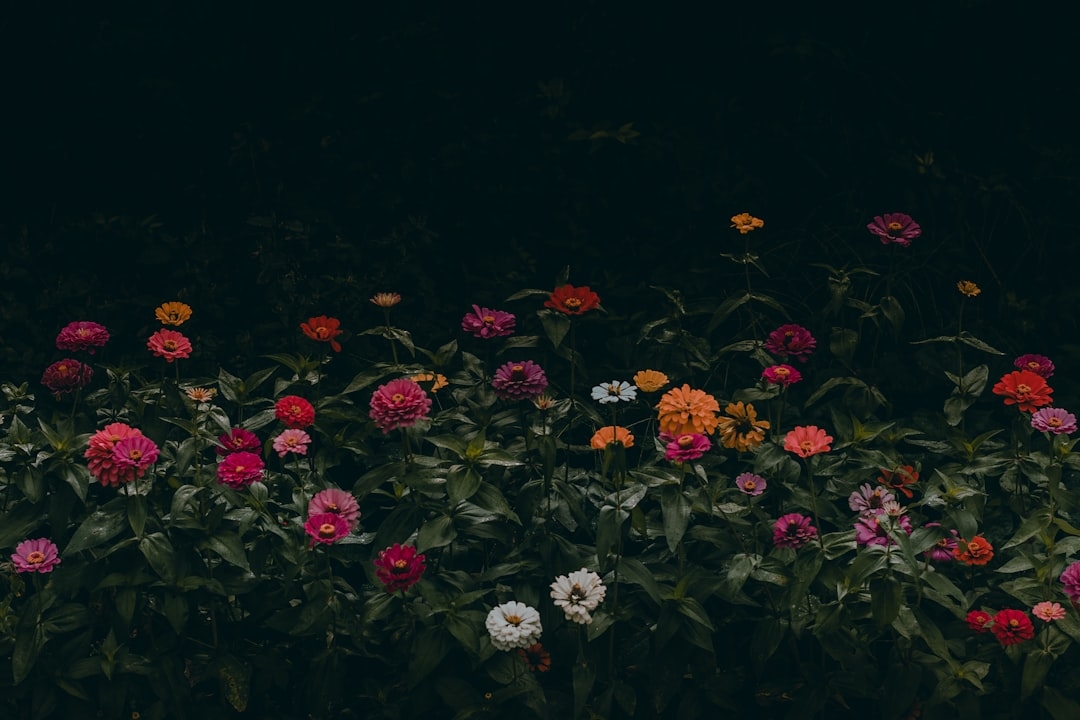
Here’s something to do on your next late stroll: note which flowers in your yard are still open at dusk. Snap photos before and after sunset, or even set up your phone for a time-lapse. You may discover new patterns–and appreciate the quiet dance of your garden’s most subtle performers. This small experiment could turn you into a night-blooming flower fan for life.

Related Posts
Dried bouquet brands worth the splurge
The case for buying American-grown flowers