Why some flowers open more after cutting
Contents:
- Quick Answer: Why Do Some Flowers Open More After Cutting?
- The Science Behind Post-Cut Flower Opening
- Hormonal Changes: Ethylene and Growth
- Water Uptake: The Big Drink
- Which Flowers Open After Being Cut? (And Which Don’t)
- Environmental Factors: Temperature, Water, and Light
- The Role of Water Quality
- Why Temperature Matters
- Light Exposure
- The Flower’s Stage at Cutting
- Tricks Florists Use to Encourage Opening
- Why Don’t All Flowers Open After Cutting?
- Home Flower Care: Get the Most from Your Blooms
- List: Top 5 Flowers That Open After Cutting
- FAQ
- Why do my store-bought flowers open so quickly after I get them home?
- Are there tricks to make cut flowers open faster for an event?
- Can I prevent my flowers from opening too quickly?
- Why do some flowers never open after cutting?
- What is the best way to choose flowers for longer vase life?
Why Some Flowers Open More After Cutting
Picture this: a bunch of peonies in a glass vase, tightly furled buds in the morning, but by late afternoon, soft petals billow wide, suddenly filling your living room with their perfume. Strange, right? Freshly cut, you’d think flowers would slow down – but some of them seem to bloom even faster after you bring them indoors.
Quick Answer: Why Do Some Flowers Open More After Cutting?
When certain flowers are cut, they’re exposed to more water, oxygen, and sometimes sugar (from flower food). These factors can prompt unopened blooms to rapidly open. The shock of being cut disrupts growth inhibitors and, with the right conditions–like fresh water and proper temperature–flowers such as lilies, tulips, and peonies often continue or even accelerate their blooming process in the vase.
The Science Behind Post-Cut Flower Opening
After a stem is severed, it’s all about survival mode. According to Dr. Mia Larkin, PhD in Plant Physiology at California State University, “Cutting a flower interrupts its hormone signals, especially those that suppress blooming. If the flower is mature enough, the interruption triggers rapid petal expansion to fulfill its biological purpose–attracting pollinators–even in a vase.”
Hormonal Changes: Ethylene and Growth
When flowers are on the plant, hormones like auxins and cytokinins regulate their development. A major player here is ethylene, the “aging hormone.” Cutting a stem can cause ethylene production to spike or, conversely, disrupt its flow, depending on the species. For flowers like roses or tulips, this disruption often results in quicker bud opening.
Water Uptake: The Big Drink
Plants in a garden have to manage water up from the roots, but in a vase, the stem sits in a reservoir. This allows for easy hydration, which is key. Hydrated cells swell, pushing open petals. The process is especially dramatic with flowers that were cut just before blooming, such as Dutch peonies, which wholesalers ship in a pre-bud state so Americans can enjoy the unfolding at home.
Key Detail
- Fact: According to the Society of American Florists, up to 80% of cut flowers in US floral shops are harvested just before their “full bloom” stage. This is done precisely so customers will get to see the magic of opening petals over several days.
Which Flowers Open After Being Cut? (And Which Don’t)
Not all blooms behave equally. Here’s a handy table:
| Flower Type | Likelihood to Open After Cutting | Notes/Best Practices |
|---|---|---|
| Peonies | High | Cut in bud stage; open fully in 1-2 days |
| Lilies | High | Unopened buds often open in vase |
| Roses | Medium-High | Outer petals may brown if water isn’t clean |
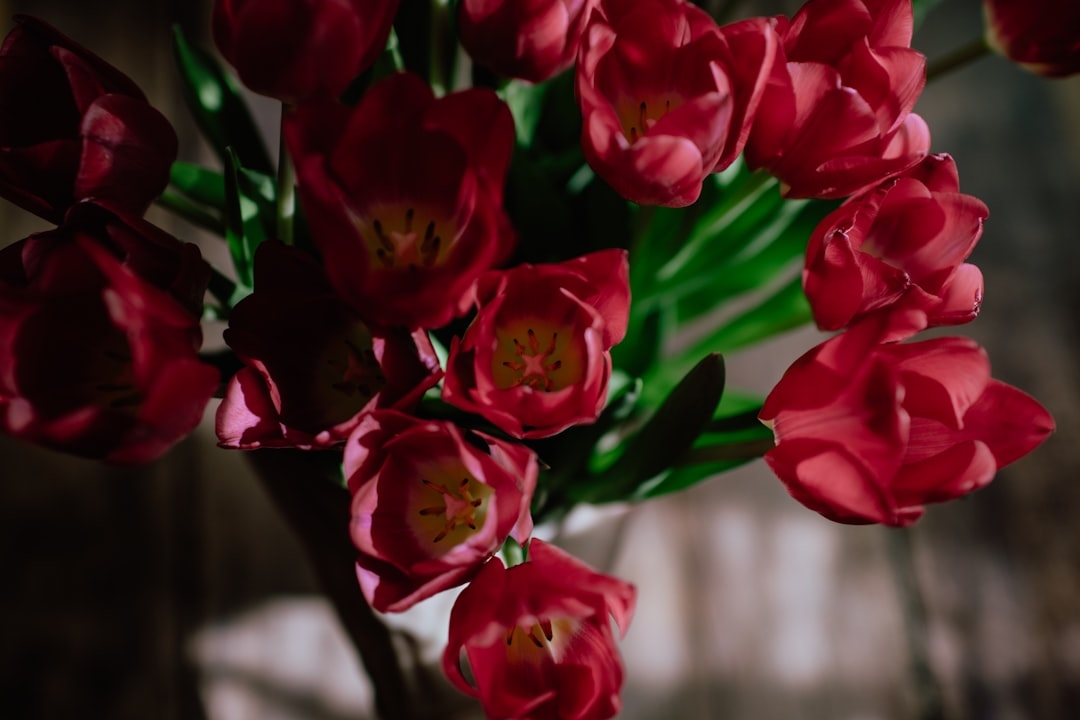
| Tulips | High | Continue growing and opening in the vase |
| Daffodils | Medium | Some open, but sap can affect other flowers |
| Irises | Medium | Need cool water to open well |
| Carnations | Low-Medium | Slow openers; often sold partially in bloom |
| Orchids | Low | Rarely open more after cutting |
| Sunflowers | Low | Usually sold fully open |
“Some flowers, like lilies and peonies, are almost designed to be shared at this transitional stage–watching their slow unfurling is one of the joys of floral design.”
– Sarah Bennett, AIFD Certified Florist, New York City, 2026
Environmental Factors: Temperature, Water, and Light
The Role of Water Quality
Clean water is critical. Bacteria in old water will block the xylem (the flower’s water pipes). Use filtered or distilled water for best results–tap water in many US cities is treated with chlorine, which can stress sensitive flowers like roses.
- Florist tip: Add a packet of floral food (often included with bouquets from places like The Bouqs Co. or UrbanStems) to extend vase life and support blooming.
Why Temperature Matters
- Cooler rooms (60-68°F): Slow down the opening process, extending vase life.
- Warmer rooms (70+°F): Speed up blooming but shorten how long the flowers last.
Experienced florists suggest keeping newly cut bouquets away from direct sunlight, heaters, or overly warm kitchens if you want to savor the process.
Light Exposure
Light can also trigger opening in some species, especially tulips and daffodils. However, too much sun in a vase often equals wilt. Aim for bright, indirect light.
The Flower’s Stage at Cutting
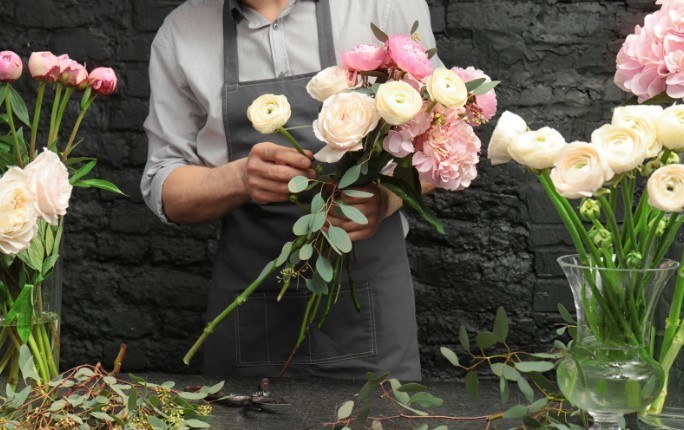
A surprising insight: American florists often request flowers in a “tight bud” stage, especially for major events or holidays. Wholesale suppliers like Mayesh or Flower Moxie ship cold-packed blooms from growers in California, Colombia, or Holland, often sending peonies and lilies while still closed.
Why? Timing. Receiving flowers before opening means:
- Longer shelf life in the shop
- Customers enjoy the bloom cycle at home
- Higher flexibility for event designs
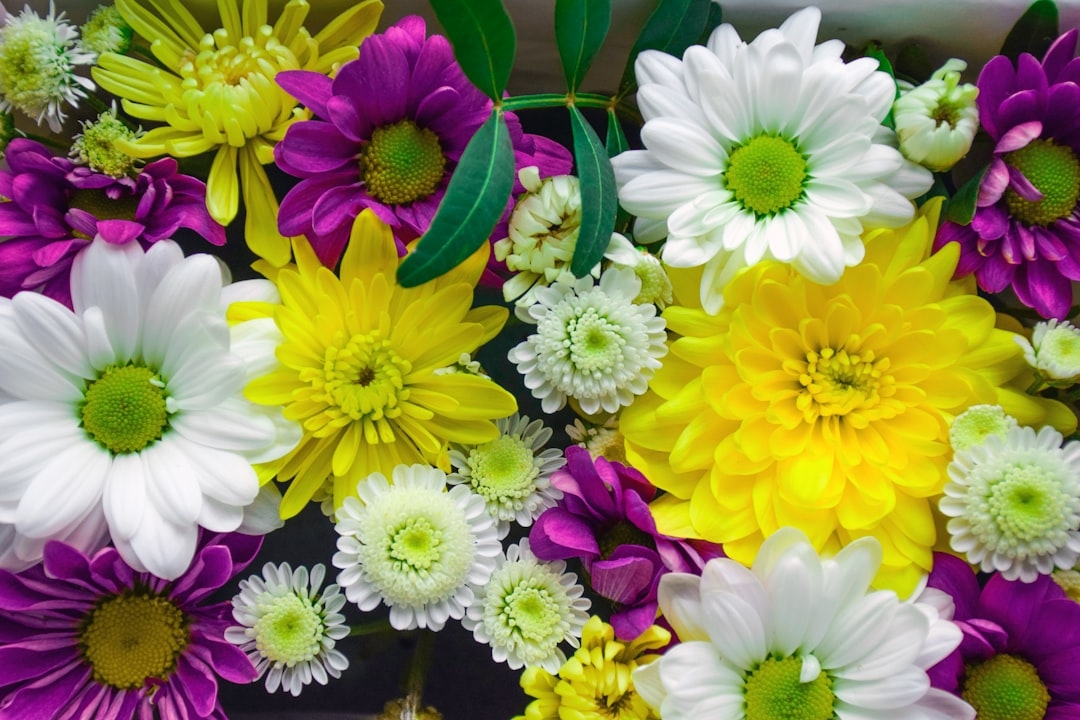
But there’s a sweet spot. If cut too early (immature), the flower may never open. Too late, and it might drop petals after a day in your vase.
Tricks Florists Use to Encourage Opening
Professional florists know a few secrets for coaxing stubborn buds:
- Warm Water Dip: Dip the bottom of tight flower stems (like peonies) in warm water (110°F) for a few seconds, then recut and place in room-temperature water.
- Steam Bath: Hold closed buds over steam for 10-15 seconds. This softens the petals and helps them unfurl.
- Sugar and Acid: Many flower foods mix sugar with a mild acid (like citric acid) to feed the bloom and keep water pathways open.
- Petal Massage: Gently massage the outside of peony or rose buds to loosen tight petals.
- Removing Guard Petals: Florists often remove the outer “guard petals” from roses and peonies–these protect the bud in transit but can make opening uneven.
Why Don’t All Flowers Open After Cutting?
The list above hints at some flowers that just don’t transform after you bring them home. The reasons are varied:
- Biological stage: Some flowers, like orchids, are harvested at peak bloom. They don’t have extra “stored” energy to open further.
- Genetics: Certain cultivars (especially designer roses) are bred to last long in the vase, not to open dramatically.
- Transport stress: Flowers left too long in transit, or subjected to cold damage, may never open.
“Tulips are the drama queens of the vase–they’ll keep growing and opening, sometimes stretching inches taller overnight. But forget about sunflowers–they’re as open as they’ll ever be when they hit the shop.”
– James Park, Lead Designer, Oak & Vine Florals, Austin, TX, 2026
Home Flower Care: Get the Most from Your Blooms
Ready to try your own experiment at home? Here’s a cheat-sheet for making those flowers open beautifully:
- Recut stems (at a 45-degree angle) under water to avoid air blockages.
- Remove any leaves below the water line–rotting leaves breed bacteria.
- Use clean vases: Wash thoroughly before adding fresh water.
- Add flower food: Most bouquets from US delivery brands include it–don’t skip this step.
- Refresh water every two days.
List: Top 5 Flowers That Open After Cutting
- Peonies
- Lilies
- Tulips
- Alstroemeria (Peruvian lily)
- Ranunculus
FAQ
Why do my store-bought flowers open so quickly after I get them home?
Most market bouquets are cut just before the blooms open. Once you bring them home and place them in fresh water, the change in temperature and increased hydration accelerate the natural opening process.
Are there tricks to make cut flowers open faster for an event?
Yes. Place the bouquet in slightly warmer water in a bright (but not direct sun) spot. For especially tight buds, use a brief warm-water soak or gentle steam, as florists do before weddings and parties.
Can I prevent my flowers from opening too quickly?
To slow down the blooming, keep flowers in a cooler room (ideally below 68°F) and away from heat sources. Change water often and use flower food to preserve freshness.
Why do some flowers never open after cutting?
If a flower was cut too early while still immature, or suffered cold or transit shock, it may lack the internal resources (sugar, hormones) to finish opening. Some species, like orchids, are not designed to open after harvest.
What is the best way to choose flowers for longer vase life?
Look for blooms in the early bud stage with green, healthy stems. Avoid flowers with yellowing leaves or petals already falling off. Ask your florist when the flowers were delivered–timing can make a big difference.
Next time you pick up a bouquet, keep an eye on your blooms. With the right care (and a little patience), you can watch a burst of color unfold right in your own kitchen. Try timing your next event purchase for a day or two before, so the opening blossoms become part of the celebration itself.

Related Posts
Dried bouquet brands worth the splurge
The case for buying American-grown flowers