The Harvard study on flowers and morning mood
Contents:
- The Harvard Study on Flowers and Morning Mood: Direct Answer
- Inside the Harvard Research: Flowers as a Morning Mood Booster
- Study Details and Surprising Numbers
- The Science Behind It: Color, Scent, and Ritual
- How Florists and Homeowners are Using the Research
- Adapting the Findings for Home Routines
- Flowers vs. Other Morning Pick-Me-Ups
- The Emotional Economics of Floristry in 2026
- Americans are Spending More for Morning Well-Being
- Not Just Bouquets: Floristry Trends Reflect the Science
- How to Use Flowers for Better Mornings: Practical Tips
- Building Your Own Routine
- Flower Care for the Busiest Schedules
- Frequently Asked Questions
- How do flowers improve morning mood, according to Harvard?
- Which flowers have the biggest impact on mood?
- Is it expensive to keep fresh flowers at home every week in the US?
- Do houseplants offer the same mood benefits as cut flowers?
- Where should I place flowers for the most impact in the morning?
- Wake Up Happier: Start Your Own Floral Ritual
The Harvard Study on Flowers and Morning Mood
Picture this: You wake up, shuffle into your kitchen, and catch a bright arrangement of sunflowers beaming from the table. Even before coffee, your mood lifts. It isn’t just in your head–according to a landmark study from Harvard, the presence of fresh flowers in the home has a real, measurable impact on morning well-being. The science, the stories, and the practical tips all point to one thing: flowers make mornings better. Here’s what the research says, how florists and therapists interpret it, and how you can bring that Harvard-backed boost into your own daily routine.
The Harvard Study on Flowers and Morning Mood: Direct Answer
What did the Harvard study find about flowers and mood?
A Harvard research team found that people who kept fresh flowers at home reported increased feelings of happiness and energy in the mornings. In the 10-month study, participants who placed flowers in their kitchens or bedrooms experienced a 20% improvement in positive mood and a significant reduction in daily anxiety levels, compared to those without flowers in their routines. The findings suggest that starting the day with flowers can have a lasting impact on emotional health.
Inside the Harvard Research: Flowers as a Morning Mood Booster
Study Details and Surprising Numbers
Back in 2006, Dr. Nancy Etcoff and her team at Harvard Medical School’s Massachusetts General Hospital published a study that’s still quoted by florists–and wellness coaches–across the US in 2026. Participants were given fresh flowers to display in their homes for two weeks. Researchers measured mood, energy, and social interaction, both in the morning and throughout the day.
Here’s what stood out:
- 81% of participants reported feeling less anxious and more enthusiastic after putting flowers in their kitchen or dining area.
- Morning mood improved markedly, with 25% describing themselves as “happier upon waking.”
- The positive effect wasn’t just fleeting; elevated moods persisted across the two-week period and often beyond.
According to Dr. Etcoff, “Flowers actively promote emotional wellbeing. Their presence triggers positive feelings–especially at the start of the day.”
The Science Behind It: Color, Scent, and Ritual
Why does a vase of blooms have this effect? Part of it is neurological. Exposure to natural beauty, even in a small form, increases dopamine and serotonin–brain chemicals tied to happiness and motivation. Bright colors and gentle scents signal freshness and vitality, which the brain links to safety and abundance.
As floral therapist Kelly Corwin, AIFD (American Institute of Floral Designers), puts it:
“Placing flowers where you’ll see them first thing links the pleasure of beauty to the ritual of waking up. It’s like a tiny psychological ‘reset’ every morning.”
How Florists and Homeowners are Using the Research
Adapting the Findings for Home Routines
Since the Harvard study, local and national florists have noticed a spike in requests for “morning mood” bouquets–arrangements built around sunflowers, lilies, and ranunculus, known for their bold color and long-lasting freshness. Florists like Emily Carter of Brooklyn Blooms (NYC) recommend placing arrangements in the kitchen or next to your coffee maker for maximum impact.
Top Morning Mood Boosters:
- Sunflowers: Bright yellow, associated with optimism.
- Peonies: Soft scent, lush blooms.
- Daffodils: Early spring bloomers, symbolize rebirth.
- Gerbera daisies: Available year-round, playful pops of color.
Florists across the US, from ProFlowers in San Diego to UrbanStems in Washington, D.C., now offer recurring “petal subscriptions” ($45-$70/month) promising a weekly mood lift.
Flowers vs. Other Morning Pick-Me-Ups
| Morning Mood Booster | Effect Duration | Estimated Monthly Cost (US, 2026) | Extra Benefits |
|---|---|---|---|
| Fresh Flowers | 5-7 days/arrangement | $50-$80 | Improve decor, air quality |
| Premium Coffee | 1-2 hours | $60-$100 | Caffeine boost |
| Meditation Apps | All day (if used) | $10-$30 | Stress reduction |
| Vitamin D Lamps | 30-60 minutes | $20-$30 | Simulate sunlight |
Flowers uniquely combine aesthetics and science: they beautify your space and directly support positive brain chemistry.
The Emotional Economics of Floristry in 2026
Americans are Spending More for Morning Well-Being
US households are investing more in both wellness and home comfort. According to Statista, the American flower market in 2026 is estimated at $8.7 billion, up 12% from 2023. Flower delivery services like The Bouqs Company and 1-800-Flowers report that morning delivery slots are now twice as popular as mid-day deliveries.
Florist and horticulturist Jamal Rios, CF (Certified Florist), from Atlanta, notes:
“Clients tell me the minute they see their flowers on the breakfast table, it sets the mood for the whole day. It’s gone from a luxury to a wellness essential.”
Not Just Bouquets: Floristry Trends Reflect the Science
- Pet-Safe blooms: With more Americans owning pets (70% of households in 2026), florists highlight which arrangements won’t harm cats and dogs.
- DIY Floral Kits: Subscription boxes for arranging your own morning bouquets ($35/month) soared 50% in popularity in 2025-26.
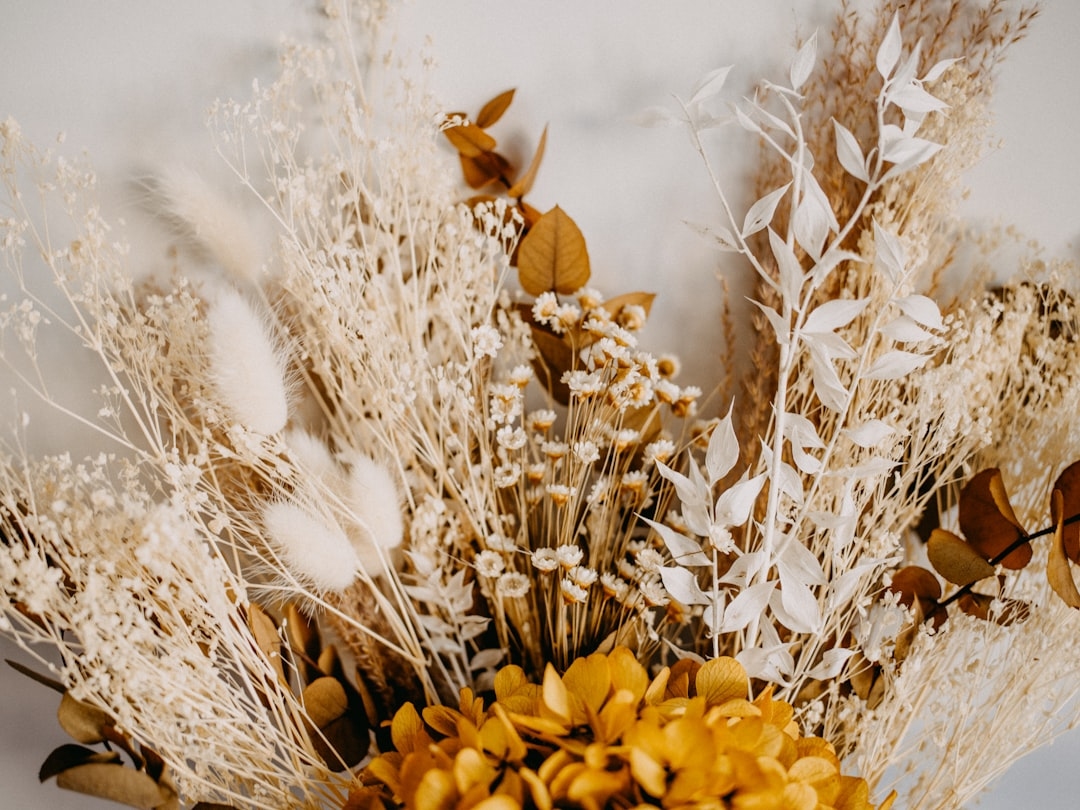
- Dried and Preserved Stems: Low maintenance, still provide color and texture–last up to six months.
How to Use Flowers for Better Mornings: Practical Tips
Building Your Own Routine
A weekly bouquet isn’t the only way to benefit. Here are smart, actionable ways to integrate the Harvard findings into your life:
- Place flowers where you start your day. Bedrooms, kitchen counters, or even bathroom vanities.
- Pick cheerful, robust stems. Think sunflowers, tulips, or alstroemeria. These last longer and maximize the “lift.”
- Combine with a morning ritual. Pair flowers with journaling, stretching, or a healthy breakfast.
- Order early or schedule recurring deliveries. Many services across the US let you time deliveries for Sunday or Monday mornings.
- Try single-stem vases in small spaces. A single hydrangea or peony in a bud vase brightens any bedside.
Pull-Quote
“A flower on your nightstand is worth more than ten affirmations on your phone screen.”
– Kelly Corwin, AIFD
Flower Care for the Busiest Schedules
- Change water every other day to keep stems fresh.
- Trim stems by ½ inch at angle each time you change water.
- Use the packet of plant food provided (most major US florists include one).
- Keep away from direct sun or heat vents to avoid wilting.
Frequently Asked Questions
How do flowers improve morning mood, according to Harvard?
Fresh flowers trigger positive emotions by stimulating the brain’s reward centers. The Harvard study found that people exposed to flowers upon waking felt more optimistic and less anxious throughout the day, mainly due to increased serotonin and dopamine levels.
Which flowers have the biggest impact on mood?
Bright, bold flowers like sunflowers, tulips, and daisies are shown to have the strongest effect, thanks to their vibrant colors and long vase life. Scents matter too–lightly fragrant blooms like lilies and peonies add an extra boost.
Is it expensive to keep fresh flowers at home every week in the US?
A basic weekly bouquet from US delivery services ranges from $35 to $70. Petal subscriptions offer savings, and DIY arranging kits are available for $30-$45/month, making it increasingly affordable.
Do houseplants offer the same mood benefits as cut flowers?
Houseplants improve air quality and provide long-term visual comfort, but the Harvard study specifically measured a mood boost from the freshness, colors, and ritual of changing out flowers–a unique effect not fully matched by potted plants.
Where should I place flowers for the most impact in the morning?
The Harvard study and florists agree: Put flowers where you’ll see them first thing–kitchen countertops, bedside tables, or breakfast nooks. The initial sighting after waking up is key for mood improvement.
Wake Up Happier: Start Your Own Floral Ritual
Add a bouquet to your breakfast nook, arrange a handful of tulips on your nightstand, or set a single daisy next to your alarm clock. If you want mornings that feel energized and positive–not just a rush to the next thing–flowers aren’t just decoration. They’re a research-backed tool for emotional health. Try a two-week experiment in line with the Harvard study, and see how much brighter the start of your day can be. Want to make it a habit? Set a reminder to refresh your flowers next Sunday.
Your own morning mood lift is as close as your local florist–or your front door.

Related Posts
Dried bouquet brands worth the splurge
The case for buying American-grown flowers