What flowers mean across different cultures
Contents:
- Quick Answer: How Do Flower Meanings Differ Across Cultures?
- The Language of Flowers: Universal Roots, Local Interpretations
- Floriography and Its Global Adaptations
- Flowers and Celebrations: Weddings, Funerals, and Everyday Gifting
- Weddings: Love That Speaks a Thousand Petals
- Funerals: Comfort or Catastrophe
- Everyday Gifting Differences
- Iconic Flowers and Their Surprising Contrasts
- Regional Traditions: Flowers in Key Cultures
- United States
- East Asia
- Europe
- Middle East
- How Florists Navigate Cross-Cultural Flower Gifting
- The Risks of Getting it Wrong
- Pro Tips for International Gifting
- Trends in Symbolic Floristry (2026 and Beyond)
- Frequently Asked Questions
- What flower should I avoid sending to someone in France?
- Why are white lilies associated with funerals in the US?
- Are red roses always a romantic gesture?
- What’s a safe “universal” flower to gift internationally?
- How can I find out what a flower means in another culture?
- Forward: Choosing Flowers with Meaning (and Confidence)
What Flowers Mean Across Different Cultures
Snapdragons mean strength, but in Italy, they’re protection against gossip. Red roses land in love letters across America but send a drastically different message in Iran. Wandering the world of floristry reveals a patchwork of symbolism–ancient, surprising, and sometimes, hilariously at odds. Ask any florist in Manhattan’s flower district: cultural meaning matters, especially if you want your bouquet to say “thank you” and not “I’m sorry for your loss.”
Quick Answer: How Do Flower Meanings Differ Across Cultures?
Flower meanings shift dramatically from culture to culture. For example:
- Chrysanthemums mean respect in the US, but they’re reserved for funerals in France and Italy.
- White lilies signify innocence in the US, but are a mourning symbol in China.
- Red roses mean romance in the West, but can represent martyrdom in some Middle Eastern countries.
Understanding flower symbolism is essential for thoughtful gifting, international deliveries, or cross-cultural events.
The Language of Flowers: Universal Roots, Local Interpretations
Floriography and Its Global Adaptations
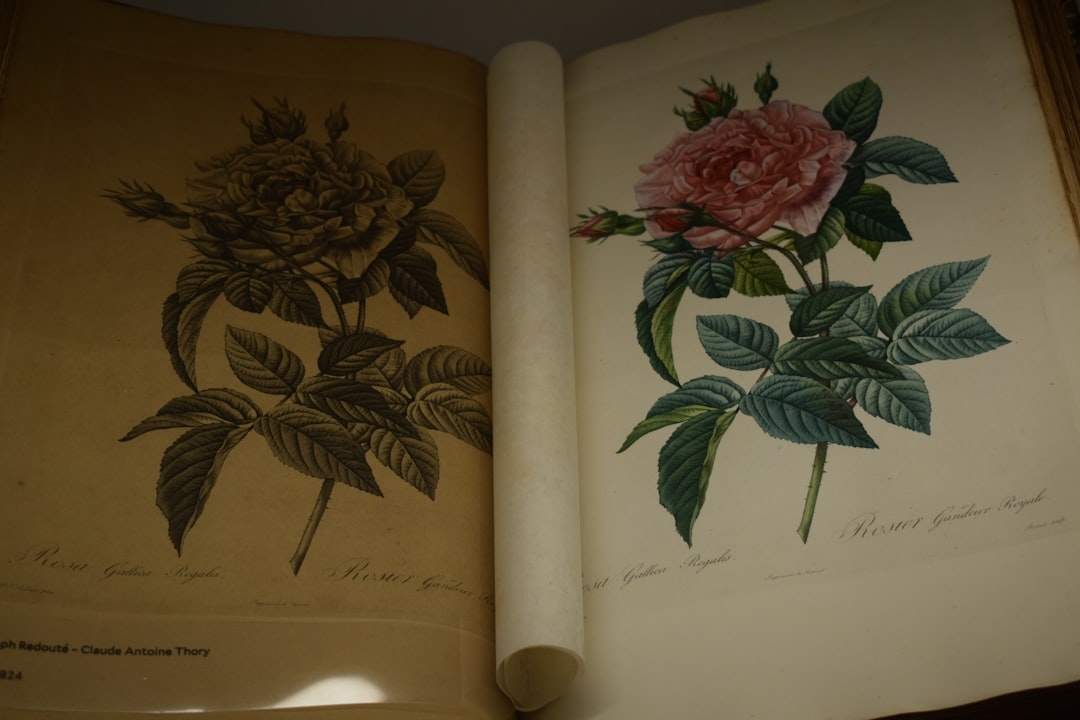
Floriography–the secret “language of flowers”–sprouted in Victorian England, but its roots stretch across continents. In the early 1800s, the first “flower dictionaries” let lovers send secret messages, assigning meanings to everything from primrose (young love) to gardenia (secret admiration). But each region reinterpreted these codes:
In the US, floriography lives on in Valentine’s Day bouquets and Mother’s Day arrangements. According to Helen Toft, lead floral designer at Brooklyn Blooms and certified horticulturist (AIFD), “About 67% of American clients lean on traditional meanings when choosing flowers for special occasions.”
Internationally, the same bloom can cause confusion–or even offense. For example, sending yellow flowers in Germany can suggest jealousy, while in Japan, yellow stands for courage.
Flowers and Celebrations: Weddings, Funerals, and Everyday Gifting
Weddings: Love That Speaks a Thousand Petals
No wedding is complete without flowers, but the meaning behind those flowers changes worldwide:
- US: White roses and peonies are favorites for symbolizing pure love and prosperity.
- India: Marigolds are draped over couples for luck, fertility, and protection from evil spirits.
- Russia: Odd numbers of flowers go in wedding bouquets (even numbers are for funerals).
“I once saw a Russian bride panic when her US-based cousin handed her a dozen roses,” shares Anna Petrov, wedding floristry specialist. “She had to pull out a bloom before the ceremony could start!”
Funerals: Comfort or Catastrophe
Americans often choose lilies or carnations for condolences; lilies mean the soul has returned to innocence. But:
- China: White chrysanthemums are common at funerals, not for birthdays or weddings.
- Italy: Any hint of yellow or white chrysanthemums signals mourning.
Everyday Gifting Differences
- In the US, bright flowers (sunflowers, tulips) are common for birthdays.
- In Korea, gifting red roses to a friend can be confusing–it’s reserved for romance.
- In Egypt, jasmine is a delicate compliment; in France, it rarely leaves perfume bottles.
Iconic Flowers and Their Surprising Contrasts
A single flower can carry wildly different baggage depending on the address–and context.
| Flower | United States | Japan | France/Italy | Middle East |
|---|---|---|---|---|
| Chrysanthemum | Respect, honor | Imperial family, festival | Death, mourning | Varies |
| Red Rose | Romantic love | Love, but not for elders | Passion | Martyrdom, courage |
| Lily | Purity, condolences | Purity, summer festivals | Condolences | Fertility, renewal |
| Marigold | Vibrancy, celebration | Not common | Funeral flower | Worship, healing |
| Lotus | Spiritual awakening | Enlightenment, purity | Rare, exotic | Beauty, rebirth |
| Peony | Romance, wealth | Good fortune, honor | Happy marriage | Prosperity, honor |
Regional Traditions: Flowers in Key Cultures
United States
- White roses dominate sympathy bouquets and bridal arrangements.
- Blue hydrangeas are trending for events, partly due to their unique color and popularity on US social media (Instagram’s #bluehydrangea hit 500k posts in 2026).
East Asia
- Japan: Cherry blossoms (sakura) embody renewal and the beauty of impermanence. During hanami, millions picnic beneath blooms, making it one of the world’s largest flower festivals.
- China: Peonies are the “king of flowers,” symbolizing wealth and feminine beauty. Chrysanthemums are reserved for ancestor veneration.
Europe
- United Kingdom: Poppies worn in November commemorate veterans; white lilies signify purity.
- France: Muguet (lily of the valley) is given on May 1 for good luck; red carnations are for retirement, not romance.
Middle East
- Iran: Red tulips recall martyrs and the sacrifices of war.
- Turkey: The tulip is a national symbol of perfection and abundance. Floral motifs are everywhere–from Turkish rugs to coffee cups.
How Florists Navigate Cross-Cultural Flower Gifting
The Risks of Getting it Wrong
US-based flower delivery companies like UrbanStems and 1-800-Flowers now train staff on cross-cultural etiquette. Why? In 2026, the global floral gifting market topped $54 billion (IBISWorld), with international orders making up 18%–and missteps can strain relationships or business deals.
Linda Phan, senior account manager at UrbanStems, recalls, “We’ve had to swap out lilies for orchids last minute, based on family heritage. A wrong stem can sabotage a happy event.”
Pro Tips for International Gifting
- Double-check recipient’s culture and the occasion.
- Ask the florist about meaningful substitutions.
- When in doubt, opt for mixed bouquets with neutral colors.
Trends in Symbolic Floristry (2026 and Beyond)
- Personalization: US customers request “symbolic” bouquets (birth months, family heritage) 36% more than in 2024, according to BloomsyBox’s annual report.
- Sustainability: Dried flowers (lavender, statice) are in, especially for Asian-American weddings–mixing tradition and eco-friendliness.
- Cross-cultural design: Bi-cultural couples are choosing hybrid bouquets, blending, say, American peonies with Indian marigolds.
“Flowers are more than pretty faces–they’re a bridge across identities,” says Dr. Melissa Eng, PhD, horticultural therapy specialist.
Frequently Asked Questions
What flower should I avoid sending to someone in France?
Chrysanthemums. In France, these flowers are strictly reserved for funerals and cemeteries, symbolizing death and mourning. Sending them for a birthday or romantic occasion would be seen as inappropriate.
Why are white lilies associated with funerals in the US?
White lilies represent purity and the soul’s return to innocence, making them a popular choice for American sympathy arrangements and memorial services.
Are red roses always a romantic gesture?
No. While red roses symbolize romantic love in the US and much of Europe, in some Middle Eastern cultures, they can represent martyrdom, sacrifice, or political statements.
What’s a safe “universal” flower to gift internationally?
Orchids are generally considered safe and symbolize elegance and beauty across many cultures. However, always check for local sensitivities.
How can I find out what a flower means in another culture?
Ask a local florist familiar with international traditions, or consult flower-meaning guides specific to the recipient’s country. Many US flower delivery services, like FTD or ProFlowers, offer expert advice.
Forward: Choosing Flowers with Meaning (and Confidence)
Before you order your next bouquet–whether it’s for a graduation, anniversary, or a cross-border Zoom call–take 60 seconds to check the meanings behind those blooms. If you’re unsure, ask your florist for advice or include a handwritten note explaining your intention. Symbolism travels, but it doesn’t always translate. A thoughtful stem goes further than a generic bunch–especially in a world as interconnected as ours. So, next time you pick petals, let them speak in a language your recipient will understand and cherish.

Related Posts
Dried bouquet brands worth the splurge
The case for buying American-grown flowers